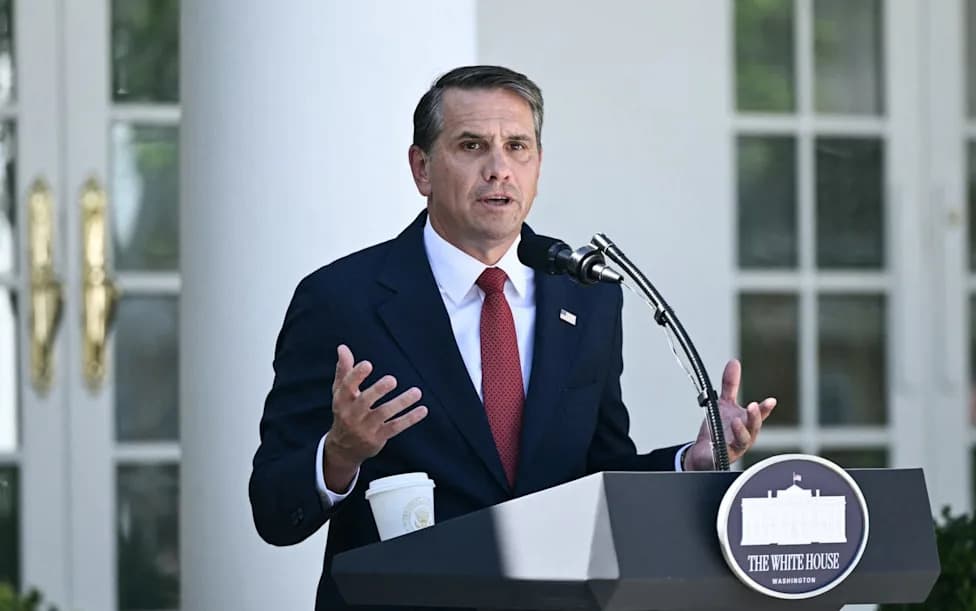
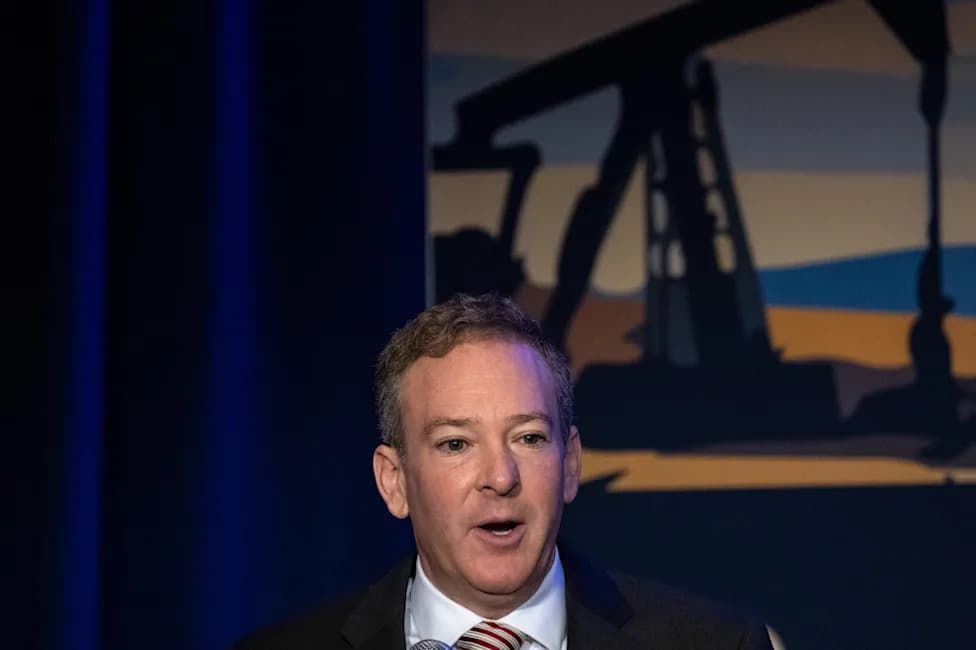
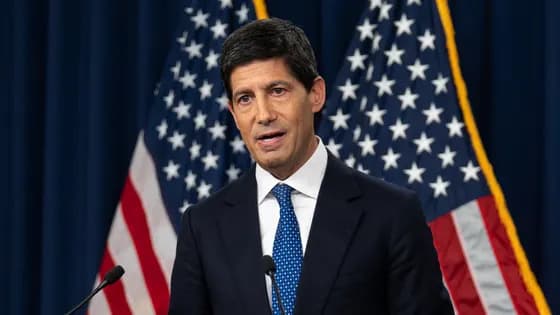
The FDA held a four-hour public hearing in Silver Spring, Maryland, to discuss the clinical implementation of psychedelic drug therapies. Speakers emphasized that long treatment sessions (six to 12 hours) require qualified, continuously present staff, comprehensive screening and structured follow-up with community supports. Witnesses urged disaggregating trial and safety data by hormonal and reproductive factors to avoid masking subgroup differences. Experts also warned that without insurance coverage and fair reimbursement, approved therapies may remain inaccessible to most patients.
FDA Public Hearing in Sept. 2026 Examines Clinical Rollout of Psychedelic Therapies
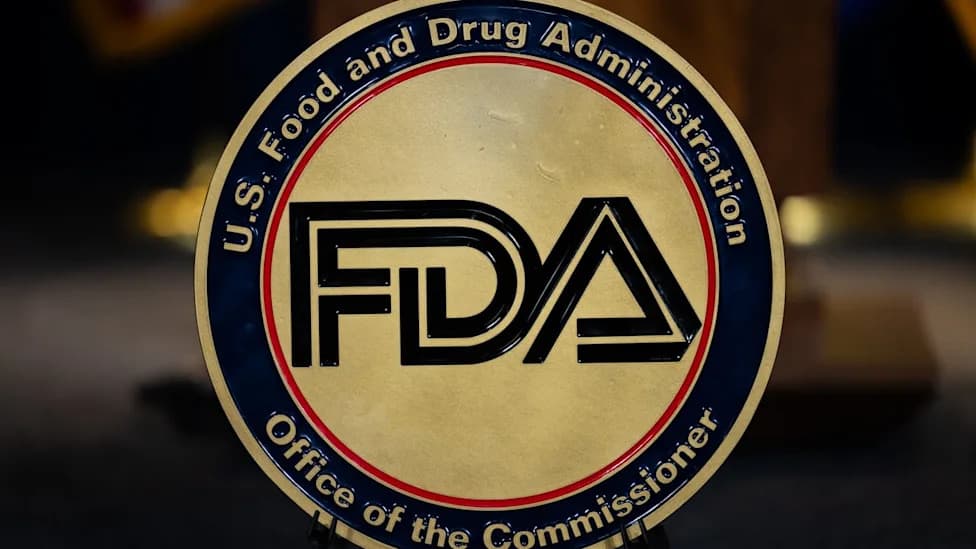
FDA public hearing on psychedelic drug therapies, Sept. 2026
The U.S. Food and Drug Administration convened a four-hour public hearing in September 2026 at its White Oak campus in Silver Spring, Maryland, to examine the practical and safety challenges of bringing psychedelic drug therapies into clinical practice. Testimony came from clinicians, veterans, pharmacists, therapists and patient advocates calling on the agency to define clear safety, training and access standards.
Key Issues Raised
Panelists highlighted a range of implementation questions, including how providers should be trained and credentialed, how patients should be screened and monitored, and how clinics should collect long-term safety and outcomes data. Speakers emphasized that psychedelic treatment sessions—which can last six to 12 hours—require qualified staff on-site for the entire session, rigorous pre-treatment screening and structured post-treatment follow-up and community support, according to Reuters.
Data, Safety And Patient Subgroups
Several witnesses urged researchers to disaggregate trial and real-world data by biological and hormonal factors—such as menstrual cycle phase, pregnancy and postpartum status, perimenopause, hormonal profile and concomitant medication use—warning that averaging outcomes across diverse populations could obscure meaningful differences in efficacy and side effects.
"Important safety and treatment signals should not disappear inside population averages," said Melissa Lavasani, CEO of the Psychedelic Medicine Coalition, during the hearing, as reported by Reuters.
Access, Cost And Reimbursement
Access and cost were recurring concerns. Experts cautioned that without insurance coverage and adequate reimbursement for providers, clinics could either serve only wealthier patients or fail financially, limiting real-world access. "Approval alone is not access. A breakthrough therapy nobody can reach is not a breakthrough — it is a press release," said Lynn Watkins, a U.S. Air Force veteran with the Psychedelics and Pain Association.
Regulatory Context
The hearing follows an April 2026 executive order from President Donald Trump's administration directing the Department of Health and Human Services and the FDA to support advances in psychedelic drug development and regulation, according to Biospace. Days before the meeting, Michael Davis, director of the FDA's Center for Drug Evaluation and Research, and other senior agency officials published a framework for psychedelic drug development and approval in the New England Journal of Medicine, saying the agency was "meeting this moment" for hard-to-treat conditions such as major depressive disorder and post-traumatic stress disorder (PTSD).
The American Psychiatric Association reiterated that the FDA's determination of safety and effectiveness must remain the foundation for any future clinical use. The FDA said written comments on the hearing can be submitted to the Federal Register through October 5, 2026.
Help us improve.