The administration’s plan to build a new class of nuclear-powered battleships (35,000+ tons) and revert carriers to steam catapults would cost roughly $275 billion from 2027–2056, according to the CBO. The first ship could cost about $23 billion, with an average near $18 billion per hull, and annual surface-combatant procurement would jump from $11B to $19B. Critics warn that large, high-value ships are increasingly vulnerable to cheap drones, long-range missiles and unmanned craft, and that carrier retrofits to steam catapults would add billions more.
Planned Battleships Come With a $275B Price Tag — And Big Strategic Questions
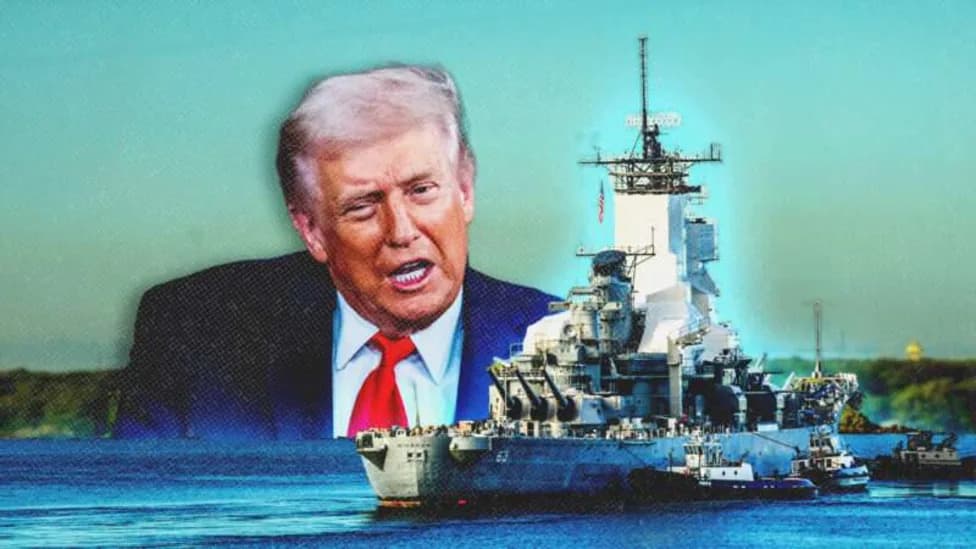
Illustration: U.S. Navy Mass Communication Specialist 2nd Mark Logico/Wikimedia Commons/Michael Brochstein/ZUMAPRESS/Newscom
With control of the Strait of Hormuz a flashpoint in U.S. tensions with Iran, naval power is again in the spotlight. The Trump administration has proposed a sweeping plan to rebuild parts of the U.S. surface fleet — including a new class of large, nuclear-powered battleships and a return to steam catapults on aircraft carriers — but the proposal carries enormous costs and sharp strategic debates.
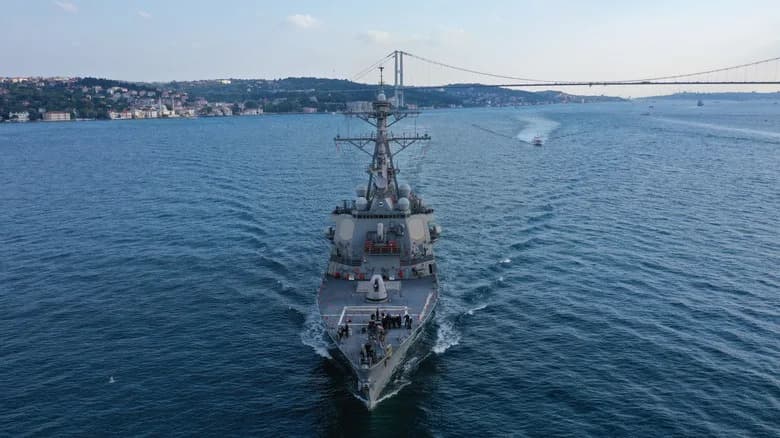
What’s being proposed. In December, administration officials announced an intent to design and build a new class of American battleships described as "the most lethal surface combatant ever constructed." Technical reporting from the U.S. Naval Institute indicates the ships would displace more than 35,000 tons and could be armed with cruise missiles, 5-inch guns, experimental railguns and potentially directed-energy weapons. The lead hull has been referred to as USS Defiant.
How much it would cost. The Congressional Budget Office (CBO) estimates the program would cost roughly $275 billion (in 2026 dollars) from 2027–2056. The first ship could cost about $23 billion, and the CBO projects an average cost of slightly more than $18 billion per ship for an initial buy of 15 hulls. Annual procurement for surface combatants would rise from around $11 billion to about $19 billion, a significant jump that the CBO warns could strain the shipbuilding industrial base.
Strategic and technological objections. Many analysts question whether very large surface combatants are the right investment for modern naval warfare. As observers have noted, a "threat web" of satellites, long-range missiles, aerial drones and unmanned surface vessels increases the risk that expensive, crewed hulls could be overwhelmed by cheaper systems or forced to expend costly defensive munitions. Ukraine’s experience against parts of Russia’s Black Sea fleet is frequently cited as an example of how shore-launched missiles and drones can inflict disproportionate damage.
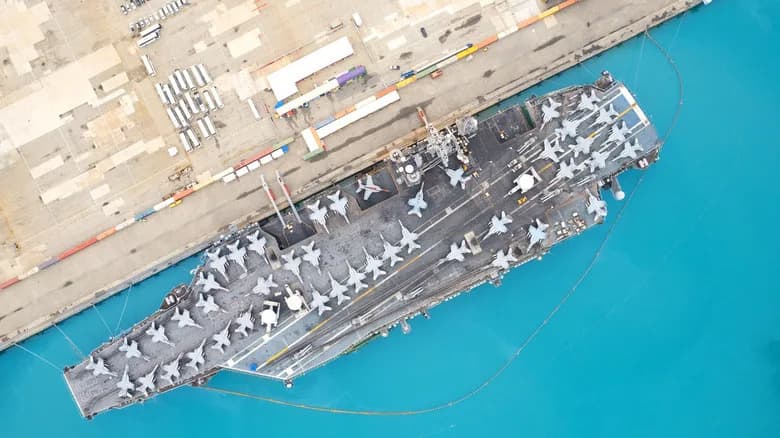
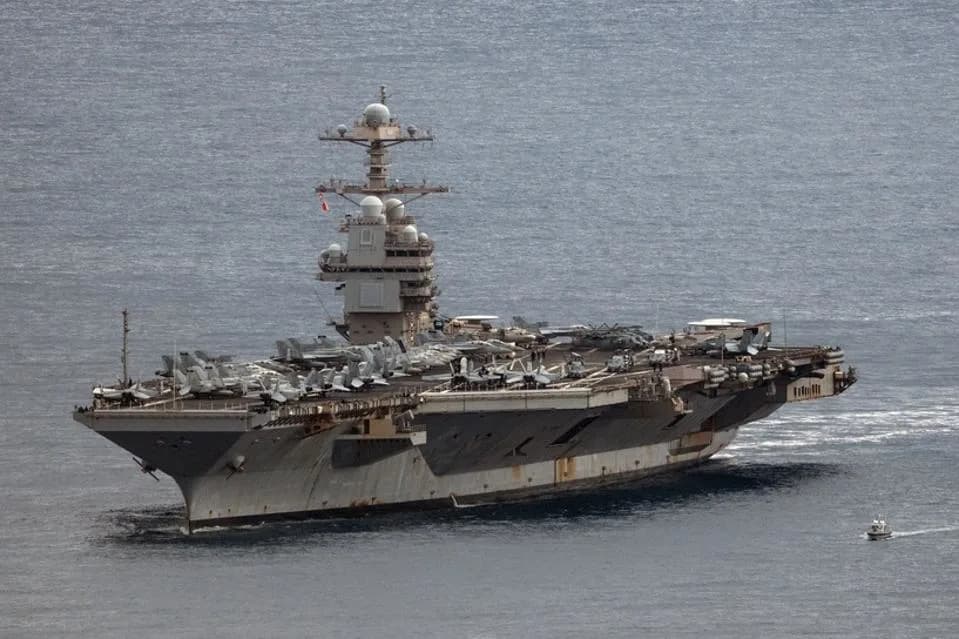
Another controversial proposal would replace Electromagnetic Aircraft Launch Systems (EMALS) on newer carriers with legacy steam catapults. Reverting to steam would require significant redesign and retrofitting because Ford-class carriers were built without the steam piping steam catapults need. Reporters and Navy analysts warn that this change could add billions in costs, increase manpower and maintenance burdens, and slow carrier operations.
Wider questions about mission and affordability. The debate touches on a larger strategic question: should the U.S. continue to field a globally deployed, blue-water navy optimized for power projection and global maritime policing, or should it prioritize a force more narrowly focused on homeland and regional defense? That question is made more acute by fiscal realities: U.S. federal debt has surpassed $40 trillion, and raising annual shipbuilding budgets as projected would require difficult trade-offs.
Bottom line. The proposed battleship program offers headline-grabbing capabilities and technological nostalgia, but it also brings steep costs and risks of rapid obsolescence in the face of cheap, proliferating threats. Policymakers will need to weigh prestige and capability against affordability, industrial capacity and evolving concepts of naval warfare.
Sources: Congressional Budget Office, U.S. Naval Institute reporting, Associated Press coverage and defense analysts' commentary.
Help us improve.