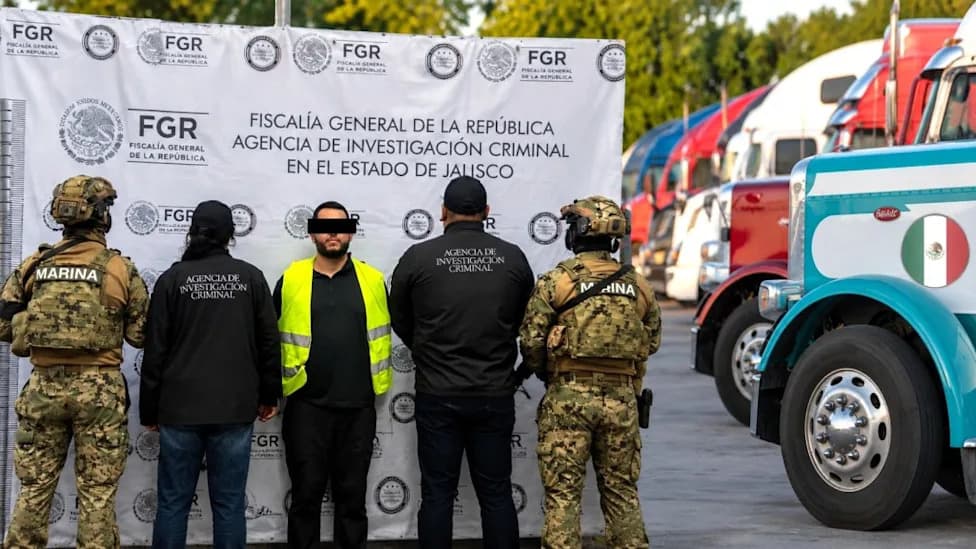
Mohammad Sharifullah, 28, was sentenced to 20 years in a Virginia federal court after a jury convicted him of providing material support to the Islamic State affiliate ISIS-K. Prosecutors say he scouted a route to Hamid Karzai International Airport and reported it clear before the Aug. 26, 2021, Abbey Gate suicide bombing that killed 13 U.S. service members and about 160 Afghan civilians. Jurors convicted him of material support but did not unanimously find he was legally responsible for the deaths, a determination that would have exposed him to a potential life sentence. Families of victims delivered emotional impact statements during sentencing, while defense attorneys stressed the government failed to prove his direct role in the bombing beyond statements he made while detained.
ISIS-K Operative Mohammad Sharifullah Sentenced to 20 Years in Case Linked to 2021 Kabul Abbey Gate Bombing
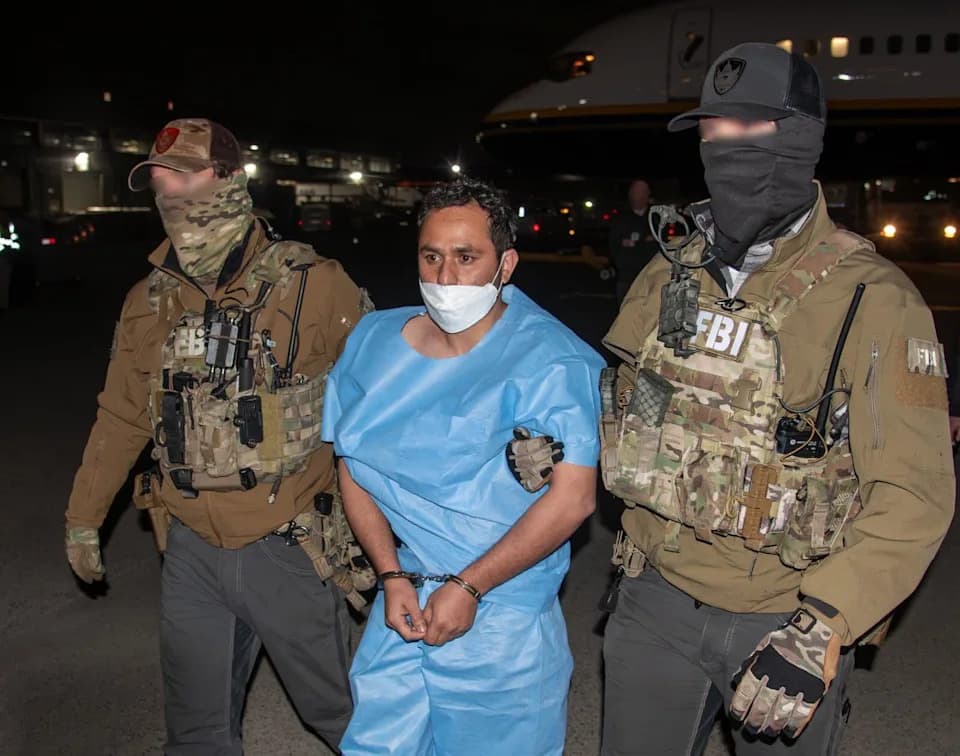
A federal court in Virginia on Wednesday sentenced 28-year-old Mohammad Sharifullah to 20 years in prison after a jury convicted him of providing material support to the Islamic State affiliate known as ISIS-K. Prosecutors tied his conviction to a broader campaign of violence that included the Aug. 26, 2021, suicide bombing at Hamid Karzai International Airport in Kabul — an attack that killed 13 U.S. service members and about 160 Afghan civilians.
Conviction and Sentence
Sharifullah was convicted in April on a single count of providing material support to ISIS-K. Jurors, however, were unable to reach a unanimous finding on whether his conduct legally resulted in the deaths at the Abbey Gate bombing; had they done so, he could have faced a potential life sentence. The judge imposed the maximum penalty for the one-count international terrorism conviction.
Allegations and Evidence
Prosecutors said Sharifullah scouted a route to the Kabul airport and reported to ISIS-K leadership that the route was clear of Taliban checkpoints. Hours later, an ISIS-K operative identified by authorities as Abdul Rahman al-Logari detonated a suicide device near Abbey Gate during an evacuation operation. The Justice Department also alleged Sharifullah aided or supported other attacks over nearly a decade, including a March 2024 assault on a Moscow concert hall and a 2016 suicide bombing targeting security guards at the Canadian embassy in Kabul.
Defense Arguments
Defense attorneys argued at trial and in sentencing filings that Sharifullah was not an ISIS-K leader and that prosecutors failed to present direct evidence linking him to the Abbey Gate attack beyond statements he made during lengthy FBI questioning while in Pakistani custody. They suggested those statements may have been coerced or provided out of fear of mistreatment and stressed that the jury did not unanimously find he was legally responsible for the deaths.
Capture and Extradition
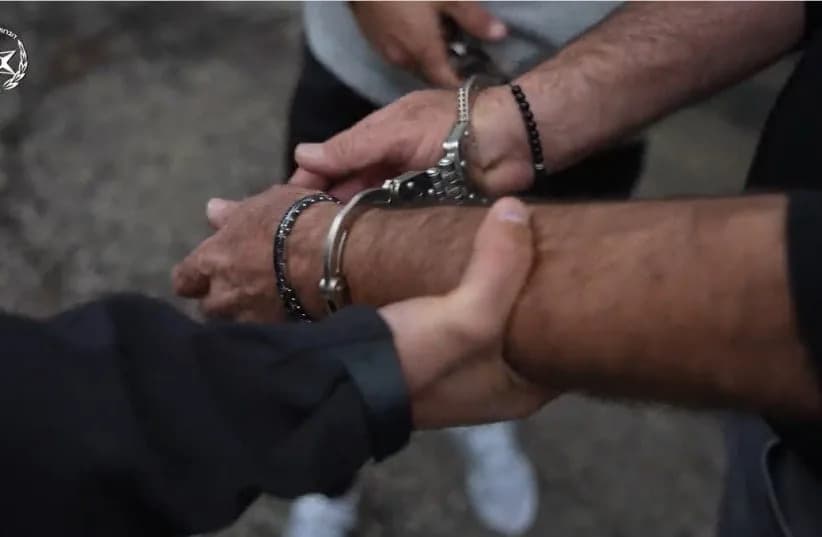
Authorities said Sharifullah was captured in early 2025 by Pakistani intelligence and the CIA near the Pakistan–Afghanistan border and later extradited to the United States. The case was noted publicly last year during a speech to a joint session of Congress.
Victim Impact
At sentencing, U.S. District Judge Anthony Trenga described the defendant as a "dedicated terrorist" and said he showed no remorse for the suffering caused. Several family members of the U.S. service members killed at Abbey Gate delivered emotional statements to the court, describing the deep and lasting impact of the attack on their families.
"They may have taken his life, but they'll never take his legacy," said Mark Schmitz of Missouri about his son, Marine Lance Cpl. Jared Schmitz. "A bomb killed my son. It did not kill what he stood for."
"No justice will ever be enough to mend my broken heart," said Paula Knauss-Selph, whose son, Army Staff Sgt. Ryan Knauss, was killed at Abbey Gate.
Remaining Legal Context
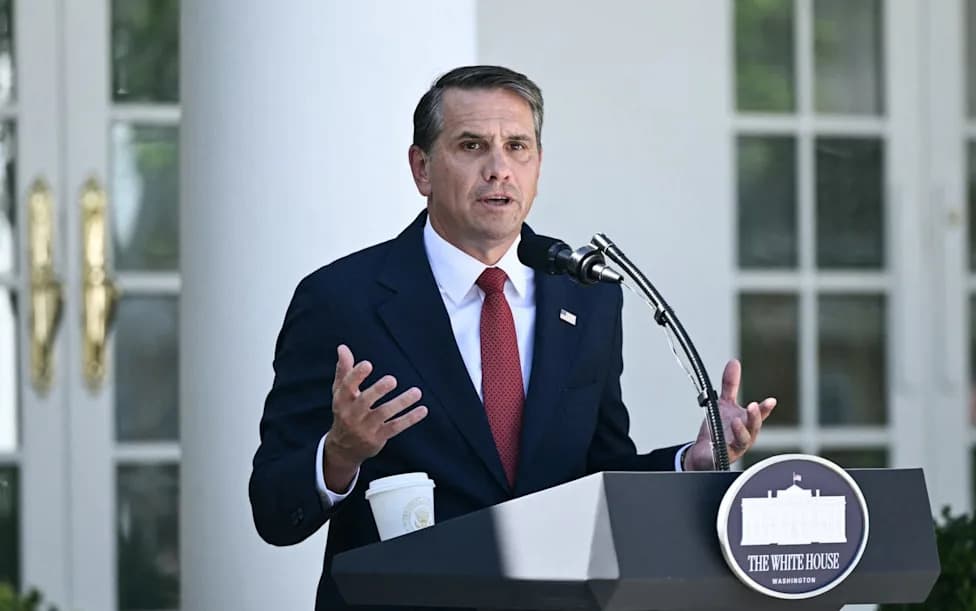
Assistant Attorney General for National Security John Eisenberg said Sharifullah "spent nearly a decade at the heart of a horrific campaign of terror," providing support for attacks against civilians. The jury's partial verdict — conviction on material support but no unanimous finding on causation of deaths — leaves a distinction between criminal support for a terrorist organization and a specific legal link to particular deaths, a distinction the defense emphasized throughout the proceedings.
Help us improve.