The FBI's Epstein files release included FOIA disclosures showing Director Kash Patel urged public affairs staff to target a crude anonymous X account that mocked him. Assistant Director Ben Williamson refused, noting the account was part of a conspiratorial bot ecosystem and that Patel had misread a 277,000 "views" figure as replies. The exchange highlights gaps in the FBI's social-media engagement policy and has prompted calls for possible congressional or inspector-general review.
Texts Show FBI Director Pressed Staff To Target Troll During Epstein Files Release

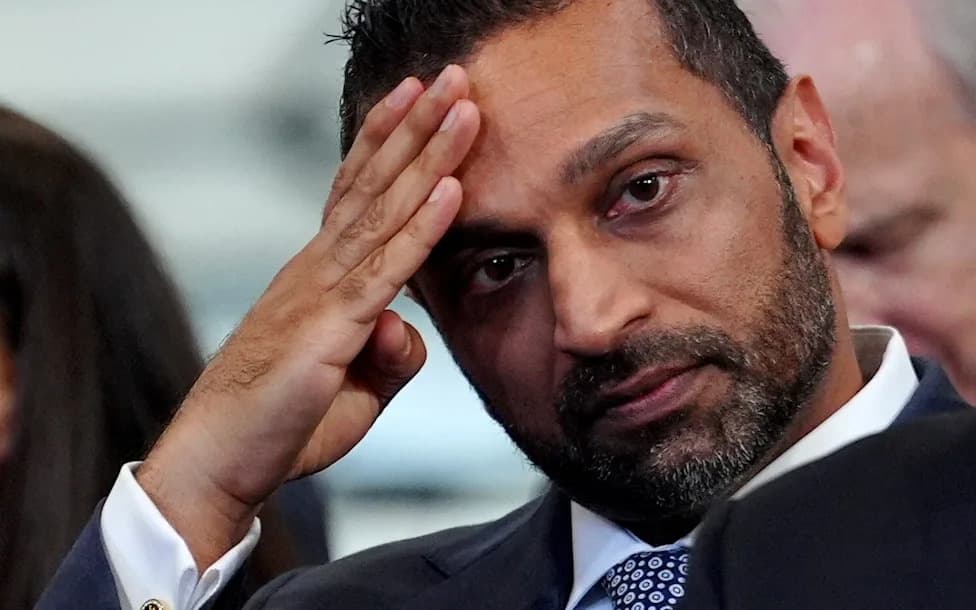
Image: Wikimedia Commons - Kash Patel
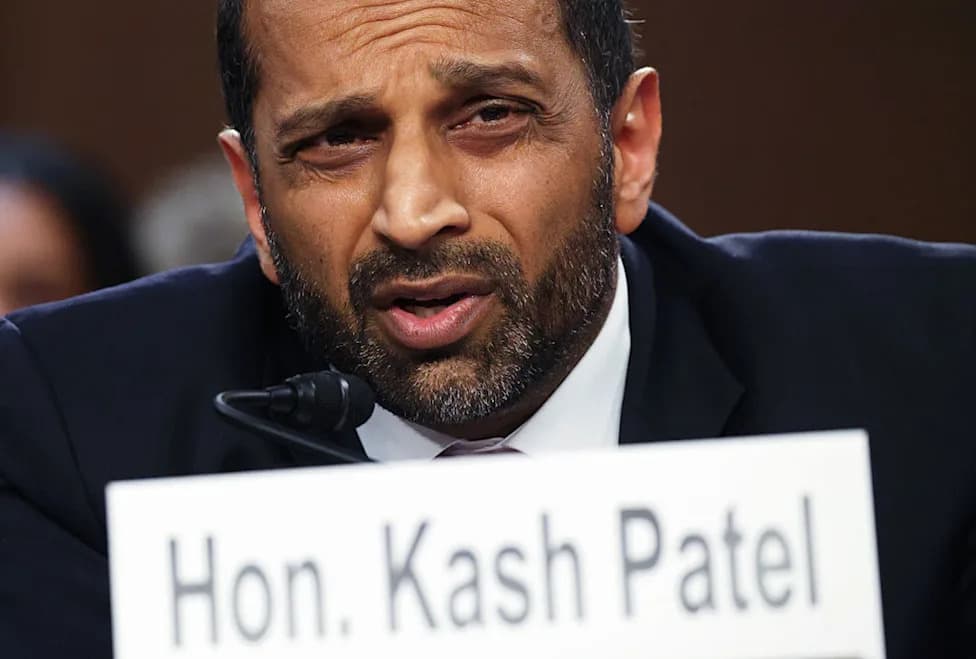
FOIA-released texts included in the FBI's Epstein files disclosure show Director Kash Patel urging the bureau's public affairs office to engage a crude anonymous X account that had mocked his official portrait — rather than focusing on broader, substantive communications about the document release.
What The Messages Reveal
On February 5, 2026, Patel messaged Ben Williamson, the FBI's Assistant Director for Public Affairs, asking staff to find accounts posting critical content and to "post the FBI's record year results back at them all, continuously." The exchange — released under the Freedom of Information Act and cited in media reports — centers on an X handle that posted Patel's portrait with a derogatory caption. Williamson declined, responding, "We're not responding to 'ifindr*tards.' That would look bad on you."
Misread Metrics And A Question Of Priorities
Patel justified engaging the account by citing a figure of 277,000, asserting that "277k responses are not bots." Williamson corrected him: the number represented views, not replies — the post had roughly 400 replies, and a truly viral post would usually produce several times that many responses. Patel insisted the views alone justified counter-messaging, saying, "It's not about them, it is about the number of views, because people see it and need to be seeing our stats."
Why it matters: A director shaping communications strategy based on a misread metric risks diverting institutional resources toward personal reputation management rather than public information needs.
Context: Conspiracy-Focused Accounts And The Epstein Release
Williamson described the @IfindRetards handle as part of a conspiratorial "Epstein didn't kill himself" bot ecosystem that had grown around the release. The bureau was facing a large public-communications task: answering legitimate questions about the files, clarifying the FBI's record, and countering misinformation. The texts suggest leadership attention shifted to a single offensive troll post instead.
Policy Gaps And Suggested Fixes
The episode exposes a broader structural issue: the FBI does not appear to have publicly detailed, specific guidelines for when or how its social accounts should engage hostile or conspiratorial content. In the absence of clear policy, engagement decisions can be made ad hoc or driven by individual instincts. Clear internal rules distinguishing legitimate public criticism from trolling that does not merit a response would give communications staff a written standard to follow and reduce the need for on-the-spot judgment calls.
Williamson's refusal demonstrates appropriate professional judgment. But the records also make a case for external review — by Congress or an inspector general — of the bureau's social-media practices to ensure public-resources are used for public information rather than personal reputation management.
Transparency And Next Steps
These texts were disclosed because FOIA functioned as intended. The more consequential question is whether the FBI will use the exposure to revisit and clarify its social-media engagement standards, or simply ride out the news cycle.
Sources: FOIA-released FBI texts; contemporaneous reporting in Mediaite and The New Republic.
Help us improve.