West Yorkshire fire bosses are calling for urgent government support as moorland wildfires increase in number and scale. The NFCC reports over 1,000 wildfire incidents across England and Wales for the second consecutive year. Local leaders say the service has adapted with specialist crews and lighter PPE but remains stretched and needs additional funding. Ministers and land managers are exploring coordinated measures — from peat re-wetting and tree planting to prescribed burns — to reduce fuel loading and curb future fires.
Moorland Fires Surge: West Yorkshire Chief Urges More Government Funding and Coordinated Action
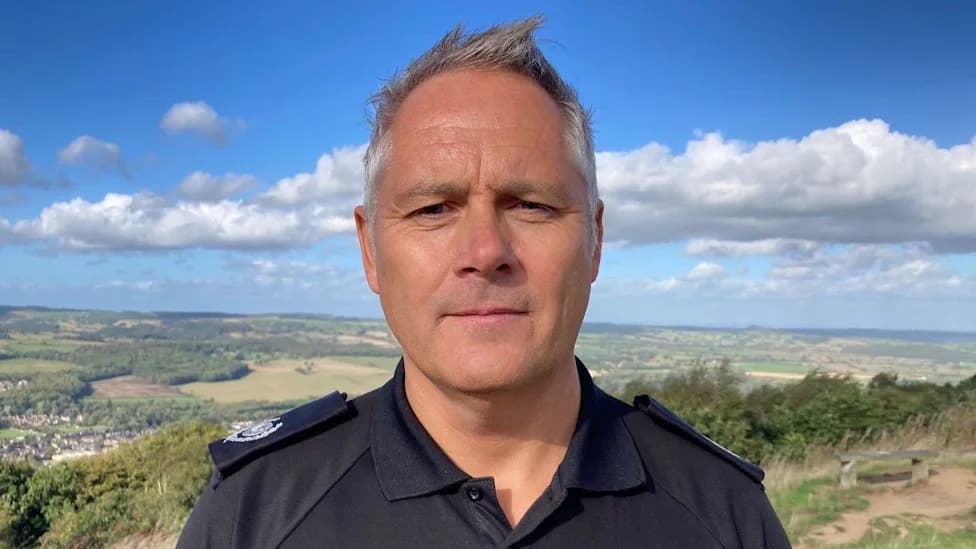
Lee Miller is Leeds District Commander for West Yorkshire Fire & Rescue Service [BBC]
A senior fire commander has added his voice to calls for greater government investment and a coordinated strategy to tackle a rising threat from moorland wildfires across West Yorkshire and beyond.
Fire Service Strained As Incidents Rise
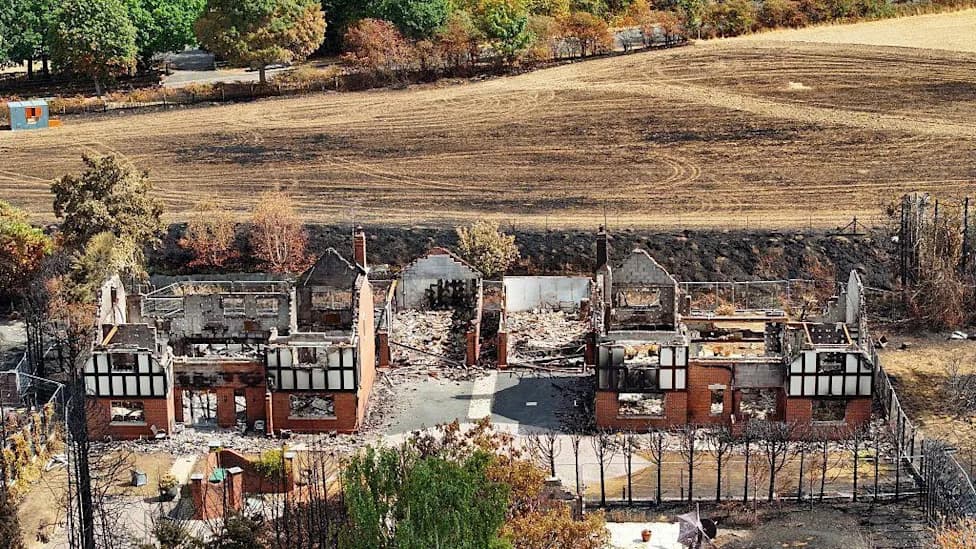
Lee Miller, a district commander with West Yorkshire Fire & Rescue Service, said this year had been one of the busiest of his 28-year career. Crews tackled their first moor blaze of the season on Marsden Moor near Huddersfield in April, with further incidents over the summer near Silsden and Baildon (Bradford) and East Ardsley beside the M1 in Leeds.
According to the National Fire Chiefs Council (NFCC), wildfire incidents across England and Wales topped 1,000 for the second year in a row, a figure that highlights the growing scale of the problem.
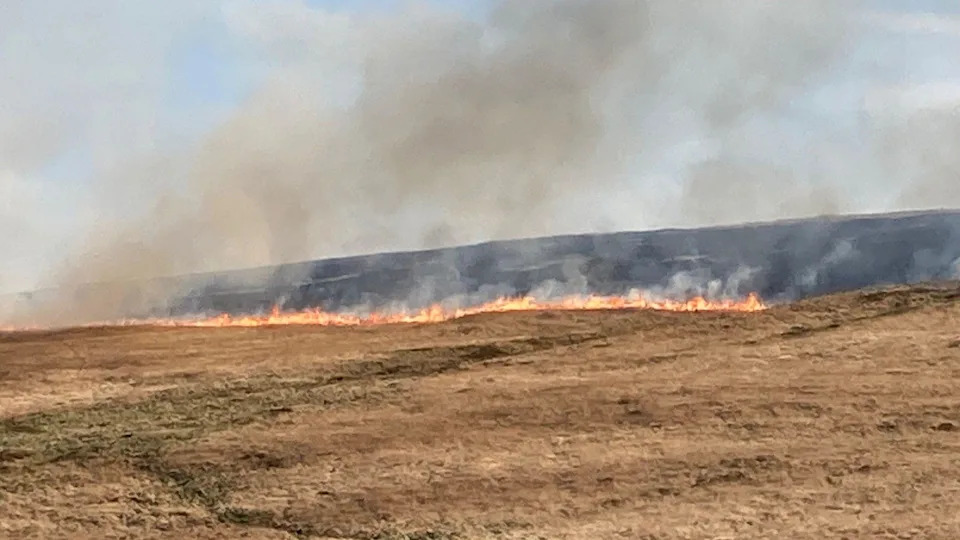
A line of flames from a moor fire on Mount Road in Marsden back in April [BBC]
Calls For Funding And Specialist Resources
"I've been in the service 28 years and dealt with probably handfuls of wildfires in previous years. Since 2019 onwards we started to see wildfires occurring in much greater numbers, with larger areas being affected much more frequently due to the climate change," said Miller.
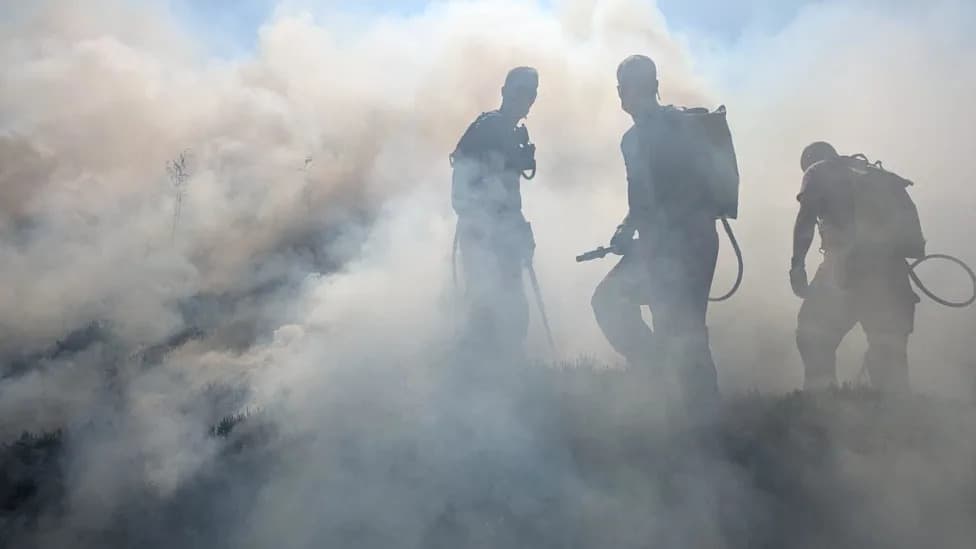
Miller said West Yorkshire Fire & Rescue has adapted by using lighter personal protective equipment (PPE), specialist crews and tailored equipment for moorland conditions. Still, he stressed that firefighters are stretched and that additional investment would help provide extra resources for prolonged, large-scale incidents.
Land Management And Policy Responses
Katie White, the Leeds North West MP recently appointed as climate minister in the new cabinet, has highlighted the need for coordinated land and firefighting responses and is reportedly considering convening a wildfire summit to bring stakeholders together.
"We are looking at how to make sure that we support the land so that there's less likely spread — whether around peat restoration or wetting. There are lots of different techniques. Then working with our incredible firefighters so that when we do have those fires they have all of the tools necessary to try to curtail the spread of those wildfires," White said.
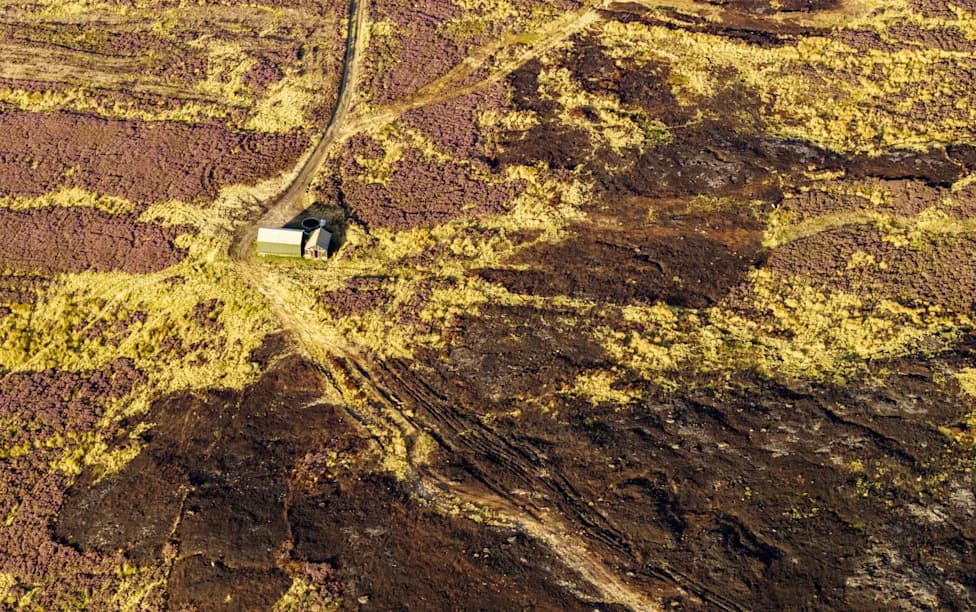
Organisations such as the National Trust are pursuing long-term measures including re-wetting degraded peat using sphagnum moss, tree planting and constructing leaky dams to retain water. Other land managers recommend reducing surface vegetation — the "fuel load" — with controlled or prescribed burning during cooler, wetter months, alongside cutting and managed grazing to create fire breaks.
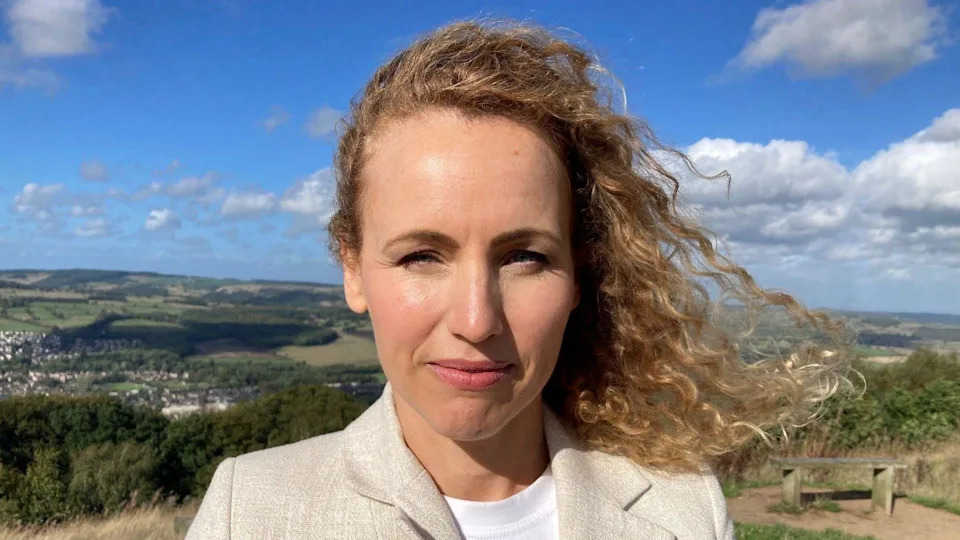
Climate minister and Leeds North West MP Katie White on Otley Chevin [BBC]
Different Tools, Common Goal
Richard Bailey of the Peak District Moorland Group, representing grouse estates and gamekeepers, urged a balanced approach:
"We need to look at using every tool in the toolkit — which includes re-wetting but it can also include prescribed burns and cutting and grazing. All in the appropriate areas."
Causes And Outlook
The NFCC reports that most wildfires are started by people, whether accidentally or deliberately, and that climate change is increasing the frequency and severity of these events. Local leaders and fire services are therefore urging both short-term resourcing and a long-term strategy that combines land management, public awareness, and investment in specialist firefighting capabilities.
What’s needed: targeted government funding, coordinated land management, specialist equipment and training, and public education to reduce ignitions — all aimed at lowering wildfire risk and protecting moorland ecosystems and communities.
Help us improve.