French President Emmanuel Macron will visit Saint-Pierre-and-Miquelon from September 19 to 21 and will be joined on September 20 by Canadian official Mark Carney, in a coordinated gesture underscoring respect for national sovereignty after a map posted by US President Donald Trump overlaid the US flag on neighbouring countries and some French territories. The visit highlights shared democratic values and will also address local climate impacts, including an inland relocation in Miquelon driven by sea-level rise. The trip recalls historical wartime tensions over the islands and precedes Macron's trip to the UN General Assembly in New York.
Macron and Mark Carney to Visit Saint-Pierre-and-Miquelon in Show of Solidarity After Trump's Map Post
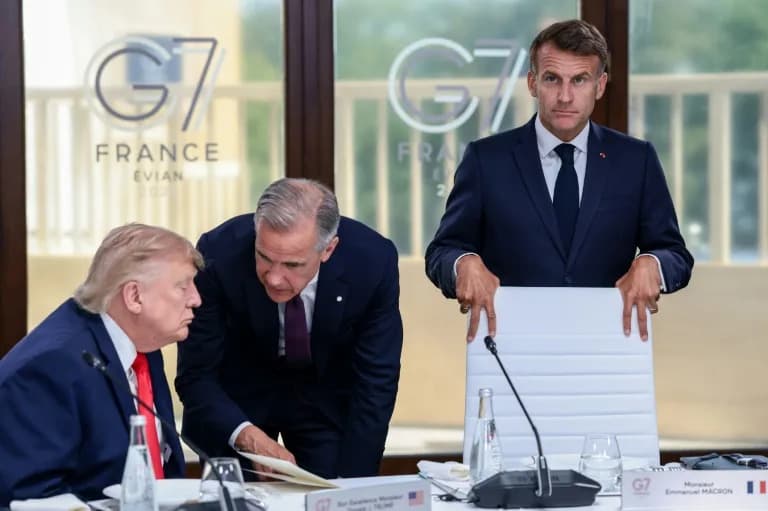
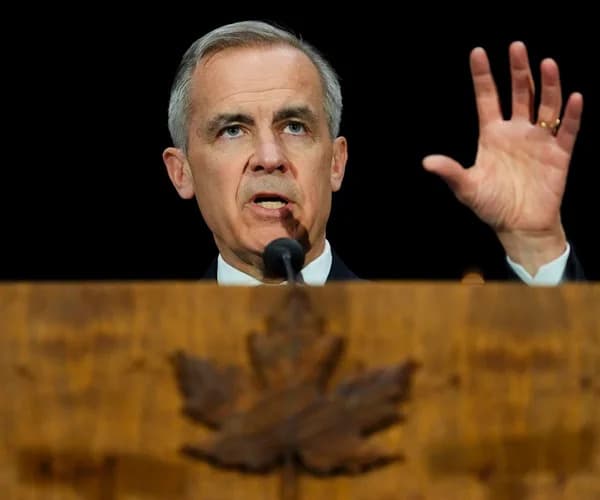
It would be the first official visit by a Canadian prime minister to France's territory of Saint-Pierre-and-Miquelon (Evelyn Hockstein)
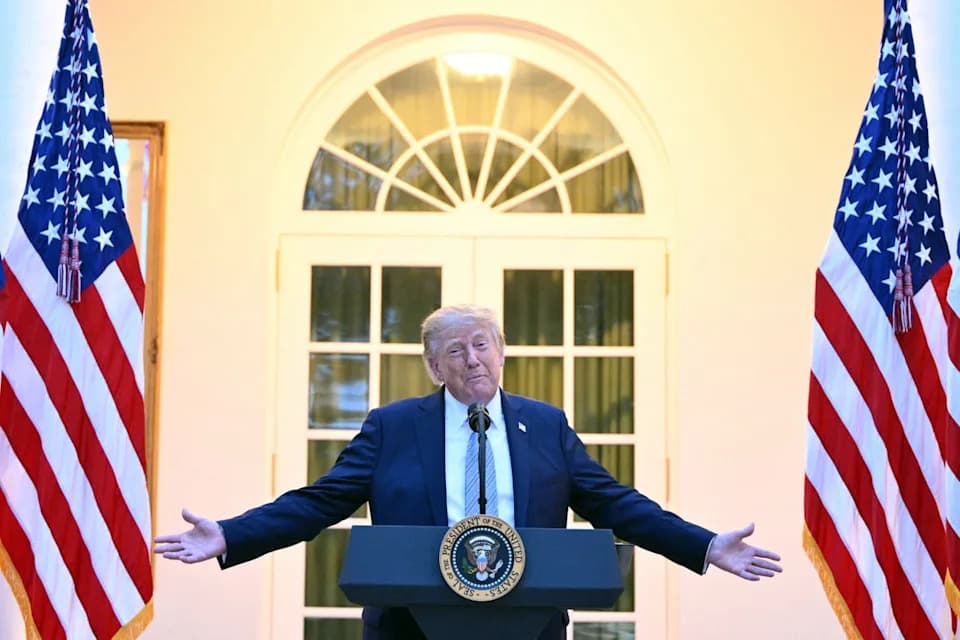
France and Canada will stage a symbolic joint visit next week to the North Atlantic archipelago of Saint-Pierre-and-Miquelon, the Élysée Palace said, signaling support for national borders after a controversial social media map posted by US President Donald Trump.
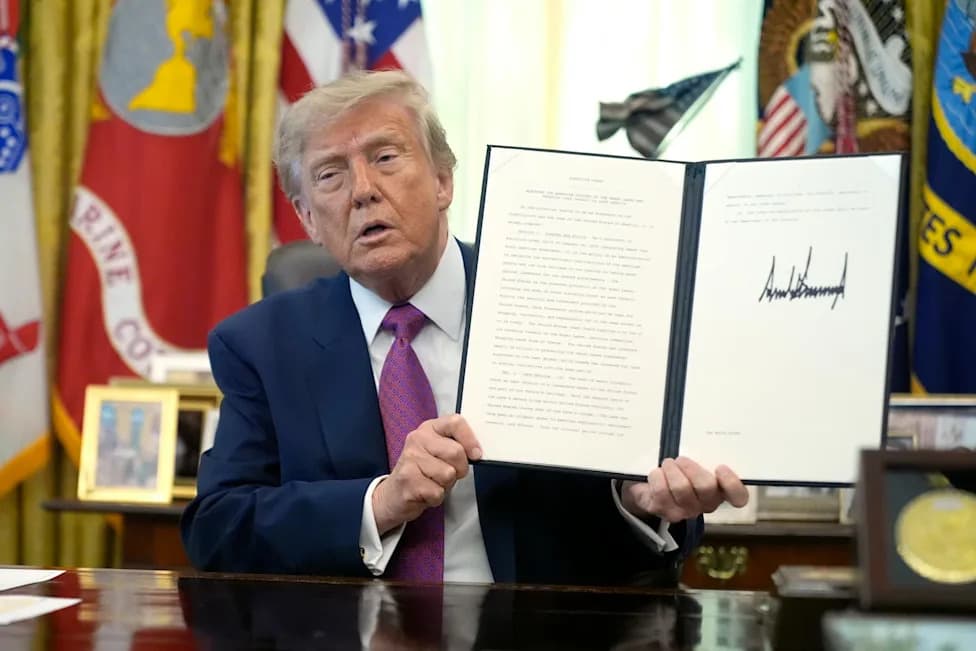
The map shared by Mr. Trump overlaid a US flag across much of North America, covering Canada, Greenland, Mexico, large parts of Central America and the Caribbean, Iceland and several French overseas territories such as Saint-Pierre-and-Miquelon, Guadeloupe and Martinique.
Who is visiting: French President Emmanuel Macron is scheduled to visit the islands from September 19 to 21. He will be joined on September 20 by Canadian official Mark Carney, who was named in announcements accompanying the trip. The Élysée described the visit as a reaffirmation of shared values including freedom, democracy, the rule of law and respect for state sovereignty.
Purpose and Message
“In a world marked by the return of power politics, geopolitical tensions and new forms of dependency, France and Canada share a common ambition: to work together, and with all countries that share these values, to strengthen their capacity to make decisions and act independently,” the Élysée said in a statement.
Local Context and History
The archipelago consists of three main islands about 20 kilometres (12 miles) off Canada’s Atlantic coast and is home to roughly 6,000 people. The islands lie around 4,300 kilometres from metropolitan France and hold strategic and historical significance.
The territory has seen diplomatic friction in the past. During World War II, in 1941, General Charles de Gaulle’s Free French forces seized Saint-Pierre-and-Miquelon from the Vichy authorities, a move that provoked criticism from the administration of US President Franklin D. Roosevelt, which had been seeking to preserve existing arrangements with Marshal Philippe Pétain’s government.
Climate Impact
Macron is also expected to address the local effects of climate change. The village of Miquelon has already begun relocating inland to escape rising sea levels — a relocation widely described as one of France’s first community-level moves driven by climate risks.
The president will visit the islands en route to New York, where he is due to attend the UN General Assembly.
Note: Some early reports misidentified the Canadian delegation lead; this version uses the name provided by official announcements while avoiding incorrect titles.
Help us improve.