Georgia is experiencing longer, more intense allergy seasons as warmer winters, extended growing periods, and higher CO2 levels prompt plants to release pollen earlier and in greater amounts. Nationwide, pollen seasons have expanded by about three weeks and pollen production has increased roughly 20%, causing more days of congestion, itchy eyes, poor sleep, and higher asthma risk. Georgia’s humidity and heavy rains also raise mold exposure, and health experts recommend daily pollen monitoring, reducing outdoor time on high-pollen days, and consulting an allergist for persistent symptoms.
Georgia's Allergy Season Is Getting Longer and Worse as Pollen Ramps Up
Photo Credit: iStock
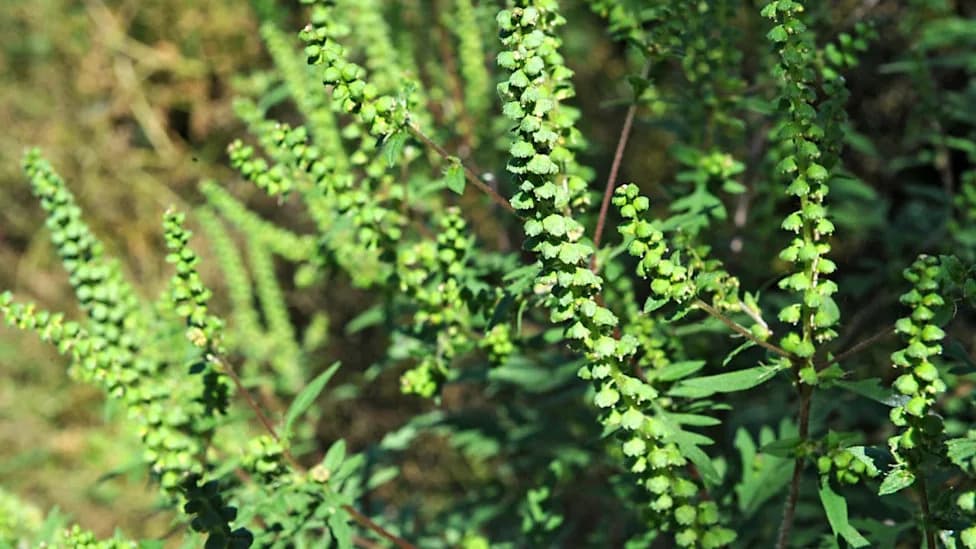
People across Georgia who feel their allergy symptoms lasting longer than before are not imagining it. Warmer winters, extended growing seasons, and higher atmospheric carbon dioxide are prompting plants to release pollen earlier, remain active longer, and produce greater overall quantities.
What’s Changing
Pollen seasons across the United States have lengthened by roughly three weeks, and plants are estimated to be releasing about 20% more pollen than in past decades. In Georgia, that means tree pollen can arrive as early as January or February, grass pollen follows in spring and early summer, and weeds such as ragweed can persist into November in warm falls until killed by a hard frost.
Why It Matters
The result is more days with congestion, itchy or watery eyes, sinus pressure, interrupted sleep, and more frequent asthma flare-ups for people with allergies or respiratory conditions. Georgia’s humid climate adds another layer of risk: heavy rains and warm conditions leave behind decaying leaves and yard debris that release mold spores as they decompose, creating a separate trigger for breathing problems.
Local Impact
Augusta ranks among the U.S. metropolitan areas that are hardest on seasonal allergy sufferers, according to the Asthma and Allergy Foundation of America’s 2025 Allergy Capitals report. Local clinics such as Atlanta Allergy & Asthma use Rotorod samplers and other daily monitoring tools to track airborne pollen and provide day-to-day guidance.
Practical Steps to Reduce Exposure
- Check daily local pollen counts and treat high-pollen days like a weather warning.
- Limit outdoor time when levels are high and keep windows and doors closed on peak days.
- Shower and change clothes after being outdoors, and wash bedding regularly to remove trapped pollen.
- Use air purifiers with HEPA filters and vacuum with HEPA-equipped cleaners to cut indoor allergens.
- Clear yard debris promptly to reduce mold growth after heavy rains.
- Talk to a doctor or board-certified allergist about medications, inhaler use for asthma, or immunotherapy if symptoms persist or worsen.
Looking Ahead
Communities can adapt as forecasting and public awareness improve, but monitoring alone won't stop the underlying trend: rising temperatures are extending the pollen calendar. For many Georgians, allergies increasingly feel less seasonal and more continuous, and awareness plus practical steps can help reduce daily suffering.
Help us improve.