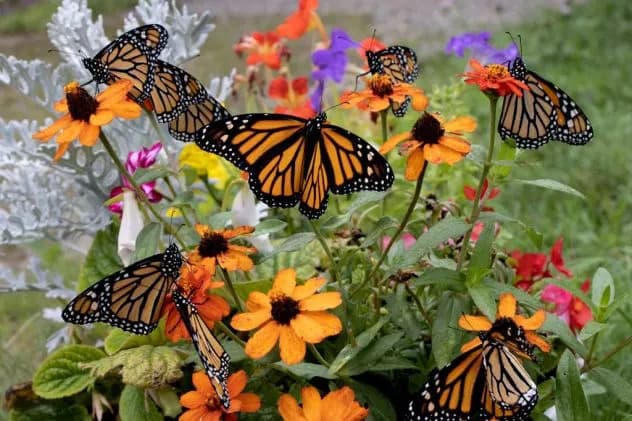
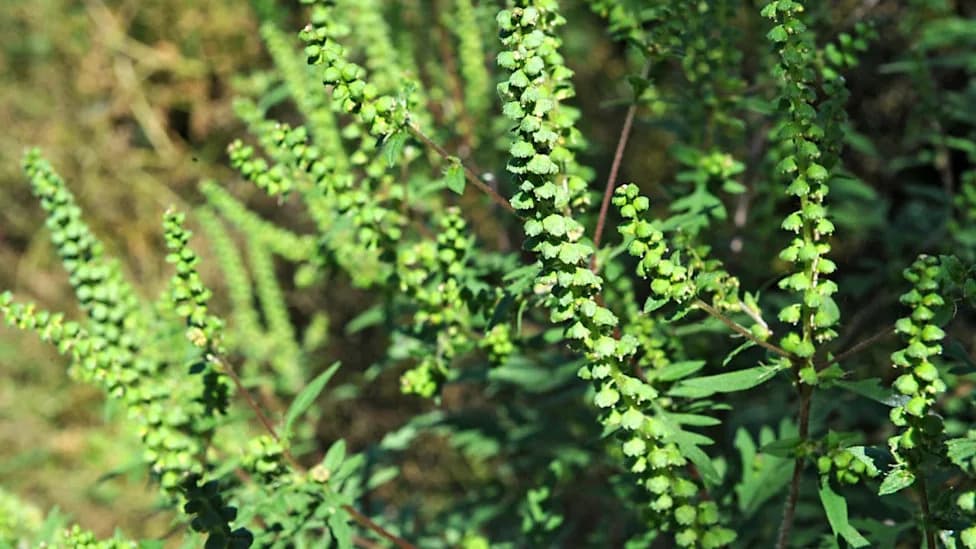
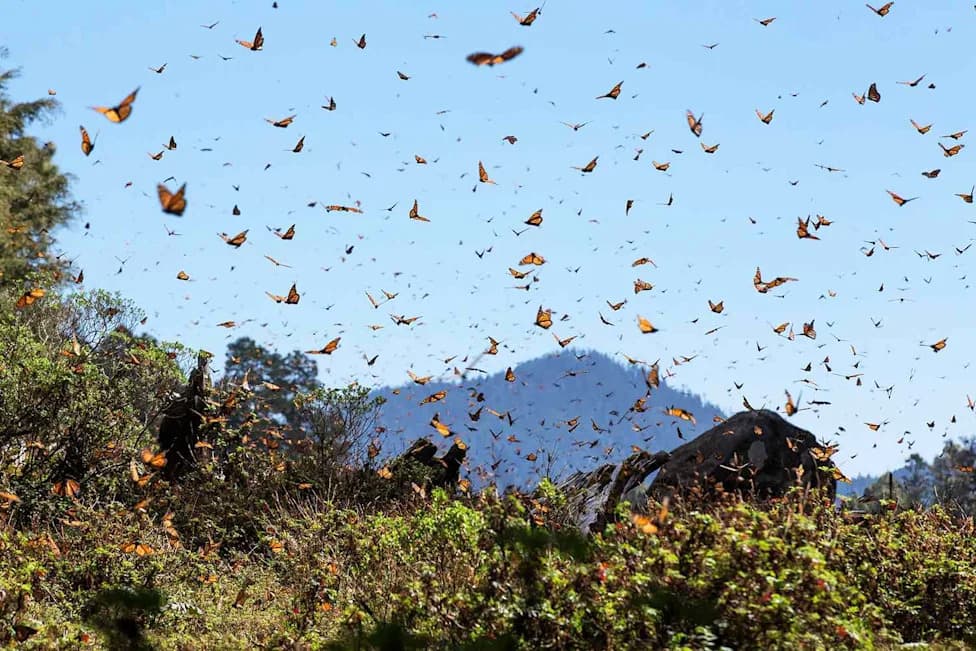
UF/IFAS researchers analyzed 52 pollinator species from Alabama to central New York using field data and 80,000+ iNaturalist records. They found that many urban pollinators begin activity about 22 days later and end about 21 days later than rural counterparts, though season length often remains similar. Development, roads, fragmented green spaces and temperature variability are linked to timing shifts. The eastern tiger swallowtail showed one of the largest urban delays (~33 days), highlighting risks of mismatches with short plant bloom windows.
City Pollinators Are Shifting Their Seasons — Many Start About 3 Weeks Later
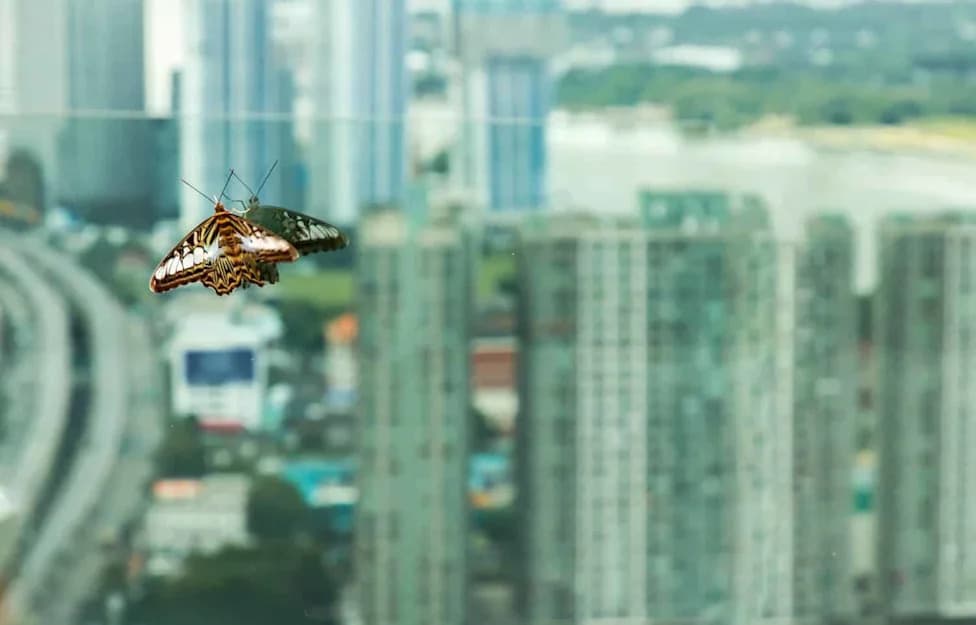
Butterfly with spread wings perched on a window glass city view. Copy space, Selective focus.© anutr tosirikul/Shutterstock.com
Researchers at the University of Florida’s Institute of Food and Agricultural Sciences (UF/IFAS) report that many pollinator species in urban areas are shifting the timing of their seasonal activity, often beginning and ending weeks later than populations in rural locations. Published in Royal Society Open Science, the study finds that while the overall length of many pollinator seasons remains similar, the calendar for when insects are active can shift dramatically in cities — commonly by about three weeks.
Study Design and Data Sources
UF/IFAS scientists analyzed seasonal records for 52 pollinator species across a geographic gradient from Alabama to central New York, including urban, agricultural, and more natural sites. Observations spanned full seasons to capture start and end dates. In addition to field data, the team incorporated more than 80,000 citizen-science observations from iNaturalist to improve detection of urban activity windows.
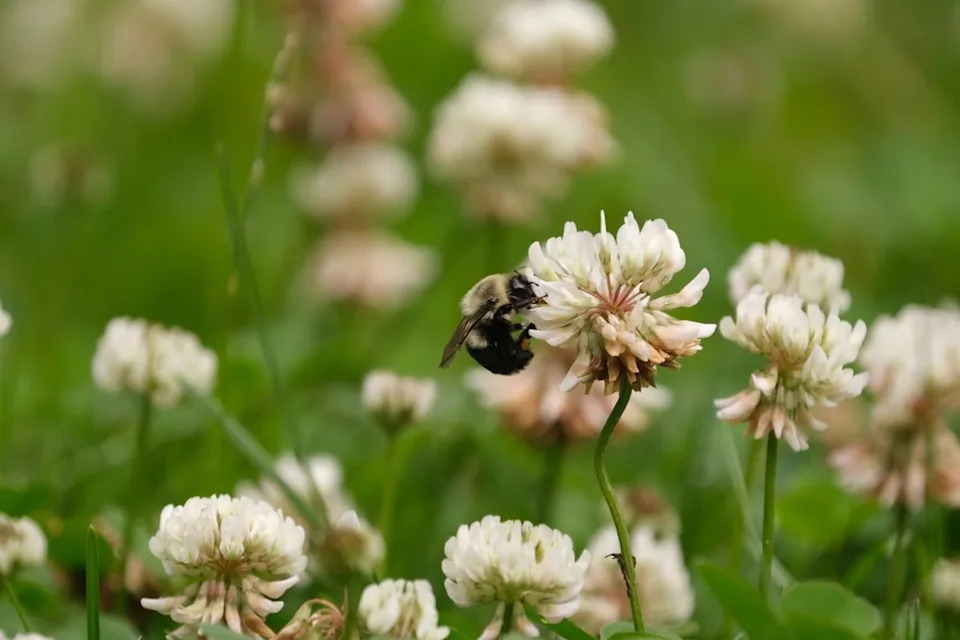
Bees have adapted to city life but may still struggle in highly developed areas.©CPWhite/Shutterstock.com
Main Findings
Of the 52 species tracked, 19 showed measurable shifts in activity patterns tied to human-modified landscapes. On average, many species in urban areas began their activity roughly 22 days later and ended about 21 days later than expected — producing a marked shift in timing even though the season length was often unchanged. Individual species did show variation in season length driven by local plant availability, the length of the growing season, and human-driven habitat changes.
Drivers of Timing Shifts
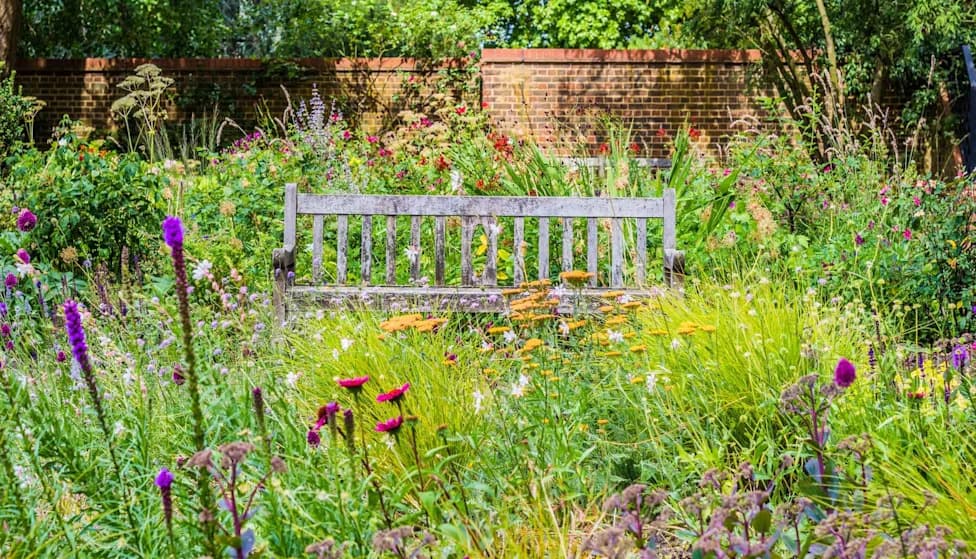
Green spaces are crucial in cities where pollinators need quick, easily accessible nectar sources.©StockMediaSeller/Shutterstock.com
Researchers identified development, agriculture, roads, temperature variation and fragmented green space as primary influences on pollinator schedules. Urban sites showed greater variability in these factors, which likely drives altered timing. As Corey Callaghan, assistant professor of global ecology at UF/IFAS Fort Lauderdale Research and Education Center, put it:
“Cities, and those who live in cities, change vegetation, resources, and many other features of the landscape at the same time. If we are shifting the pollinator calendar, the big question is whether the plants and other species they interact with are shifting their calendars too.”
Example: Eastern Tiger Swallowtail
The eastern tiger swallowtail (Papilio glaucus) showed one of the largest urban delays: researchers observed urban populations starting activity about 33 days later than expected, with delayed activity persisting roughly 23 days. By contrast, rural populations were often on-time or earlier. Because adult eastern tiger swallowtails live only one to two weeks, accurate timing of emergence and flower availability is critical for feeding and reproduction.
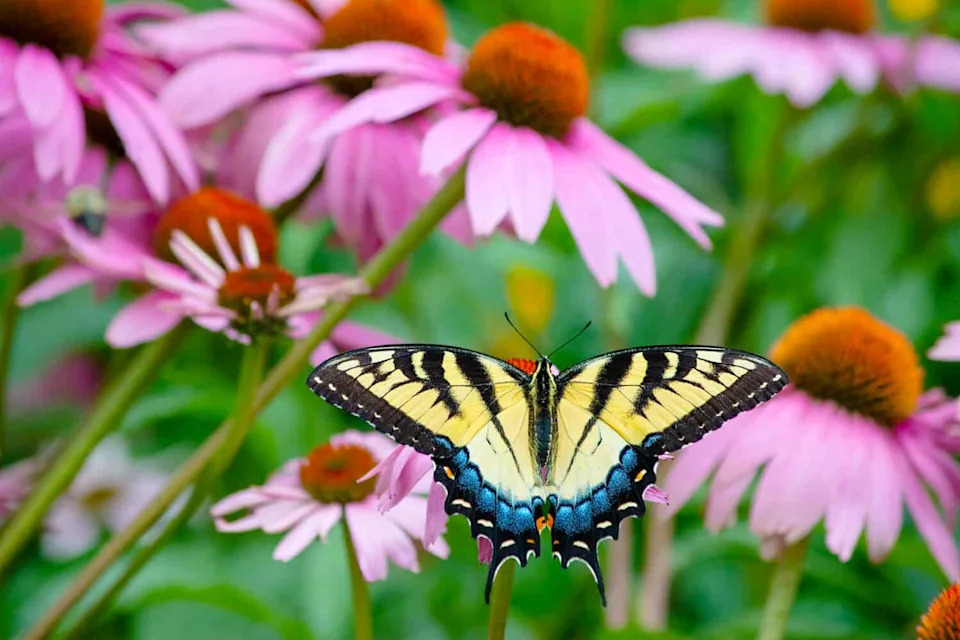
The eastern tiger swallowtail adjusts its schedule by nearly a month in urban areas.©K Quinn Ferris/Shutterstock.com
Ecological Implications
Many plants have short bloom windows; if pollinators arrive too late, they can miss nectar and pollen peaks, increasing the risk of reduced reproduction for both plants and insects. Fragmented or managed urban green spaces (parks, private gardens, roadside plantings) can partially mitigate this by providing nectar and host plants, but their patchy distribution means pollinators must track highly variable resources.
Role of Citizen Science and Next Steps
More than 80,000 iNaturalist observations strengthened the analysis and highlight the value of public participation in tracking phenological change. The authors recommend continued monitoring, more detailed studies of plant–pollinator synchrony, and urban planning that increases diverse, native floral resources across the season to reduce mismatches.
Bottom Line
The UF/IFAS study suggests urbanization is shifting when many pollinators are active without necessarily extending or shortening their seasons. That temporal shift raises important questions about whether interacting species — including the plants pollinators rely on — are changing in step. Conserving and expanding connected green spaces and flowering plant diversity in cities can help reduce risky mismatches.
Help us improve.