Climate Central's new analysis shows ragweed pollen season is lasting longer in most U.S. cities because the first fall freeze now arrives later than it did in 1970. On average, the freeze-free portion of fall has lengthened by about 11 days across 202 cities, with 67 cities seeing at least a two-week increase. Warmer autumns—driven by greenhouse-gas warming and reinforced this year by a strong El Niño—are directly extending ragweed pollen exposure and worsening allergy risk.
Fall Ragweed Season Is Lengthening Nationwide — Where The Increase Is Biggest
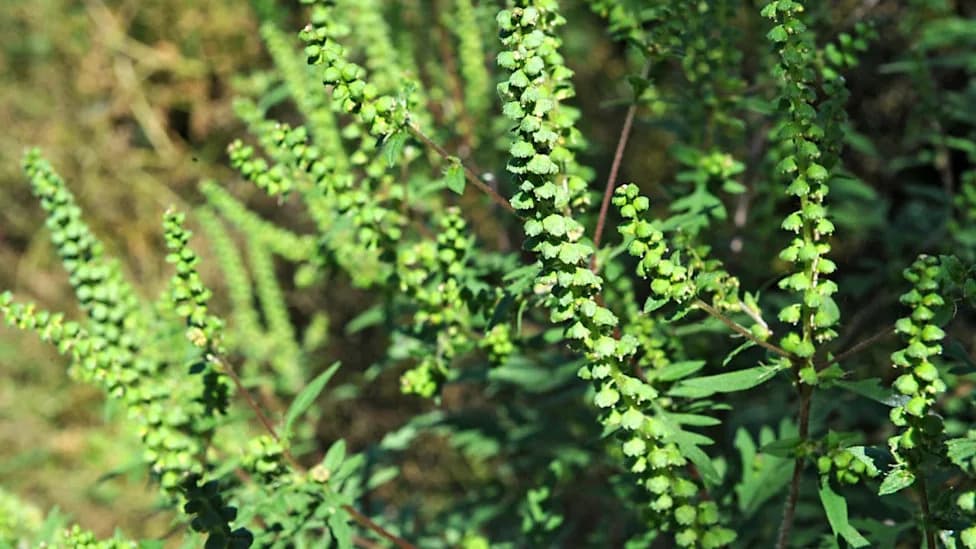
FILE: Ragweed plant (Photo by Lori Van Buren/Albany Times Union via Getty Images)
Ragweed-driven allergy season in the United States is stretching later into the year as human-caused climate change delays the first hard freeze, a new analysis by Climate Central finds. In 177 of 202 U.S. cities studied (about 88%), the first fall freeze now occurs later than it did in 1970 — directly extending the period when ragweed releases pollen and exposing more people to allergy triggers.
Why This Is Happening
Ragweed pollen release continues until the first significant frost. Heat-trapping greenhouse gases have raised regional temperatures and extended warm-weather conditions deeper into autumn. This year, an unusually strong El Niño amplified those effects: August was the hottest month on record globally, according to the Copernicus Climate Service.
Major Findings
- Climate Central examined 202 U.S. cities and found 177 (88%) now see later first fall freezes compared with 1970.
- The average freeze-free portion of fall across these cities has lengthened by about 11 days since 1970.
- In 67 cities the freeze-free fall season is at least two weeks longer; a few places have gained three to four weeks.
Where The Change Is Biggest
- Toledo, Ohio — 28 days longer
- Reno, Nevada — 26 days longer
- Boise, Idaho — 24 days longer
- Tupelo, Mississippi — 24 days longer
- Richmond, Virginia — 23 days longer
Health Impact
Ragweed is present in every U.S. state except Alaska and is the main cause of late-summer and fall allergies. According to Climate Central and the Asthma and Allergy Foundation of America, ragweed is prolific — a single plant can produce up to 1 billion pollen grains — and common symptoms include:
- Runny or stuffy nose and postnasal drip
- Sneezing and itchy nose, eyes, ears or mouth
- Red, watery eyes and swelling around the eyes
- Fatigue, disturbed sleep, moodiness and irritability
Practical Tips For Allergy Sufferers
To reduce exposure and symptoms: monitor local pollen forecasts, keep windows closed on high-pollen days, use air conditioning with a HEPA or high-efficiency filter, shower and change clothes after outdoor activities, and consult a healthcare provider about antihistamines or allergy management plans.
Climate Central: A single ragweed plant can produce up to 1 billion pollen grains that are carried by wind and cause a range of symptoms.
Sources: Climate Central, Copernicus Climate Service, Asthma and Allergy Foundation of America, local reporting.
Help us improve.