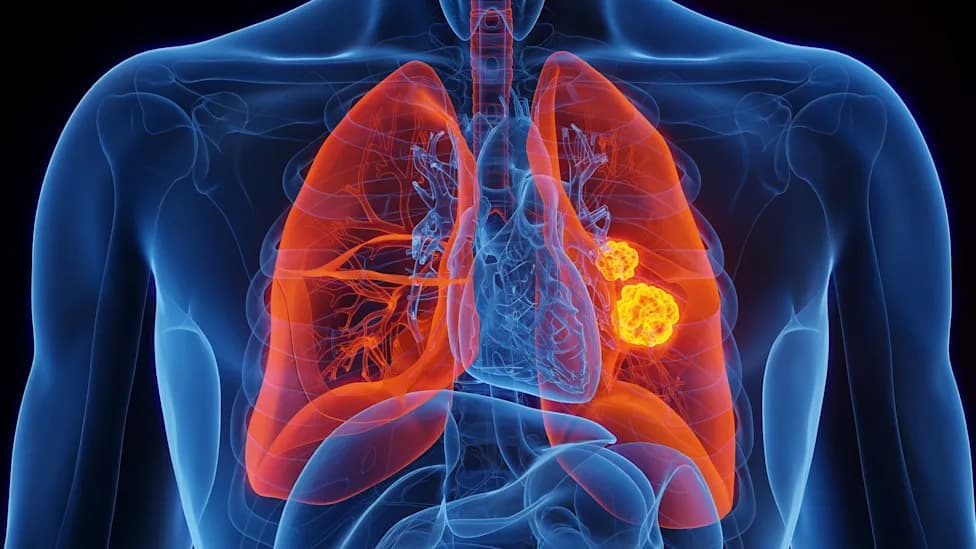
Caroline Ainslie, 60, was diagnosed in March with stage‑four ovarian cancer that had spread to her liver and lungs. After a strong response to initial chemotherapy she underwent a 12‑hour cytoreductive operation followed by HIPEC—a heated chemotherapy solution circulated at 42°C for 90 minutes—and is now reported tumour‑free. University Hospital Southampton, which opened its HIPEC service in 2022 and has completed 50 procedures, says she should fully recover; she will receive two further systemic chemotherapy cycles and close follow‑up.
From Inoperable To Tumour‑Free: Pioneering HIPEC Gives Former Nurse New Lease On Life
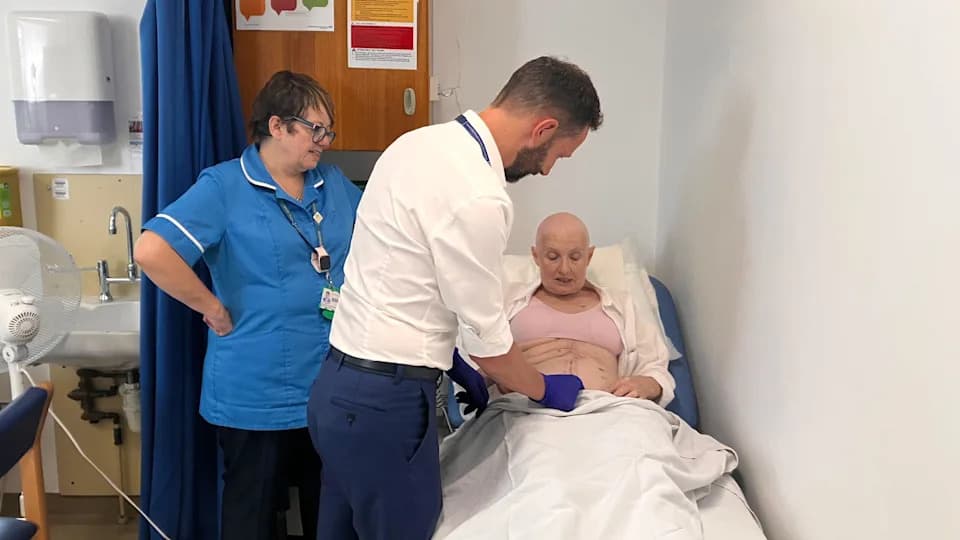
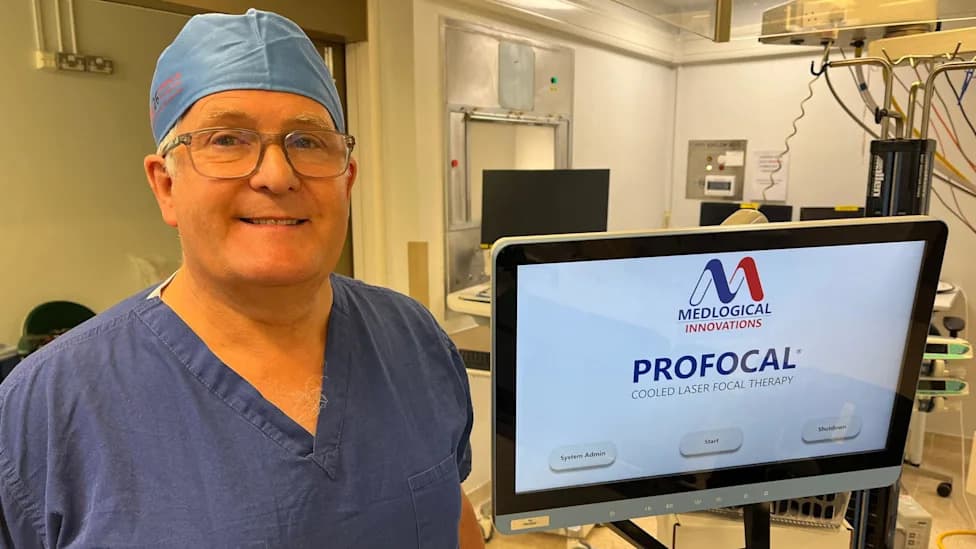
Caroline was treated by surgeon David Constable-Phelps at University Hospital Southampton [BBC]
Caroline Ainslie, 60, from Southampton, has been declared tumour‑free after receiving a pioneering treatment for stage‑four ovarian cancer that had spread to her liver, lungs and other sites. Initially told her cancer was inoperable, Caroline responded strongly to first‑line chemotherapy and was selected for cytoreductive surgery followed by hyperthermic intraperitoneal chemotherapy (HIPEC) at University Hospital Southampton (UHS).
Lengthy, complex surgery delivers a positive outcome
The operation lasted around 12 hours. After surgeons removed visible tumours, they used a HIPEC machine to circulate a heated chemotherapy solution at about 42°C (107°F) inside Caroline's abdomen for 90 minutes. Consultant gynaecologist and gynaecological oncology surgeon David Constable‑Phelps said the approach is intended to eliminate microscopic cancer cells that cannot be seen during surgery.

David Constable-Phelps carried out the 12-hour procedure at University Hospital Southampton [BBC]
"It's fantastic. She is currently tumour free. I would expect her to fully recover from the operation and have no life‑limiting symptoms from the surgery or the chemotherapy and she should go on and lead her life as normal," Constable‑Phelps said.
Caroline, a former divisional head of nursing at UHS, described her reaction to the diagnosis and her relief at the successful treatment:
"At this moment in time I am cancer free and I am absolutely delighted about that. It's surreal really because I never would have imagined that I would be in this position, and I'm incredibly grateful to the people who have operated on me and cared for me."
What Is HIPEC?
HIPEC (hyperthermic intraperitoneal chemotherapy) is a targeted technique used after surgical removal of visible tumours within the abdomen. A warmed chemotherapy solution is circulated in the abdominal cavity to kill residual microscopic cancer cells, maximising local drug exposure while limiting systemic side effects. It is used selectively for cancers that have spread within the abdomen, including some ovarian, bowel and appendix cancers.
Follow‑Up And Outlook
Caroline will continue with two further rounds of systemic chemotherapy and regular follow‑up monitoring. She is recovering her strength and has even booked a ski holiday for next year to mark this milestone. Her medical team expect a full recovery and return to normal activities, though ongoing surveillance will be important.
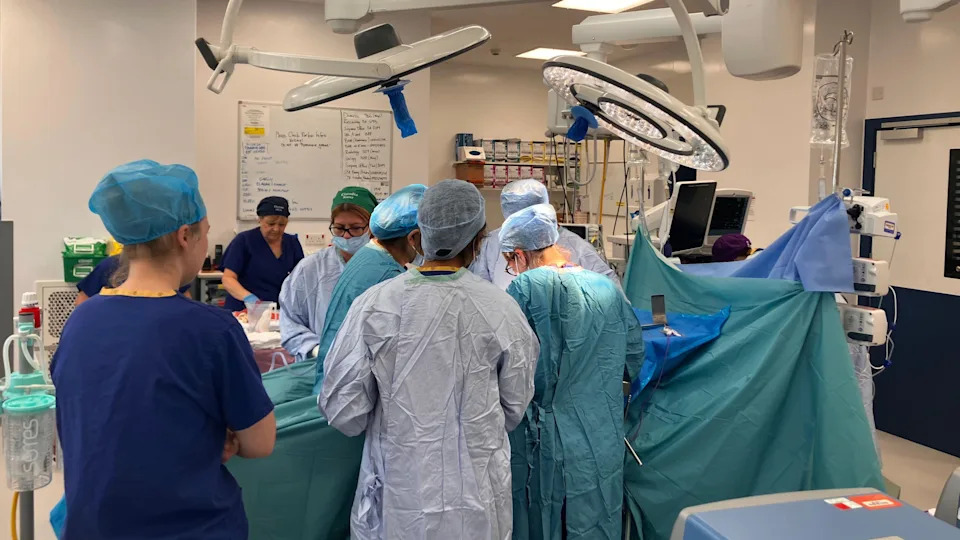
Surgery at University Hospital Southampton using a pioneering treatment known as hyperthermic intraperitoneal chemotherapy (HIPEC). [BBC]
Service Development And Support
UHS established its HIPEC service in 2022 and has quickly become one of the more experienced centres in the UK, recently completing its 50th procedure across a range of abdominal cancers. The service expansion was supported by a donation from the Hampshire‑based PLANETS Cancer Charity. Neil Pearce, chairman of PLANETS and a retired consultant liver and pancreatic surgeon, said:
"We are extremely proud to have been able to fund the use of this revolutionary cancer treatment at UHS, and stories such as Caroline's demonstrate the impact the charity and all our supporters have in saving and transforming lives."
About Ovarian Cancer
Ovarian cancer is often called a "silent killer" because early symptoms can be vague and mistaken for common digestive or menstrual issues. Key warning signs include persistent bloating, pelvic or abdominal pain, feeling full quickly when eating, and frequent or urgent urination. In the UK it is the sixth most common cancer in women, with about 7,500 new cases annually; around two‑thirds are diagnosed at a late stage and the disease causes more than 4,000 deaths each year.
Caroline's case highlights both the seriousness of advanced ovarian cancer and the potential benefits of combining systemic chemotherapy, expert surgery and HIPEC for selected patients. While not appropriate for everyone, HIPEC is an important addition to the treatment options available at specialist centres.
Help us improve.