Dawn Jemison endured pelvic pain starting at age 11 and faced decades of misdiagnosis. After scheduling a hysterectomy in December 2024, a January 2025 chance encounter led her to interventional cardiologist Dr. Abigail Qin-Nelson. A venogram revealed 76% compression in one iliac vein and a 52% blockage in another; two stents and a follow-up cauterization restored normal blood flow. One year later, Jemison reports her daily pain is gone and she will have ongoing monitoring.
Decades of Pelvic Pain End After Chance Meeting — Vein Stents Restore Her Life

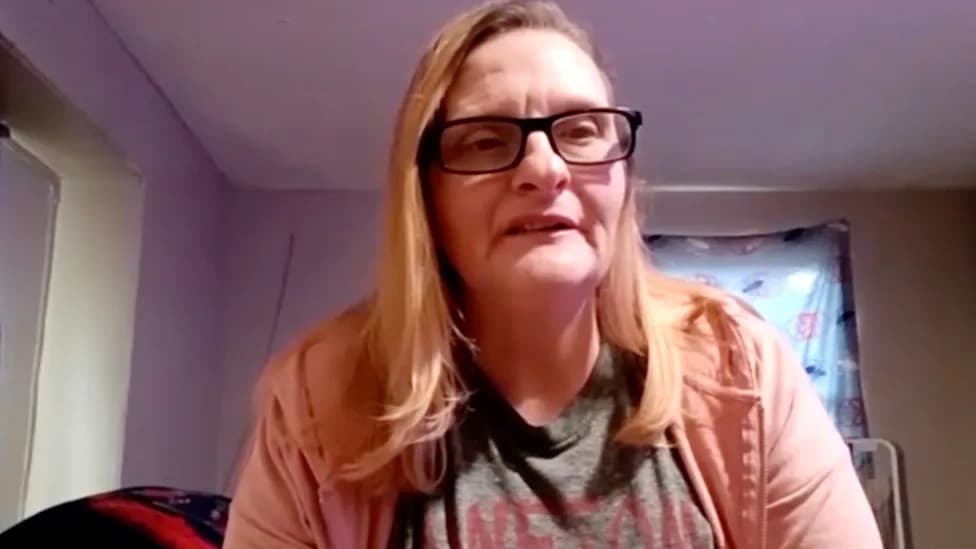
Dawn Jemison. / Credit: Dawn Jemison
Dawn Jemison began experiencing pelvic pain at age 11, and for more than three decades the severe, fluctuating pain upended her life. Misdiagnoses and dismissive treatment left her exhausted and considering a hysterectomy until a chance encounter led to a different diagnosis and successful treatment.
Years of Misdiagnosis and Unrelenting Pain
The Fort Wayne, Indiana, native first noticed symptoms in middle school. Early explanations ranged from puberty to gynecologic conditions; by her late teens she had pain several days a month. In her twenties she was diagnosed with anemia and lupus, but neither explained the "terrible, twisting, stabbing pains" that radiated from her ribcage to her pelvis or the frequent swelling in her legs.
Over two decades Jemison saw many specialists, underwent dozens of tests and exploratory procedures, and received a series of conflicting opinions. Some doctors suggested endometriosis and prescribed birth control that provided no relief. Others suggested pregnancy would "regulate her system," and some practitioners implied her pain was psychological or that she was seeking drugs.
"As the years are going by, these pains are getting worse. It is not just a couple times a week, a couple times a month; it is almost every day, waking up because of pain... and just not having an explanation," Jemison said. "I have to go to work, I have to live my life, but I'm in so much pain right now."
A Chance Encounter and a New Path
In December 2024, frustrated and desperate for a solution, Jemison scheduled a hysterectomy. In January 2025, while working as a restaurant server, she overheard a presentation by healthcare professionals describing a patient with symptoms strikingly similar to hers — a patient who improved after placement of a pelvic vein stent. She approached the team and was referred to interventional cardiologist Dr. Abigail Qin-Nelson, who agreed to evaluate her.
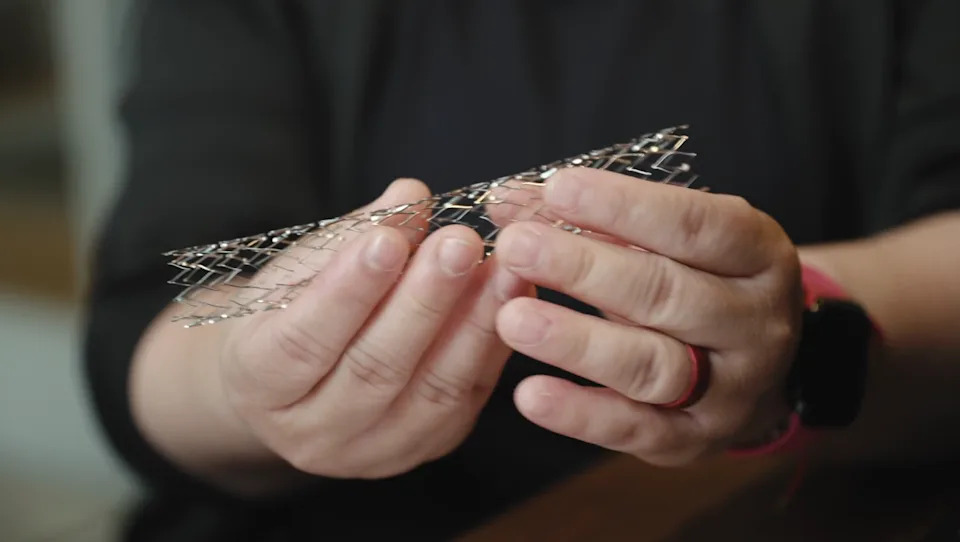
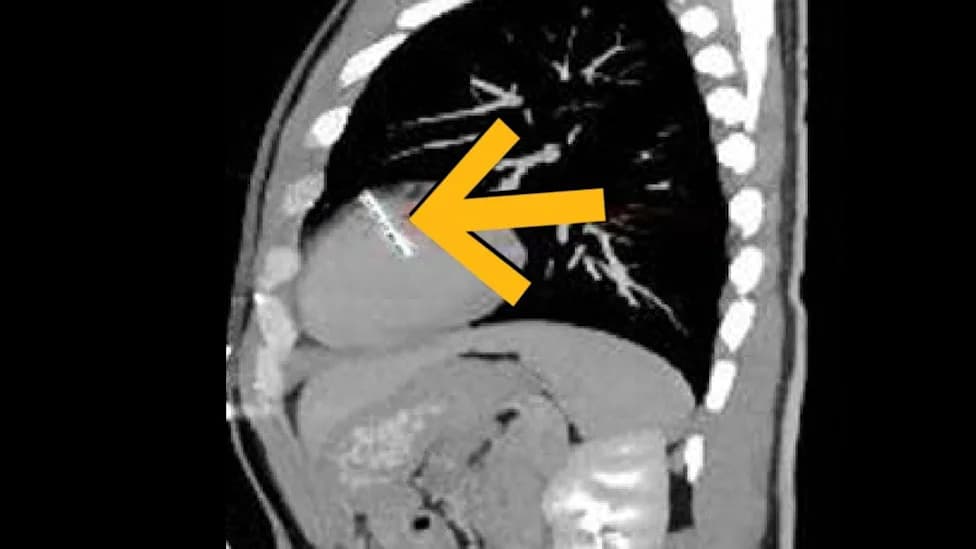
The Medtronic AbreStent was used to treat Dawn Jemison. / Credit: Medtronic
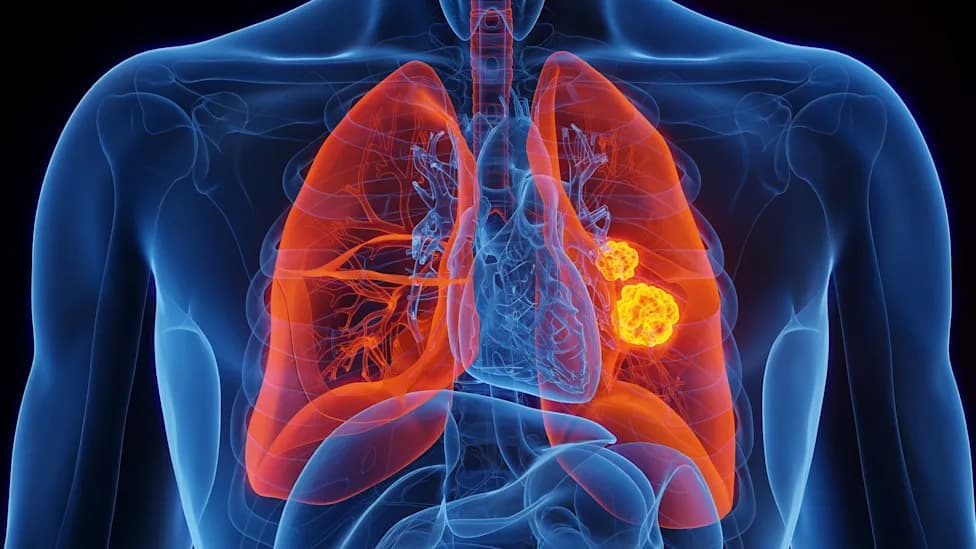
Qin-Nelson suspected pelvic congestion syndrome, a condition in which normal arterial flow is met with impaired venous outflow because of compression or blockages, causing blood to pool and press on nerves and tissues. Because pelvic congestion syndrome is often under-recognized and diagnosed only after other causes are excluded, Qin-Nelson performed a venogram — an imaging test that looks directly inside the veins.
Diagnostic Breakthrough and Treatment
The venogram revealed significant obstructions in Jemison's iliac vein: one segment was compressed by 76% and another had a 52% blockage. The study lasted longer than usual but finally provided a clear explanation for decades of symptoms.
"It was like a breath you can finally take. It was just validation — I wasn't lying, I wasn't making this up," Jemison said.
Using catheter-based techniques, Qin-Nelson placed two stents — one near a renal (kidney) vein and another along the left groin — to reopen the narrowed vessels and restore normal venous flow. A short time later Jemison underwent a second, minor procedure to cauterize collateral veins her body had formed; those alternate channels were no longer necessary after the stents restored proper circulation.
Life After Treatment
The results were dramatic. Jemison described the operation as a "game changer": post-procedure discomfort was brief, and within weeks her daily pain diminished substantially. One year after the stenting and follow-up cauterization, she reports her daily pain level is now "at a zero." Qin-Nelson said Jemison will continue routine monitoring to detect any recurrence or new issues.
"I would still probably be lying in my bed right now asking, 'What did I do, what did I do wrong, how do I fix this? Who do I talk to next?'" Jemison said. "Now I want to walk, garden and do things without working around pain."
This case highlights how pelvic venous disorders can be overlooked, leading to prolonged suffering, and underscores the value of careful venous imaging and specialist referral when symptoms persist despite conventional evaluation.
Help us improve.