Dawn Jemison endured pelvic pain from age 11 into her 40s and faced repeated misdiagnoses. A chance meeting in January 2025 led to evaluation by interventional cardiologist Dr. Abigail Qin-Nelson, who diagnosed pelvic congestion syndrome after a venogram. Imaging showed up to 76% compression of an iliac vein; two stents were placed to restore blood flow. A year after the procedures Jemison reports her daily pain is gone and she has returned to normal activities.
Chance Meeting Solves Decades-Long Pelvic Pain: Vein Stents Give Dawn Jemison Her Life Back

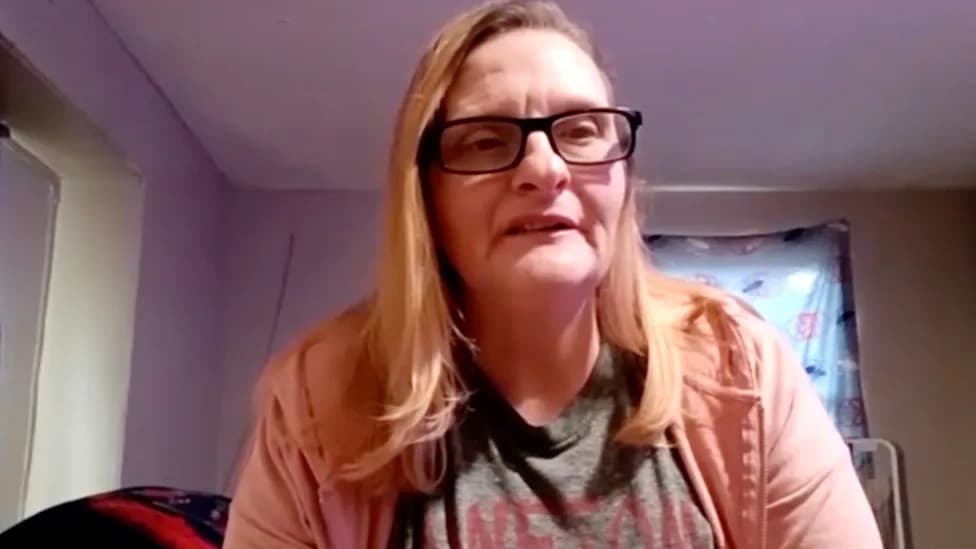
Dawn Jemison. / Credit: Dawn Jemison
Dawn Jemison began experiencing pelvic pain at 11 and lived with worsening, unexplained symptoms for decades. Misdiagnoses and dismissive medical advice left her exhausted and considering a hysterectomy — until a chance encounter at work led her to a vascular diagnosis and a minimally invasive fix that transformed her life.
A Lifetime of Misdiagnosis and Suffering
The Fort Wayne, Indiana, native first noticed pelvic pain in middle school. Physicians initially attributed her symptoms to puberty; by her late teens the pain occurred multiple days each month. In her 20s she was diagnosed with anemia and lupus, but those conditions did not explain the "terrible, twisting, stabbing pains" that radiated from her ribcage to pelvis or the chronic swelling in her legs.
Over the next two decades, Jemison, now 43, consulted many specialists and underwent dozens of tests and exploratory procedures. Some providers suspected endometriosis and recommended birth control, which provided no relief. Others offered inappropriate or dismissive advice — including two doctors who suggested she have a child to "regulate (her) system" — and some implied her symptoms were psychological or suggested she was seeking drugs.
A Chance Encounter That Changed Everything
Exhausted by pain, Jemison scheduled a hysterectomy in December 2024. In January 2025, while working as a restaurant server at a private presentation for healthcare professionals, she heard a speaker describe a patient whose pelvic pain improved after a stent was placed in a pelvic vein. The case mirrored her own experience.
Jemison approached the team and was offered a consultation with interventional cardiologist Dr. Abigail Qin-Nelson. She postponed the hysterectomy and pursued further evaluation.
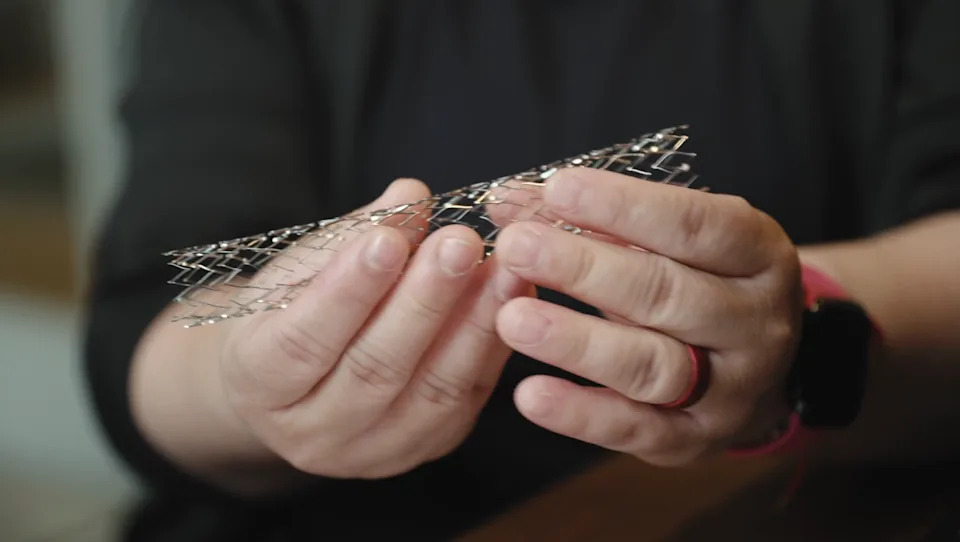
The Medtronic AbreStent was used to treat Dawn Jemison. / Credit: Medtronic
Diagnosis: Pelvic Congestion Syndrome and Iliac Vein Compression
Dr. Qin-Nelson suspected pelvic congestion syndrome, a vascular condition in which normal arterial flow is met with impaired venous outflow because of blockages or compression. That impaired return of blood can cause pooling, pressure on nearby organs and nerves, swelling and chronic pain. The condition is often underdiagnosed and requires exclusion of other causes.
A venogram — an imaging test that visualizes the pelvic veins — revealed significant obstructions in Jemison's iliac vein, which returns blood from the legs and pelvic organs to the heart. One segment showed 76% compression and another vein had a 52% blockage.
Treatment and Recovery
Using a catheter-based approach, Dr. Qin-Nelson placed two stents — one near a renal (kidney) vein and another along the left groin — to reopen the compressed vessels and restore normal blood flow. The initial venogram procedure took longer than usual because of the complexity of Jemison's anatomy, but it provided a definitive diagnosis.
Post-procedure discomfort lasted only a few days. Jemison also underwent a brief secondary procedure to cauterize collateral veins that had formed as alternate pathways; those were no longer needed after successful stent placement. A year after treatment, she reports her daily pain level is "at a zero" and says the procedures were a "complete 180" for her life. Dr. Qin-Nelson plans routine surveillance to monitor stent function and ensure the condition does not recur.
"It was like a breath you can finally take," Jemison said. "It was just validation... There really was a problem, and I just had to find the right doctor to fix it."
Jemison said she was relieved she delayed the planned hysterectomy, which may not have eased her symptoms. Today she is able to walk, garden and enjoy daily activities without planning around constant pain.
Help us improve.