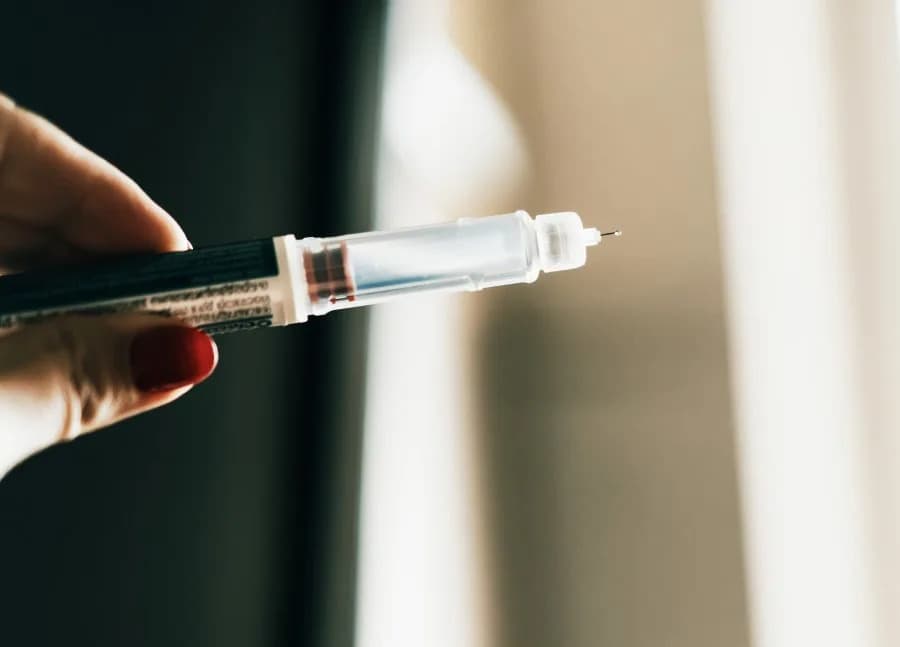
Unregulated secretagogue peptides such as sermorelin and tesamorelin are being sold widely online and have sent several fitness users to emergency rooms with severe allergic reactions. These products are often research‑grade, untested for human use and sold by hundreds of gray‑market vendors. Regulators including the FDA have issued warning letters, but enforcement remains uneven. Medical experts warn that benefits for bodybuilding or weight loss are unproven while short‑ and long‑term risks — including anaphylaxis and potential IGF‑1 related concerns — are real.
Bootleg Peptides Send Fitness Fans To ERs: The Hidden Dangers Of Sermorelin, Tesamorelin And Other Secretagogues

Sarah Keese
Within seconds of injecting the peptide sermorelin, Sarah Keese became flushed, lightheaded and collapsed. Keese later learned her heart rate had dropped to 20 beats per minute and she briefly stopped breathing after what doctors diagnosed as anaphylactic shock. She was given epinephrine and airlifted to a larger hospital for observation — an episode that produced enormous medical bills and convinced her to stop using peptides.
Harrowing Cases From A Growing Trend
Forbes interviewed five people who reported severe allergic reactions after using so-called secretagogue peptides; dozens more have shared similar stories on social media. Cases include:
- Sarah Keese: airlifted on July 3, 2025, told she nearly died; insurance later covered most of an estimated $80,000 bill, leaving her roughly $4,000 out of pocket.
- David Jeffers: collapsed and was treated in the emergency room after injecting tesamorelin; incurred about $6,000 in medical costs.
- Other users reporting escalating allergic symptoms from early mild irritation to full anaphylaxis after repeated doses.
What Are Secretagogues?
Secretagogues are peptides that stimulate the body to release growth hormone. Sermorelin, approved by the FDA in 1997 (marketed as Geref) for some pediatric growth disorders, was discontinued commercially in 2008. Tesamorelin is FDA‑approved only for a narrow HIV‑related indication (marketed as Egrifta). Neither type is approved by the FDA for bodybuilding, weight loss or routine fitness recovery.
Why The Gray Market Is Risky
Hundreds of online vendors now sell peptides labeled "for research purposes," taking advantage of a regulatory loophole. Price‑tracking site PeptidePrices listed nearly 1,000 storefronts and — as of Sept. 20 — reported 526 vendors selling sermorelin and 714 selling tesamorelin. Products sold this way are often research‑grade, not manufactured or tested to pharmaceutical standards for human use, so purity, identity and sterility are uncertain.

Keese is an avid fitness enthusiast and volunteer firefighter. She says she won't use peptides again after taking sermorelin landed her in the ER.
Regulatory Response So Far
On August 24 the FDA sent warning letters to multiple peptide sellers, citing "significant violations" tied to distribution of illicit injectable products. States have begun enforcement actions, but officials say the market behaves like a game of whack‑a‑mole because sellers and sites frequently change.
Medical And Long‑Term Concerns
Beyond immediate allergic reactions and anaphylaxis, secretagogues can alter levels of insulin‑like growth factor‑1 (IGF‑1), a hormone associated with cell growth. Clinicians warn that anything that chronically raises growth hormone or IGF‑1 could theoretically increase cancer risk. Clinical evidence for using these peptides for fitness or weight loss is sparse, and safety data are limited.
"The safety and efficacy are unknown, so why would you want to be putting something like that in your body?" — Dr. Thomas Kremen, Sports Medicine Physician, UCLA Health.
How Social Media Amplifies Use
Influencers and online communities have normalized peptide use, trading nicknames like "tesa" (tesamorelin) and "reta" (retatrutide) and sharing dosing tips while evading content moderation. That environment can downplay real harms and encourage unsupervised experimentation, including stacking multiple compounds.
Practical Advice For Users
- If you are considering peptides, consult a licensed clinician: get baseline labs (including IGF‑1) and medical supervision.
- Do not inject research‑grade or unverified products marketed "for research purposes." They may be impure or nonsterile.
- Watch for early allergic signs (hives, itching, swelling, difficulty breathing) and seek immediate care for any rapid progression; have a plan for emergency treatment, including access to epinephrine.
Conclusion
As illicit peptide markets expand and social media normalizes their use, people are exposing themselves to unpredictable and sometimes life‑threatening harms without proven clinical benefits. Regulators are increasing scrutiny, but enforcement lags behind demand. The safest course is medical oversight and skepticism toward products sold outside regulated pharmaceutical channels.
Help us improve.