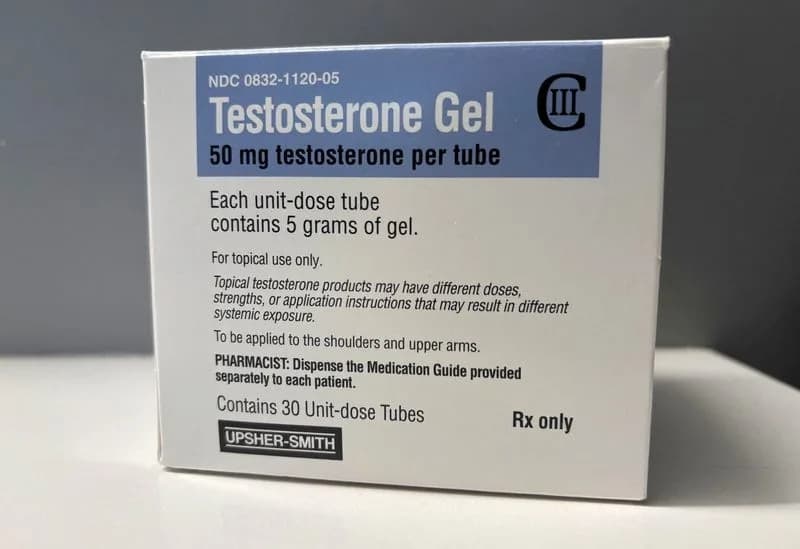
The WHO says a male contraceptive could be available within three to five years and has published Target Product Profiles to guide development. Leading candidates include a daily hormonal gel (NES/T), injectable hydrogels (ADAM/Plan A) and a non-hormonal pill (YCT-529). Funding and strict safety requirements remain hurdles, but surveys show broad interest from couples worldwide.
WHO: Male Contraceptives Could Reach Pharmacies Within 3–5 Years — A Potential Game Changer
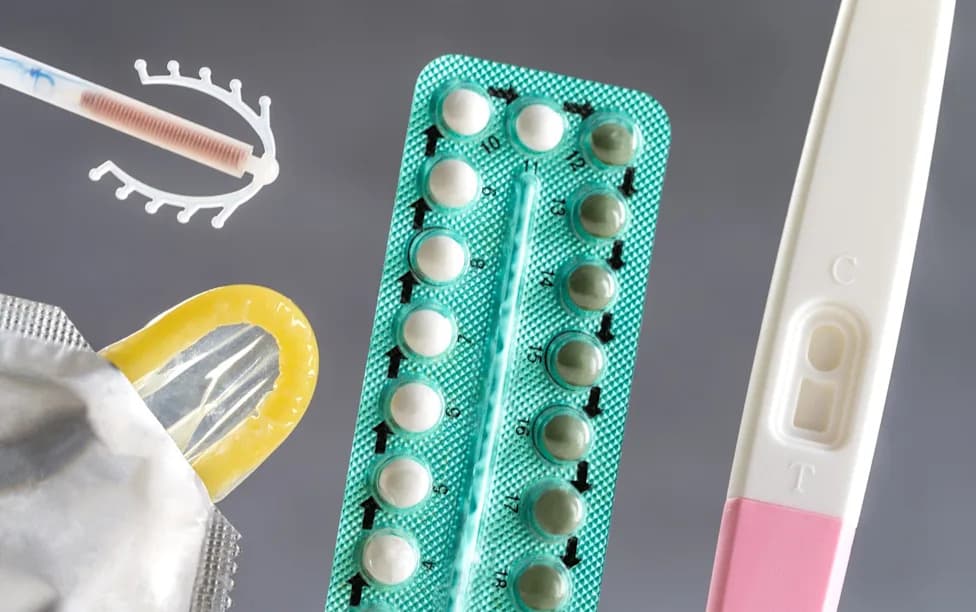
A non-hormonal, daily male birth control pill is one of the options being trialled - JPC-PROD
The World Health Organization (WHO) says male contraceptives could be available in pharmacies within three to five years, potentially as early as 2029. The WHO published its first Target Product Profiles (TPPs) for male contraceptives to set safety and performance standards and signal that developing new male options is a priority.
Leading Candidates
Several approaches are advancing through early clinical trials:
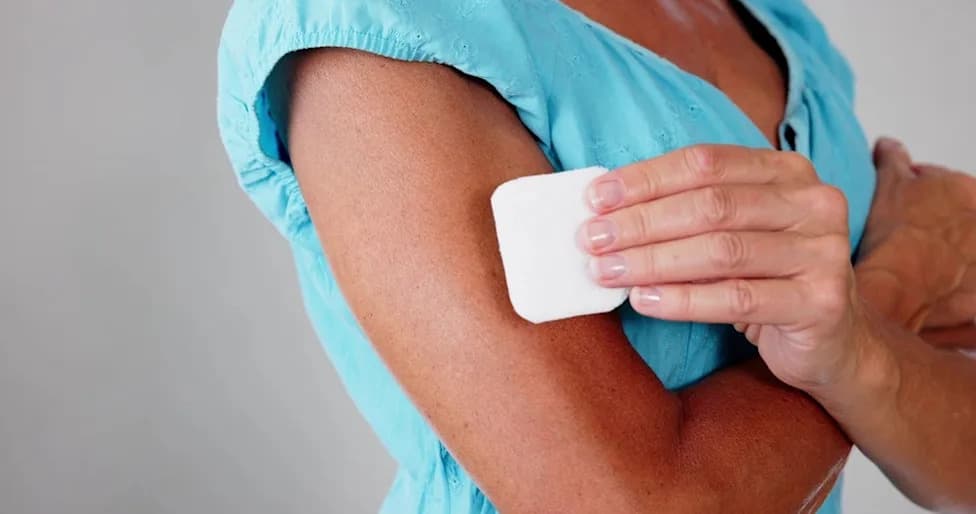
- NES/T — a daily hormonal gel applied to the shoulders and upper arms that suppresses sperm production while maintaining normal testosterone levels.
- Injectable hydrogels — a physical barrier placed in the vas deferens that has been described as a "reversible vasectomy"; examples include ADAM (Contraline) and Plan A (Next Life Sciences).
- YCT-529 — a non-hormonal daily pill currently in Phase 1b and 2a trials.
"In three to five years, we will actually have a method available, so men can be more than supporters of their female partners in using contraception — men can actually be users," said Dr James Kiarie, head of WHO's contraception and fertility care unit.
Why Progress Has Been Slow
Developing male contraception presents biological and regulatory challenges. Biologically, a male method must block production or transport of millions of sperm every day, whereas female methods target a single monthly ovulation. Regulators have also required strict safety profiles for male products because men do not face the physical risks of pregnancy; earlier hormonal trials were paused after participants reported acne, weight gain and mood changes.

Around 30 per cent of couples globally already rely on a male contraceptive, such as condoms or vasectomies - Mint Images RF
Ethical concerns from historical trials have also shaped current caution: early large-scale trials of the combined female pill in the 1950s — notably in Puerto Rico — raised issues about dosing and consent that are still cited in discussions about research ethics today.
Funding, Demand and Cultural Shift
Funding has been a barrier: pharmaceutical companies long considered male contraceptives commercially risky. That perception is changing — for example, Contraline raised $92.5 million in 2024 to advance its hydrogel into later-stage trials.
Surveys suggest strong demand: the WHO found more than 75% of couples said they would consider a new male method, and over 85% of women said they would trust their partner to use it. A 2024 Andrology study of more than 27,000 people across seven countries found 61% of men would be interested in trying novel male contraceptives within the first year of availability, with higher interest in some countries (up to 76%).
Outlook
Multiple candidates and the WHO's new TPPs increase the likelihood that safe, effective male contraceptives will reach the market — but timelines depend on successful clinical trials and regulatory review. If approved, these products could change how couples share responsibility for family planning.
Help us improve.