Bottom line: The Census Bureau did not conclude that more than 24,000 noncitizens illegally voted in 2020. It flagged over 24,000 voter records that matched immigration-related files, but a match is not proof of noncitizenship. Experts say matching without unique identifiers can produce false positives, and the flagged total—about 0.015% of 160 million ballots—would not change any state outcome. The Census called the work a "beginning analysis," and the data do not show how any flagged individuals voted.
Fact Check: Census Analysis Did Not Prove 24,000+ Noncitizens Illegally Voted in 2020
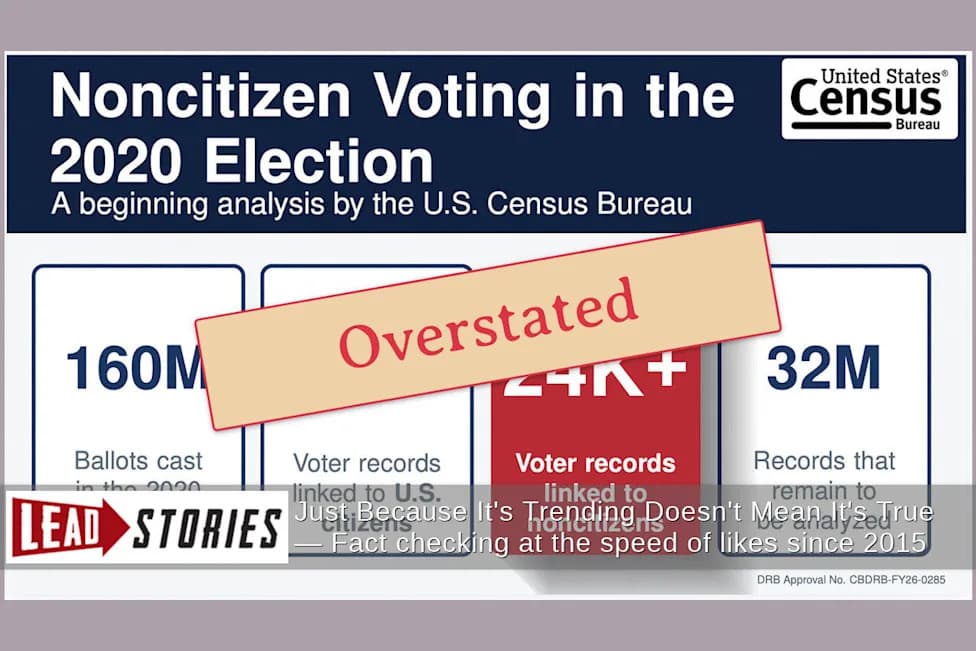
Lead Stories says: Overstated
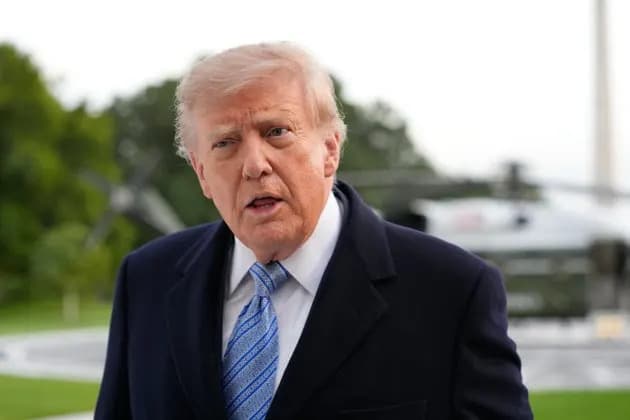
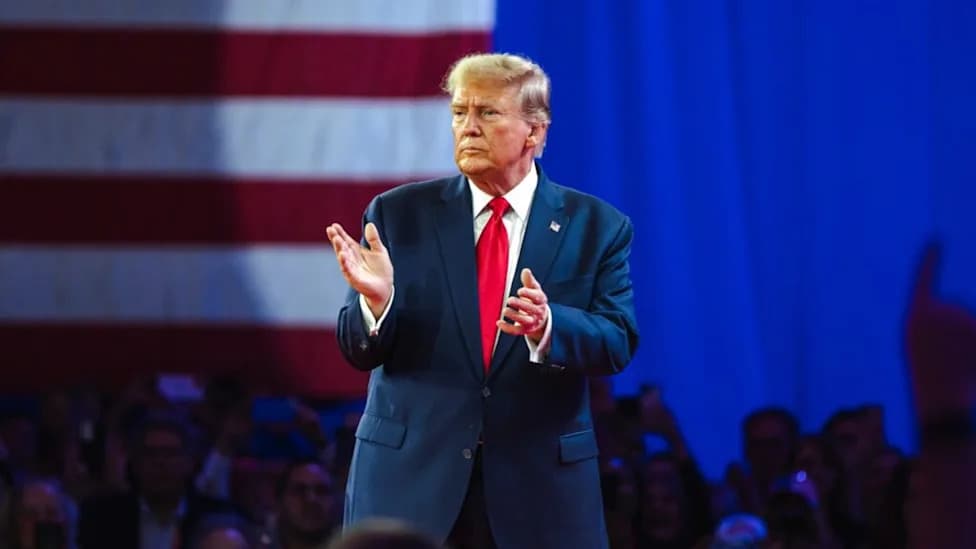
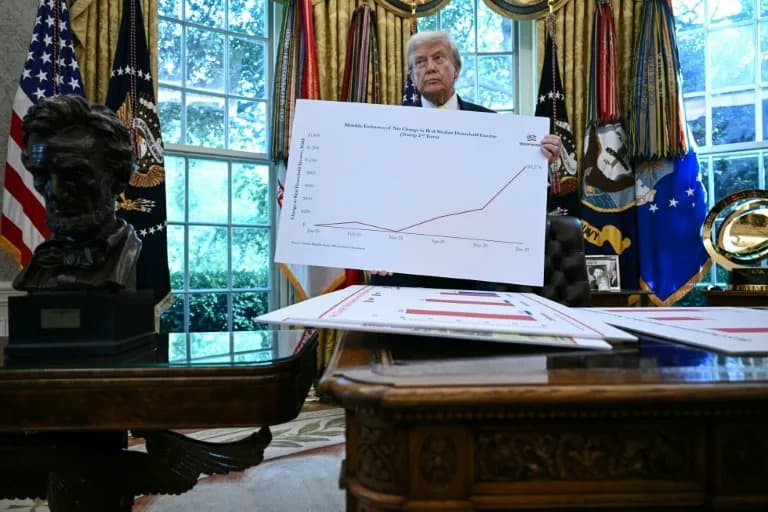
Claims that the U.S. Census Bureau "proved" more than 24,000 noncitizens voted illegally in the 2020 election are incorrect. A recent post attributed to then-President Donald Trump said the Census analysis showed more than 24,000 illegal noncitizen votes; the Census Bureau’s review, however, reports something narrower and far less definitive.
What the Census Analysis Actually Found
The Census matched more than 24,000 voter records to government files that suggest those individuals may have been noncitizens at the time of the 2020 election. The report uses the word "matched"—which indicates a possible association in administrative records, not a definitive finding of noncitizenship or illegal voting.
How Matching Worked
The analysis compared a commercial voter file to several federal databases, including immigration and visa records. When a Social Security number (SSN) was not available to make a direct link, the Census used name, birth date and address to match records. If someone appeared in an immigration-related record and the datasets checked showed no subsequent proof of naturalization, that voter record was flagged as a potential noncitizen match.
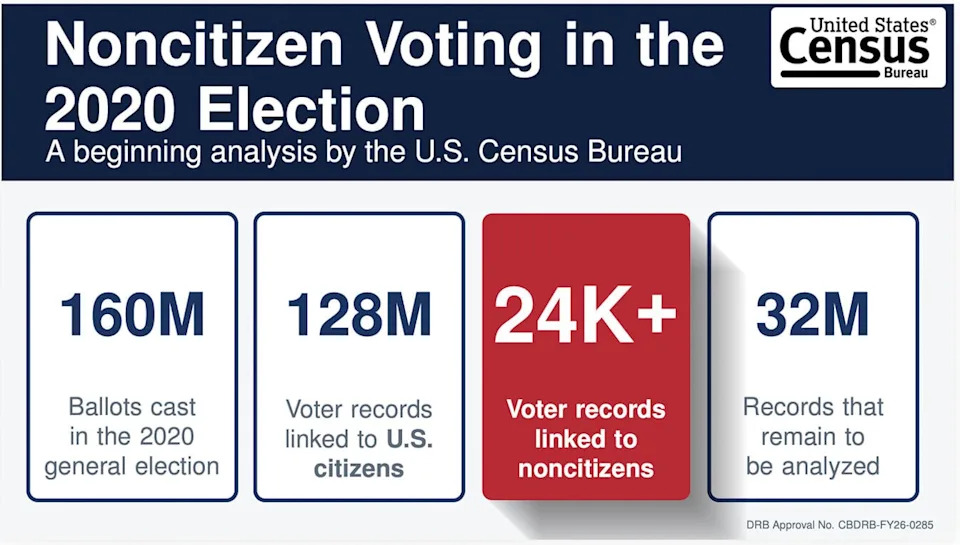
Image source: post by @realDonaldTrump on Truth Social.
Why that matters: The absence of a naturalization record in the datasets the Census examined does not prove a person was not a citizen. It only means the particular matching files lacked confirmation of citizenship. Missing records, name variations, data-entry errors or incomplete datasets can produce false positives.
Expert Assessment and Scale
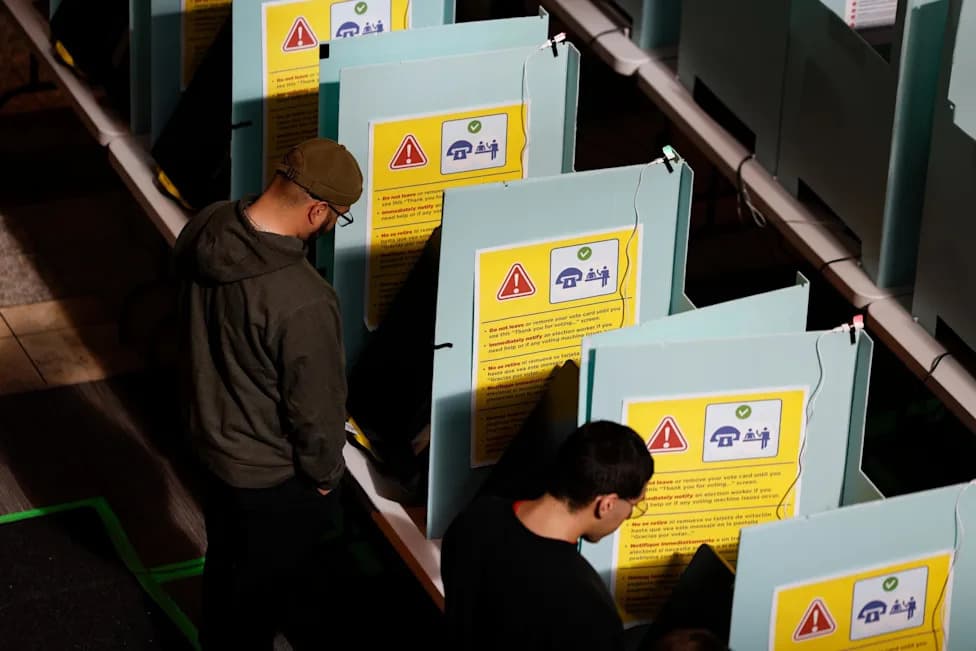
David Becker, executive director of the nonpartisan Center for Election Innovation & Research, warned that matching Census data to voter files without unique identifiers can generate many false matches. Even if every one of the flagged records were accurate, the total—about 24,000—represents roughly 0.015% of the roughly 160 million ballots cast in 2020 (Becker described the share as under 0.02%). That fraction is far too small to change the outcome in any state; the numbers cited are smaller than the margins of victory in every state in 2020.
What the Data Do Not Show
The Census analysis does not say whether any flagged individuals actually voted, whether they voted illegally, or which candidate they supported. It links voter registration records to citizenship-related files; it does not include ballot-level information or voting choices. The Census itself characterized the work as a "beginning analysis," not a final determination.
Legal Context
The Illegal Immigration Reform and Immigrant Responsibility Act of 1996 makes it a federal crime for noncitizens to vote in federal elections. Some state and local jurisdictions, however, permit limited noncitizen voting for specific municipal offices under local law; federal contests remain restricted to citizens.
Bottom line: The Census Bureau did not prove that more than 24,000 noncitizens voted illegally in 2020. It identified over 24,000 potentially matching records, but a match is not proof of noncitizenship or illegal voting, and the number is too small to have affected the election outcome.
Help us improve.