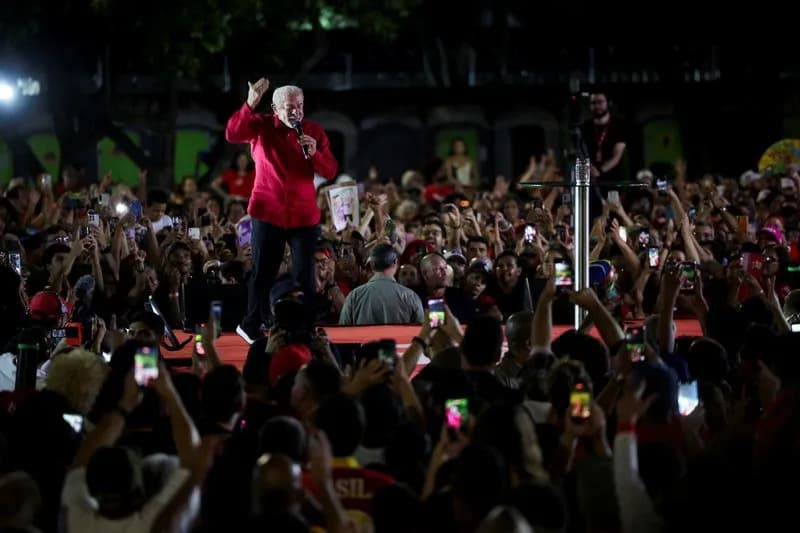
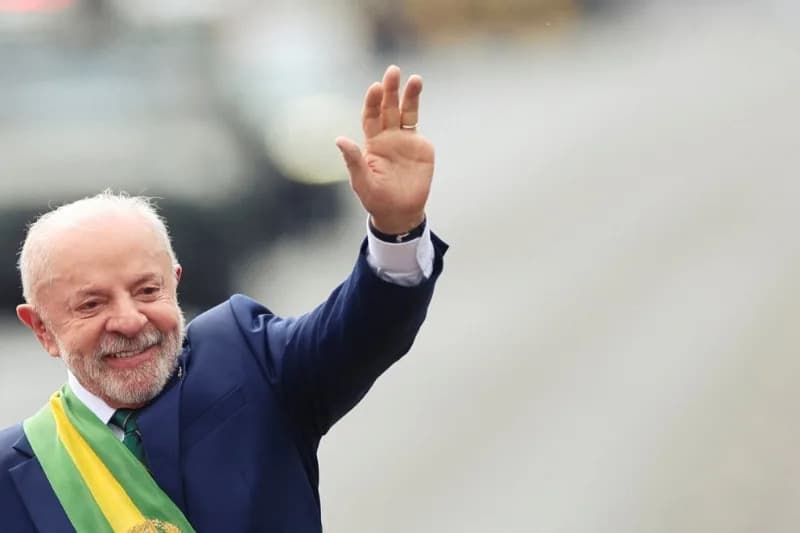
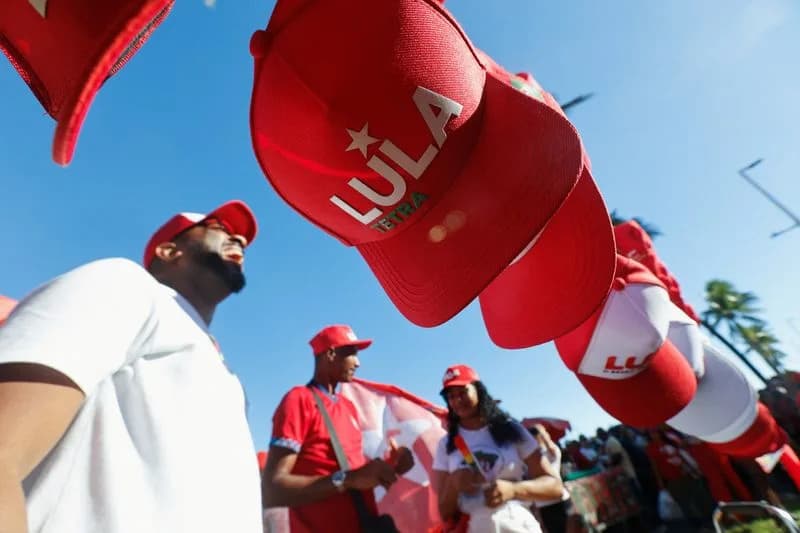
Brazil's presidential campaign opened as President Luiz Inacio Lula da Silva and challenger Flavio Bolsonaro launched rival bids ahead of the October 4 vote. A Quaest poll projects a tight runoff—Lula 43%, Flavio Bolsonaro 40%—but both candidates face rejection rates above 50%, putting the emphasis on undecided and disengaged voters. Key campaign themes include security, economic discontent despite official gains, and resistance to perceived foreign interference.
Jaded Voters, Familiar Faces: Lula and Flavio Bolsonaro Launch Tight, Polarized Campaign
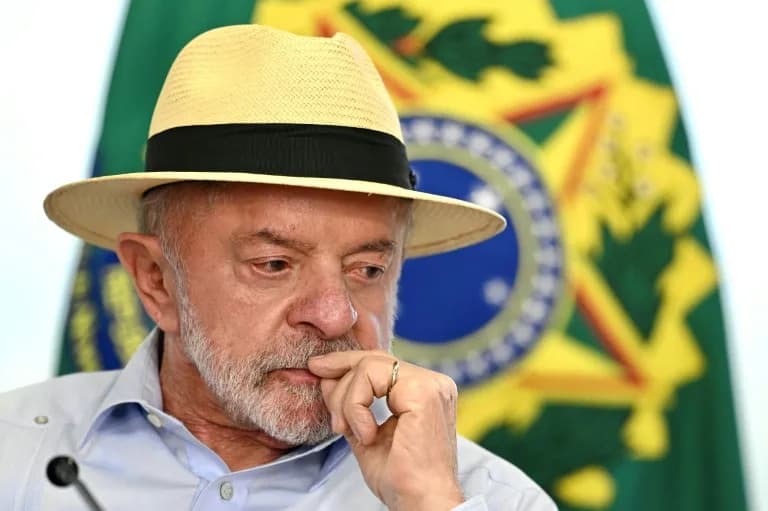
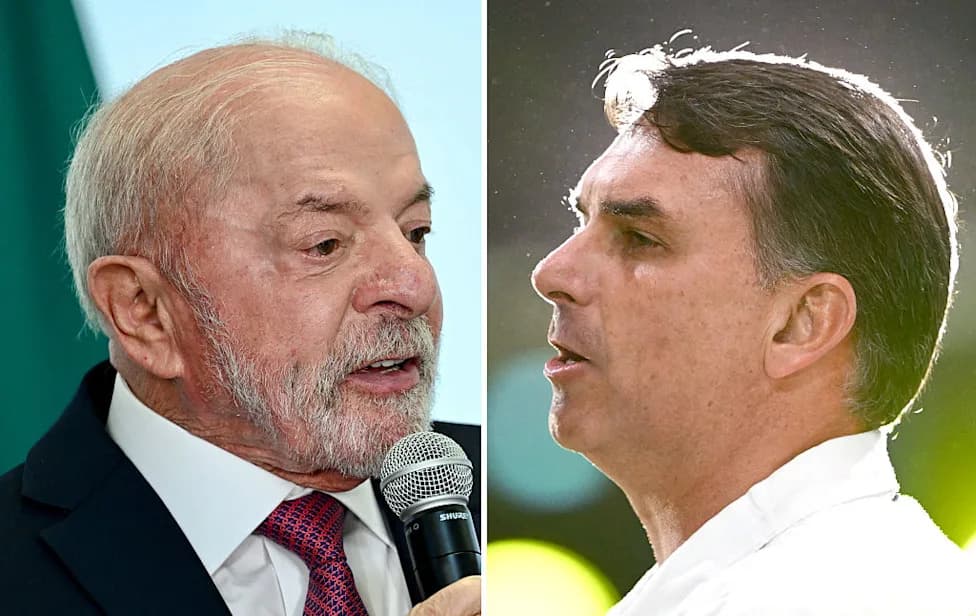
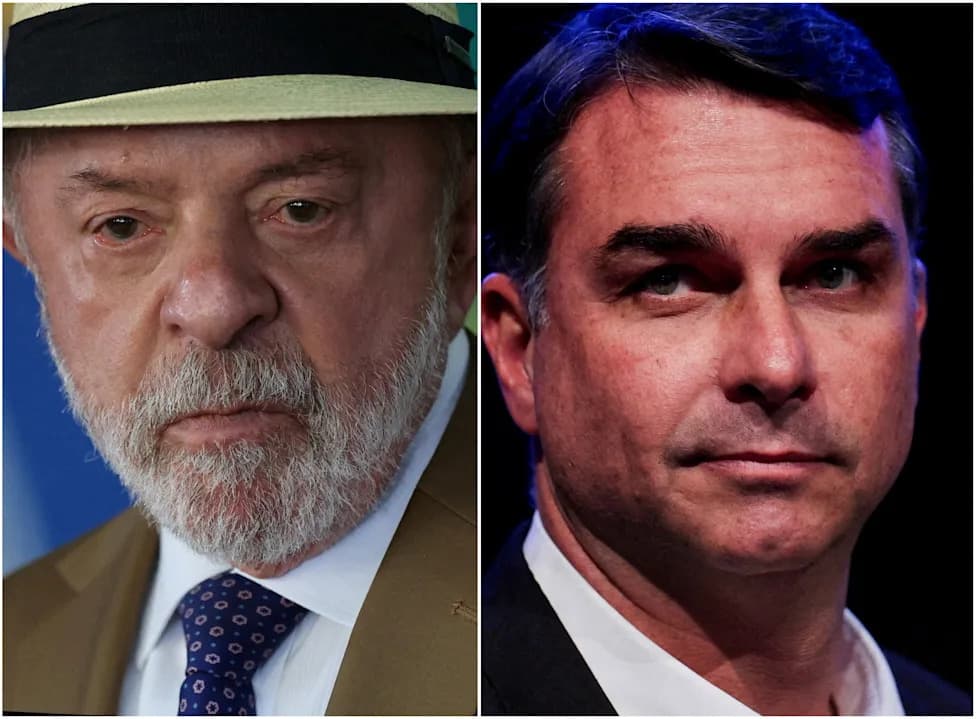
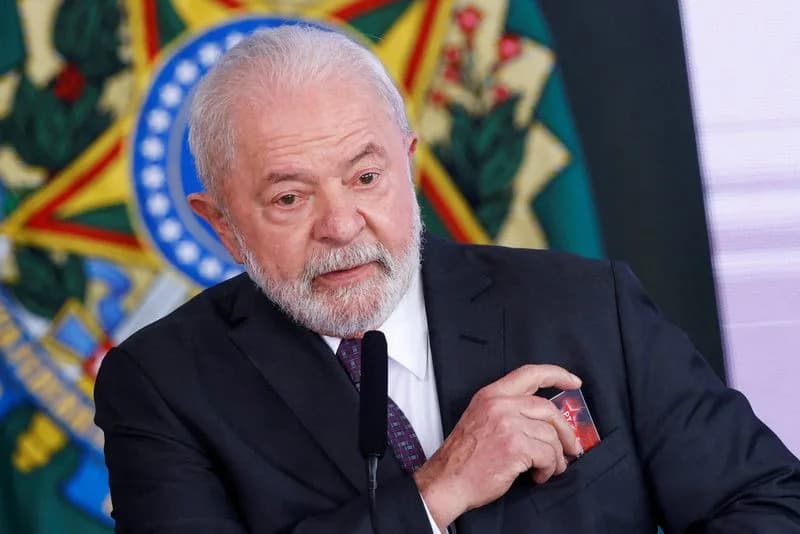
Luiz Inacio Lula da Silva, 80, who is seeking a fourth and final term, is up against the son of former far-right president Jair Bolsonaro in the October election (Evaristo Sa)
Brazil's presidential campaign formally opened as President Luiz Inacio Lula da Silva and right-wing challenger Flavio Bolsonaro launched rival bids ahead of the October 4 vote, in a contest that many voters describe as a weary replay of recent politics.
Close Race, High Rejection Rates
A recent Quaest poll projects a likely runoff with Lula at 43% and Flavio Bolsonaro at 40%. Both front-runners carry rejection rates above 50%, making a relatively small bloc of undecided and disengaged voters pivotal to the outcome.
Lula's Campaign: Sovereignty, Security and Social Gains
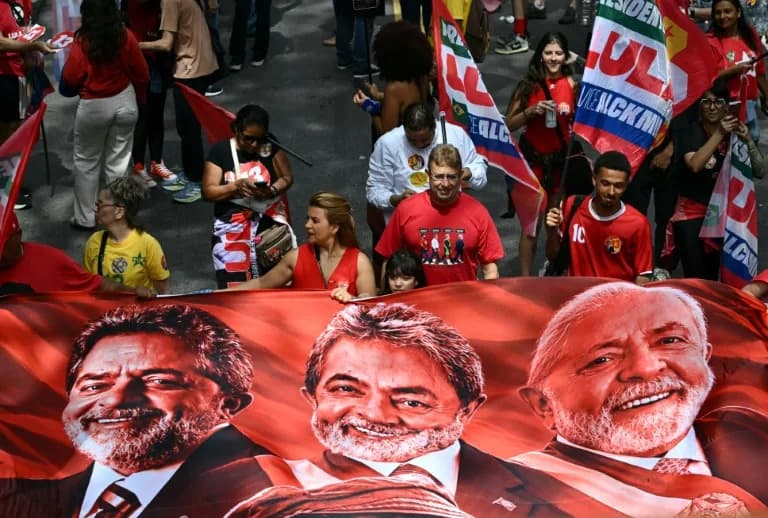
Lula, 80, opened his campaign in Sao Bernardo do Campo — the industrial city where he built his political career as a metalworker and union leader. Returning to the presidency in 2023 after corruption convictions were annulled, he has been credited with expanding social programs, implementing a major tax overhaul and reducing Amazon deforestation.
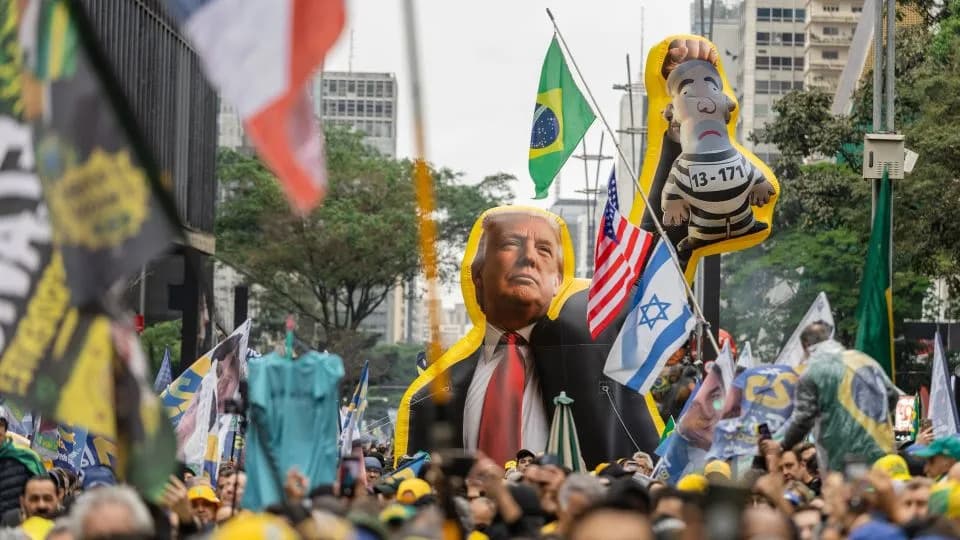
On the campaign trail he has emphasized Brazilian sovereignty in the face of US pressure, vowed to increase defense spending and made the fight against organized crime a central plank of his message. Speaking about foreign interference, Lula said he planned to tell US President Donald Trump: 'Don't meddle in Brazil's affairs, especially regarding the election. If you do meddle, you'll lose.'
Flavio Bolsonaro: 'Bolsonaro 2.0'?
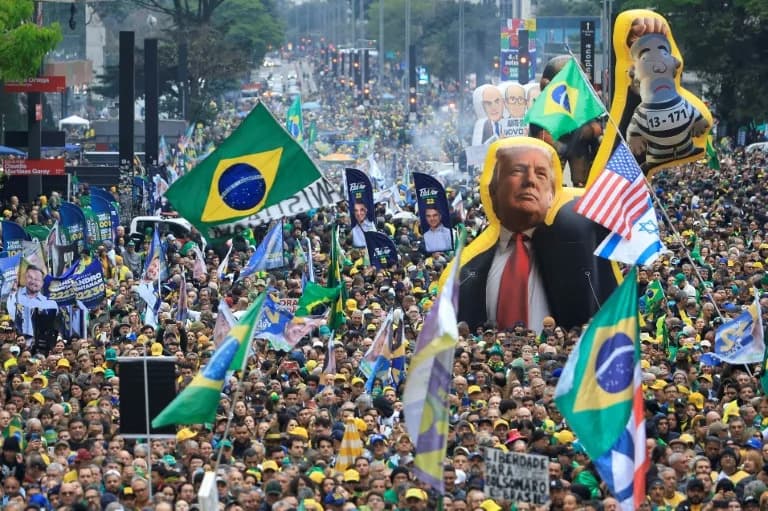
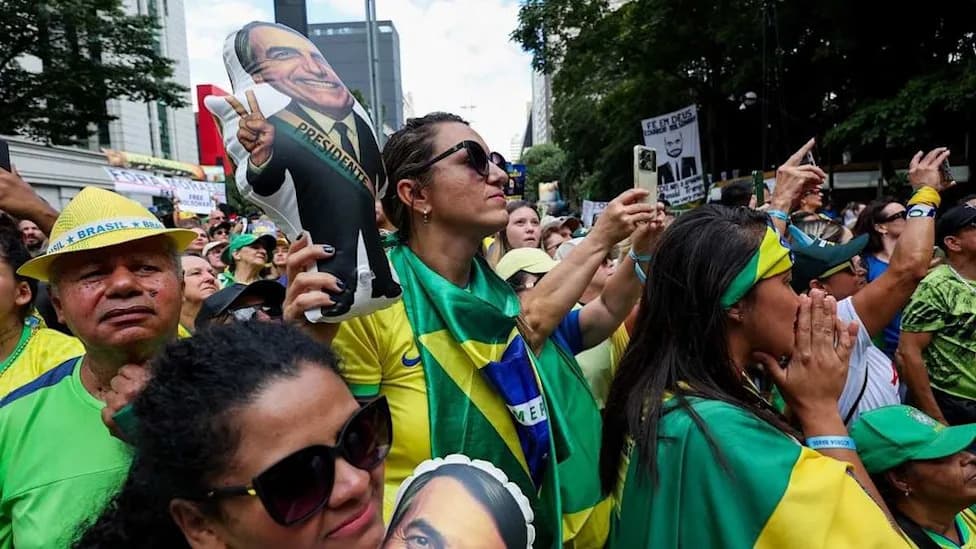
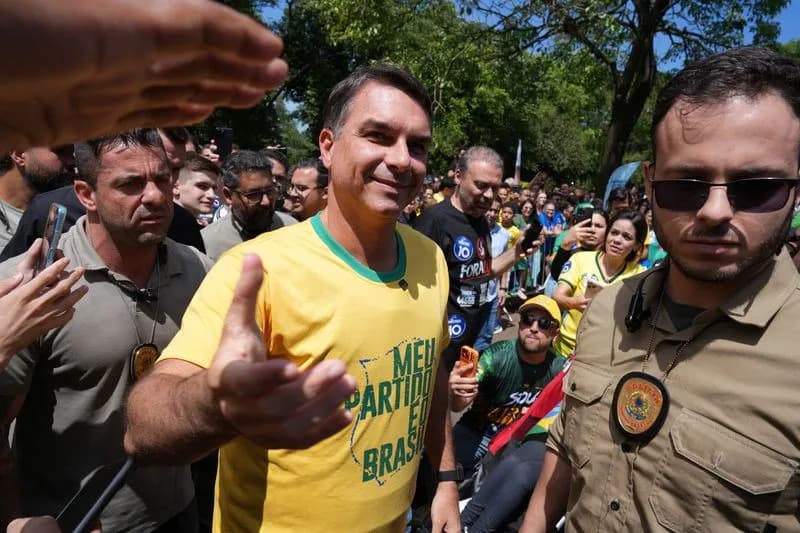
Senator Flavio Bolsonaro, 45, has cast himself as a more moderate iteration of his father while drawing on the family name and its loyal base. He launched his campaign with a rally on Rio de Janeiro's Copacabana beach, where supporters were urged to wear T-shirts bearing Jair Bolsonaro's image.
Flavio promises to 'rescue' Brazil with tougher crime policies and fiscal restraint. His bid follows a period in which his father faced legal troubles related to efforts to overturn the 2022 election result.
Economy Versus Perception
Official data show improvements: Brazil's statistics agency (IBGE) reports poverty at its lowest since comparable records began in 2012, unemployment at record lows and moderating inflation alongside steady growth. Yet many Brazilians say they have not felt these gains. As one small-business owner put it, 'A person earning minimum wage doesn't have the means to eat well or have a decent quality of life.'
Who Will Decide The Outcome?
Analysts say the campaign will focus on mobilizing disengaged voters and persuading independents. Women — who make up roughly 53% of the country's 158 million registered voters, are likelier to vote and were decisive in Lula's narrow 2022 victory — are expected to be a key demographic.
Campaign Snapshot: Tight polls, high rejection rates for both leaders, a fight for the swing electorate, and competing appeals to security, economic fairness and national sovereignty.
Help us improve.