Fox News programming frequently depicts Democrats as extreme, but Fox’s own state polls this summer show many Democratic nominees outperforming their party’s poor favorability ratings. Multiple Fox surveys find Democrats leading in states where the party is underwater, while Donald Trump’s net favorability is deeply negative in several of the same states. The data suggest Trump may be more of a liability for Republican candidates than the Democratic Party is for its nominees.
Fox’s Own Polls Undercut Its Pro‑Trump Spin — Democrats Outperform Party While Trump Falters In Key States
Fox Hits Trump with Crushing Polls—and Wrecks Fox’s Own Pro-Trump Spin
Fox News long churns out programming that portrays the Democratic Party as extreme and offers repeated platforms for Donald Trump’s allies to denounce Democrats. That messaging aims not only to damage individual candidates but to reframe the midterms so voters don’t treat them as a referendum on Trump’s record.
Yet this summer, Fox’s own state polls reveal a striking and consistent pattern: many Democratic nominees are outperforming their party’s weak statewide favorability, while Trump’s net standing is deeply negative in several of the same states.
What The Polls Show
Ohio. Fox’s latest Ohio poll finds Democrat Sherrod Brown leading Republican Jon Husted, 53% to 45%, even though only 42% view the Democratic Party favorably. The poll also shows 55% do not believe Brown is too close to the Democratic “establishment,” indicating significant personal support from voters who otherwise dislike the party.
Texas. Fox’s survey in Texas shows Democrat James Talarico ahead of Republican Ken Paxton, 51% to 48%, despite a 45%–54% unfavorable split for the Democratic Party.
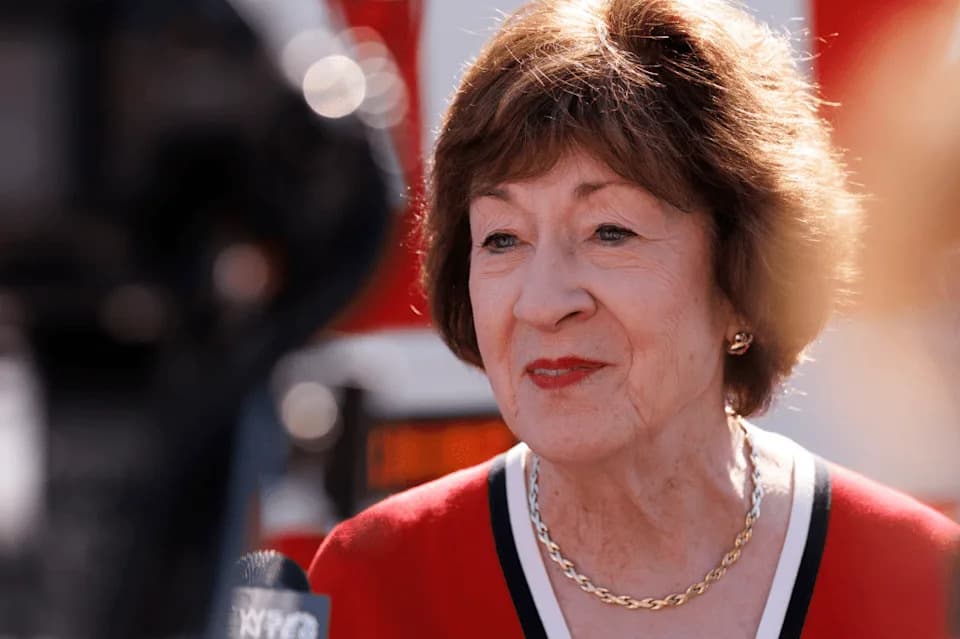
Maine. Polling finds Democrat Troy Jackson narrowly leading Senator Susan Collins, 48% to 46%, while the Democratic Party’s favorability is 44%–54%. Though Jackson’s margin may be fragile given his late entry, the result suggests local dynamics can override national impressions.
North Carolina. Earlier this summer Fox showed former governor Roy Cooper leading GOP nominee Michael Whatley, 53% to 44%, while the state’s Democratic Party favorability measured 43%–56%.
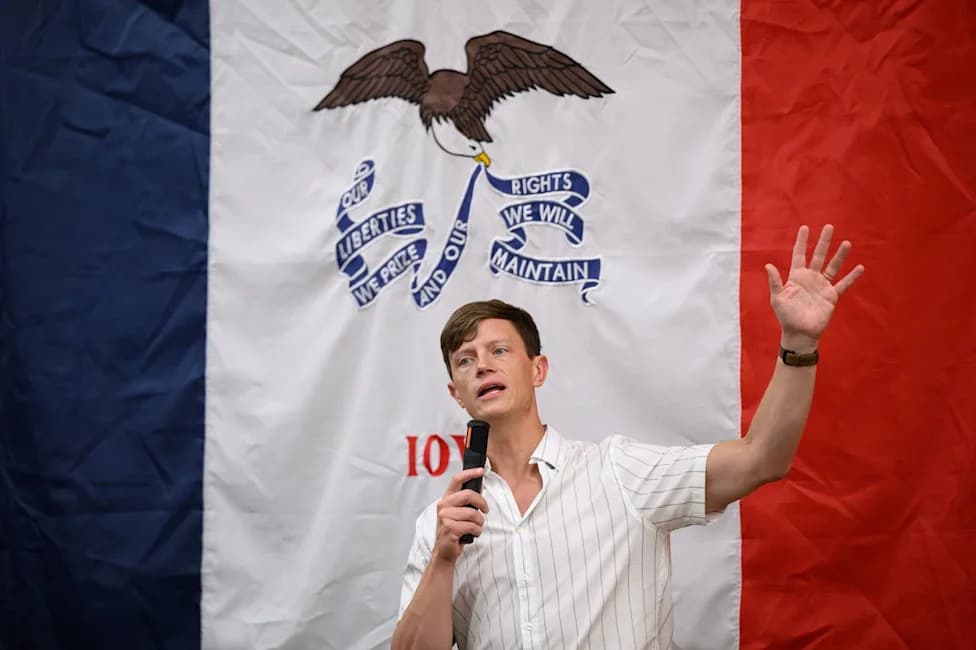
Iowa. Fox’s Iowa survey reports Democrat Josh Turek ahead of Representative Ashley Hinson, 50% to 46%. The poll did not include a party‑favorability figure but found only 36% view Turek as "too liberal," compared with 60% who do not.
Michigan — The Exception. Fox’s Michigan poll shows Democrat Abdul El‑Sayed trailing Republican Mike Rogers, 47% to 51%. El‑Sayed still outperforms his party (43% favorable to 56% unfavorable), but not by enough to lead. The poll highlights several challenges: El‑Sayed wins about 75% of Black voters, 54% of respondents see his positions as too extreme, and he trails working‑class voters by roughly 10 points.
Trump’s Mixed Ledger
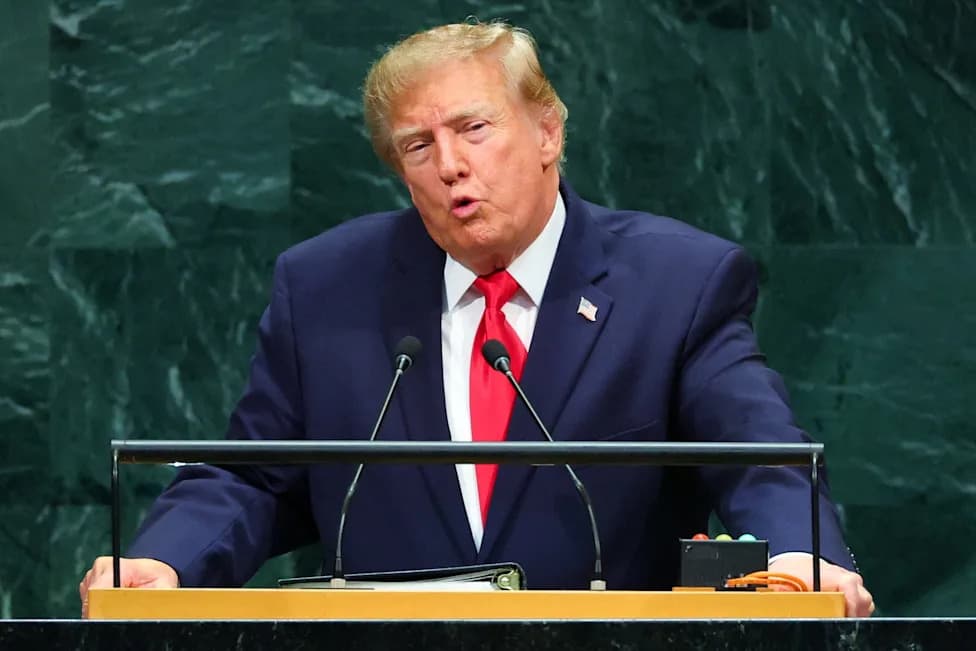
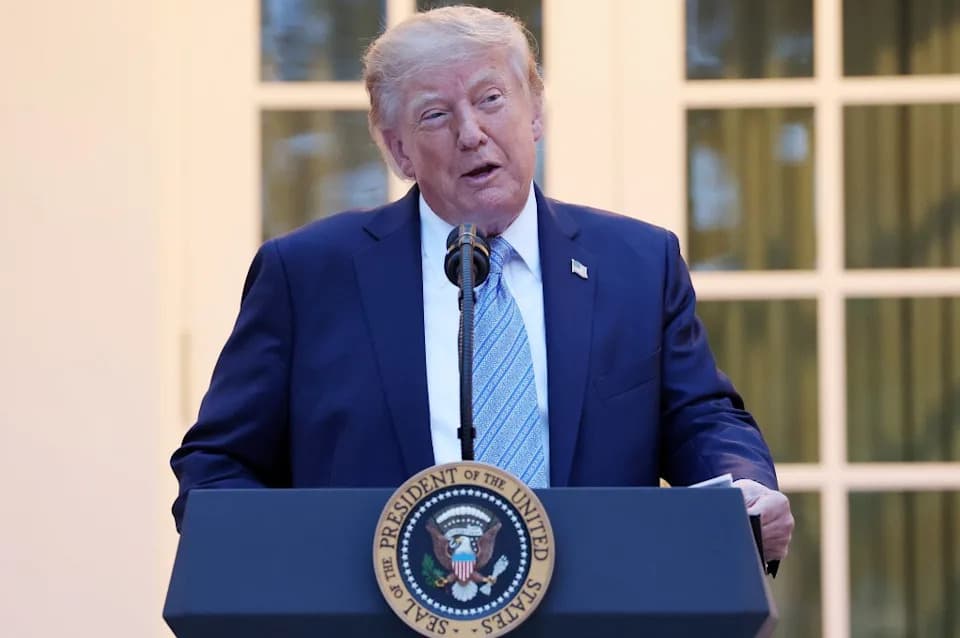
Across these surveys, Donald Trump’s net favorability is deeply negative: Ohio (-14), Texas (-9), Iowa (-13) and North Carolina (-19). In several states he is dramatically underwater with independents — in some polls by margins approaching 50 points. In Maine, 55% of respondents say Senator Collins votes with Trump too often.
That pattern suggests a provocative possibility: Trump himself may be a larger drag on Republican prospects in these states than the Democratic Party is on its nominees. Many Democratic strategists argue their Senate and Senate‑adjacent candidates have strong local brands that can insulate them from national headwinds; Fox’s polls provide early evidence that this is happening in multiple races.
Caveats And Implications
These are single poll results from one network’s polling operation and many factors will shape outcomes before Election Day. Control of the Senate remains uncertain. Still, the recurring theme — candidates building personal appeal distinct from their party’s national standing — is worth noting. If Trump’s unfavorable ratings persist or deepen, Republican candidates could face an uphill climb even in states he previously won comfortably.
Disclosure: Polling is a snapshot, not a prediction. Fox’s own internal dynamics may also affect how these results are reported to viewers; previous reporting has shown the network sometimes downplays poll findings that reflect poorly on favored figures.
Help us improve.