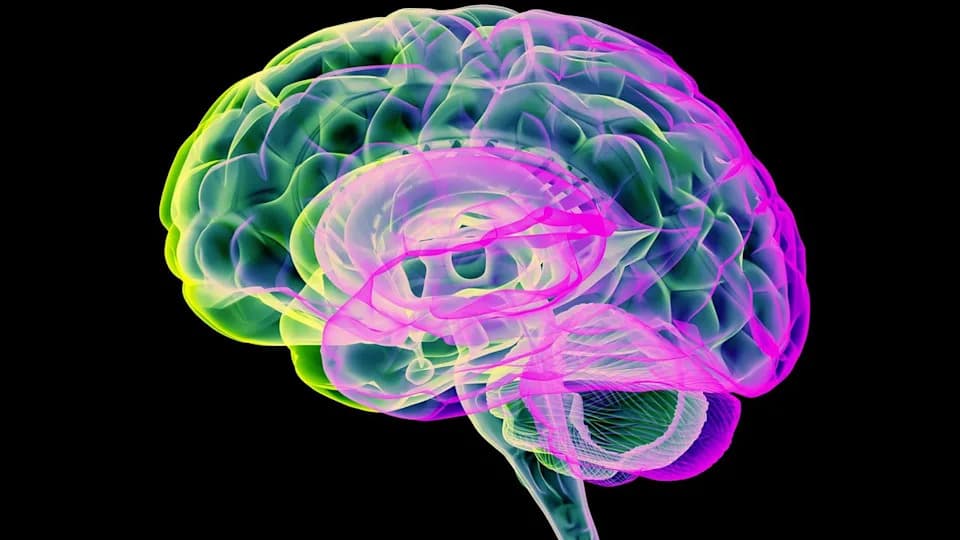
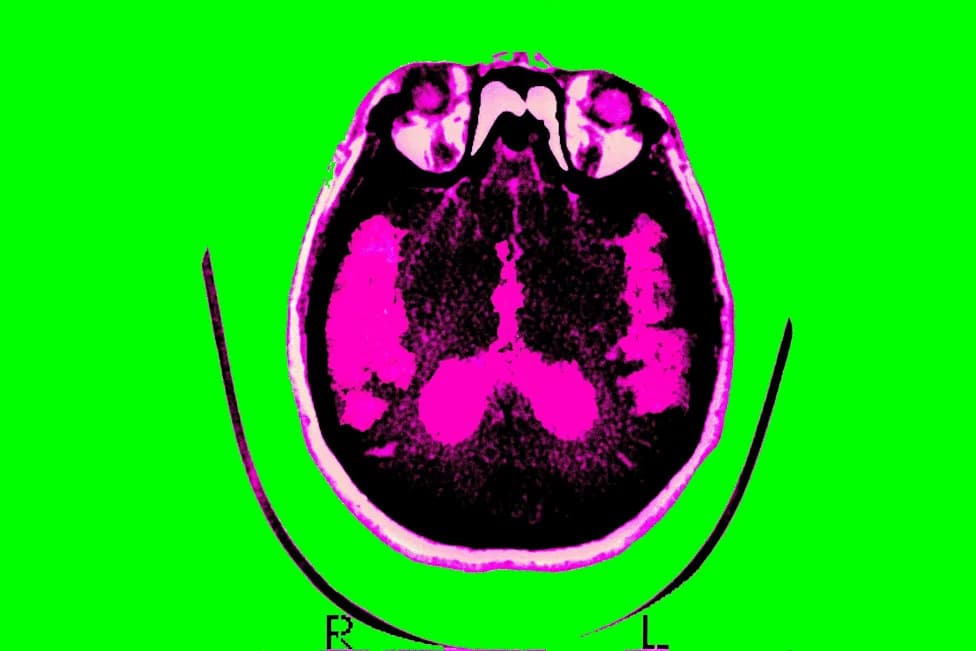
Researchers analyzing brain autopsies from more than 5,000 women with prior hysterectomies found that estrogen-only therapy at menopause was associated with 35% lower odds of Alzheimer’s pathology, including amyloid plaques. The study used objective neuropathological endpoints rather than cognitive ratings, strengthening the biological signal. Findings are observational and do not prove causation; authors call for longitudinal trials that track formulation, timing and duration as well as biomarkers and brain imaging starting in perimenopause.
Estrogen-Only Therapy at Menopause Tied to 35% Lower Odds of Alzheimer’s Brain Changes, Autopsy Study Finds
—Lucy Lambriex—Getty Images
New research published in the journal Neurology strengthens the idea that the drop in estrogen after menopause may contribute to the higher rates of Alzheimer’s disease seen in women. Investigators reviewed medical records and brain autopsies from more than 5,000 older women who had previously undergone hysterectomy and were deceased at the time of examination. They report that women who had received estrogen-only hormone therapy around menopause had 35% lower odds of having neuropathological hallmarks of Alzheimer’s disease — including amyloid plaques — compared with women who did not receive estrogen.
Objective Neuropathology and Why It Matters
Because the study used autopsy-confirmed brain pathology as its primary outcome, the results rely on objective, definitive measures of Alzheimer’s disease rather than on clinical ratings or cognitive tests alone. Jennifer Bruno, an instructor in psychiatry at Stanford University and a co-author, says that neuropathology provides clearer diagnostic endpoints than prior studies that used cognitive decline or dementia ratings.
Who Was Studied
The analysis focused on women who had hysterectomies and therefore could be prescribed estrogen without progesterone. Progesterone or progestin is commonly added to hormone therapy to protect the uterus; because this cohort did not require it, researchers could better isolate associations with estrogen itself, which is thought to have broad effects on brain biology.
Limitations and Caution
Although the association is noteworthy, the study is observational and does not prove that estrogen prevents Alzheimer’s disease. The researchers did not have complete, standardized information on exactly when women began estrogen therapy, which estrogen formulations were used, or how long therapy continued — all factors that could affect outcomes. Hadi Hosseini, an associate professor of psychiatry at Stanford and co-author, emphasizes that these data justify further study but do not establish causation.
Key caveat: Previous large trials, including the Women's Health Initiative (WHI), reported different results — in part because they enrolled postmenopausal women and primarily evaluated combined estrogen-plus-progestin regimens rather than estrogen alone.
Next Steps Suggested by Authors
The authors recommend carefully designed follow-up research, including longitudinal trials that enroll women in perimenopause and follow them through menopause while tracking Alzheimer’s biomarkers in blood and cerebrospinal fluid as well as brain imaging. Comparative studies should also evaluate different hormone formulations, timing of initiation (for example, perimenopause versus later), and duration of use to determine whether and under what conditions estrogen might influence long-term Alzheimer's risk.
Clinical takeaway: These findings are not a recommendation to start or stop hormone therapy. Women should discuss risks and benefits of hormone treatments with their clinicians, taking into account personal medical history and current guidelines.
Help us improve.