The commercial shipping sector and marine scientists are forging unexpected but effective partnerships to monitor plastic pollution across the world’s oceans. By turning merchant vessels into data-collection platforms, organisations and companies are mapping floating plastic at scales that were previously difficult or expensive to cover.
ADIS: AI Cameras Onboard Commercial Ships
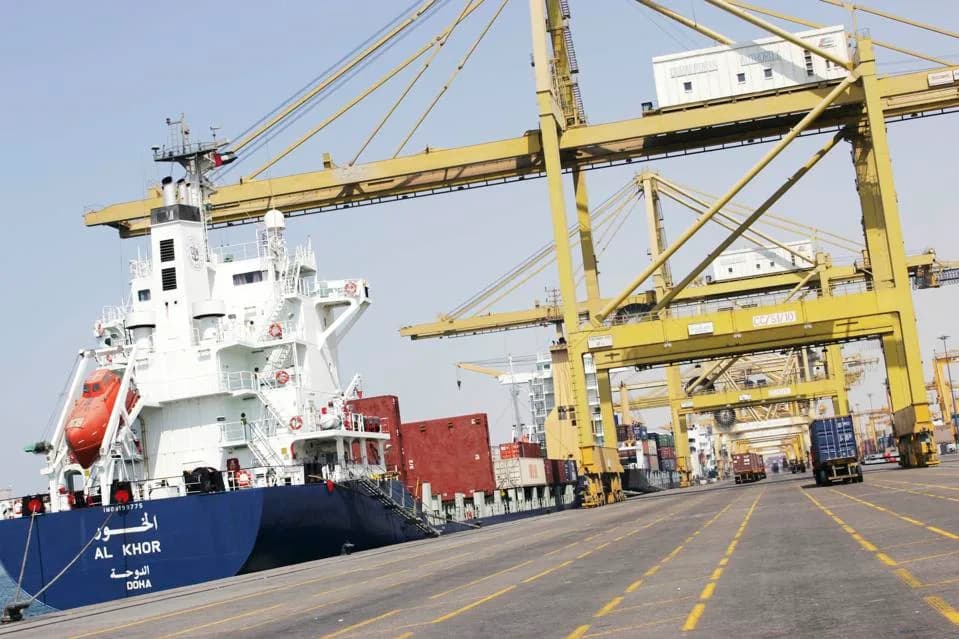
The Ocean Cleanup has partnered with major shipping firms to deploy the Automated Debris Imaging System (ADIS), an AI-driven camera system mounted on commercial vessels. The purpose-built, plug-and-play ADIS 2 units were developed with industry partners to run unobtrusively while ships follow routine routes across major ocean basins.
The system performs initial image processing on board at roughly one frame per second and retains only items the algorithms flag as relevant. Those selected objects are compressed and stored for multiple ocean crossings. During post-processing, individual sightings are grouped into segments and aggregated into zonal cells to produce consistent, comparable maps of surface plastic concentrations.
Deployment, Partners and Reach
As of now, 22 commercial vessels carry ADIS cameras, and the programme aims to roughly double that number within a year. Partner companies include global operators such as Hyundai Glovis, whose manager Yonguk Choi highlights the industry’s unique, daily reach across the world’s seas. Other collaborations include a 2021 research partnership between Kawasaki Kisen Kaisha (K Line) and the Tokyo University of Marine Science and Technology, which used K Line ships to collect seawater samples and study plastic particulates.
“We imagine there will be many years, potentially decades of monitoring, which will allow us to observe plastic concentration trends, the state of the ocean and plastic pollution levels,” said Robin de Vries, ADIS lead at The Ocean Cleanup.
Why This Matters
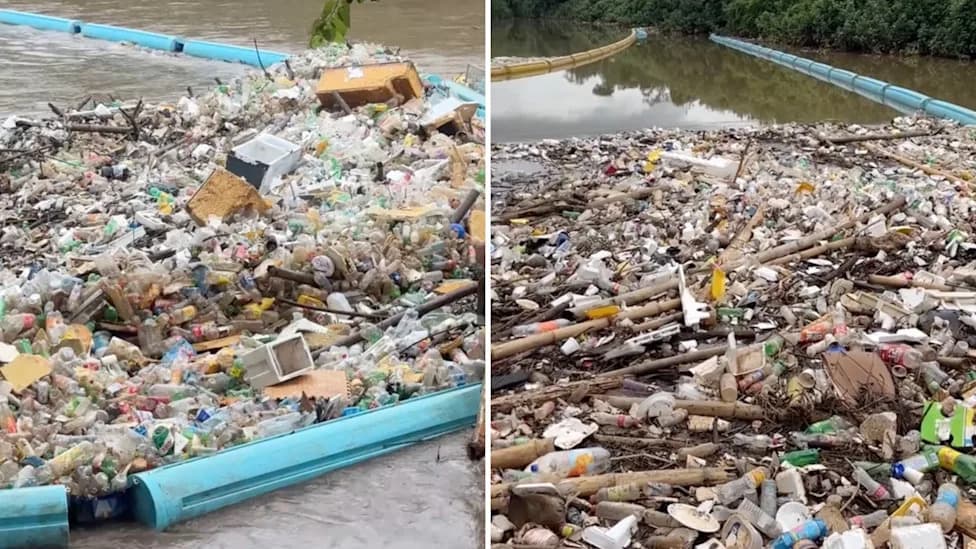
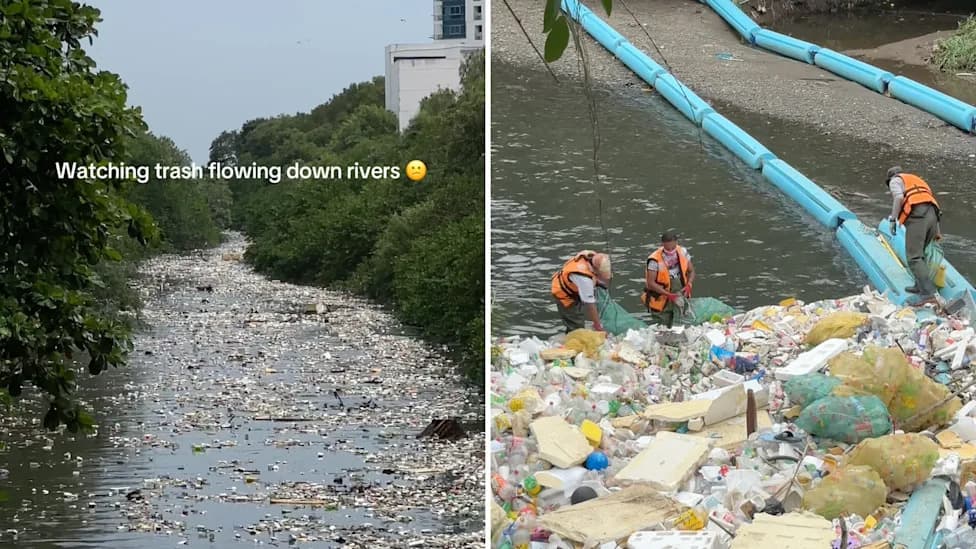
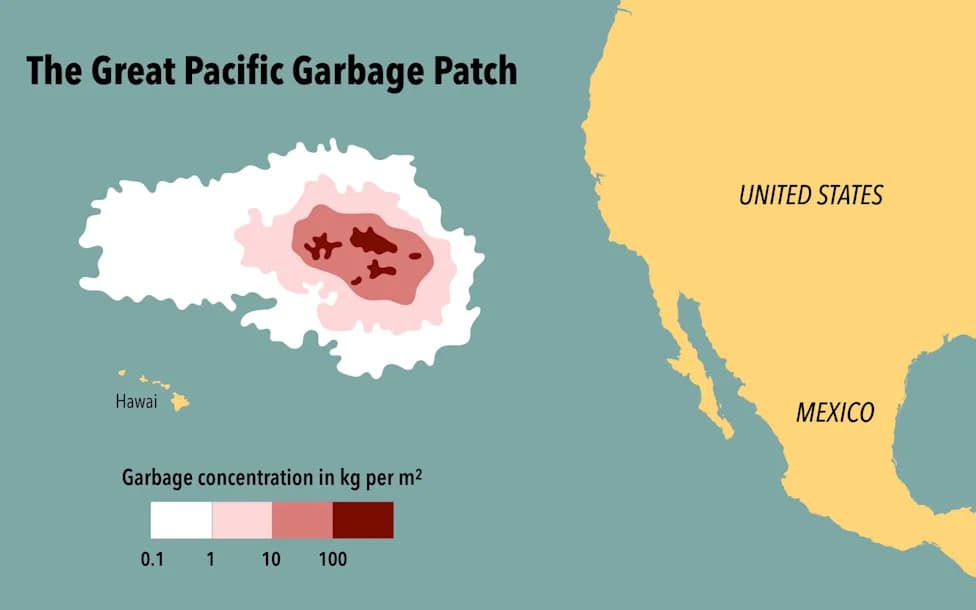
ADIS is optimised to detect larger floating plastic items on the sea surface over extended periods, and — crucially — to collect data in remote regions that have been sparsely sampled until now. Early results show plastic distribution is not a single, uniform mass (for example, the Great Pacific Garbage Patch) but a mosaic of dense patches and relative voids. Long-term, consistent monitoring will help target clean-up efforts, evaluate anti-pollution measures, and improve scientific understanding of ocean plastic dynamics.
Shipping operators interested in contributing to the network are encouraged to contact The Ocean Cleanup to explore installation and data-sharing options.
Note: This article summarises reporting published originally on Forbes.com and includes quotes and facts provided by The Ocean Cleanup and partner companies.