The Conversation analysis argues that Britain’s wildfire threat is driven more by degraded, dried peatlands than by rewilding. Restoring peatland hydrology—blocking drains, reintroducing Sphagnum and rewetting bogs—can rebuild natural fire defenses and reduce fire severity. Re-meandering rivers, restoring wetlands and encouraging mixed grazing and broadleaf woodland also make landscapes less uniformly flammable. Studies from Scotland and Spain show wetter, restored peatlands and broadleaf forests suffer lower burn severity.
Not Rewilding, But Degraded Peatlands: The Hidden Driver of Britain’s Wildfires
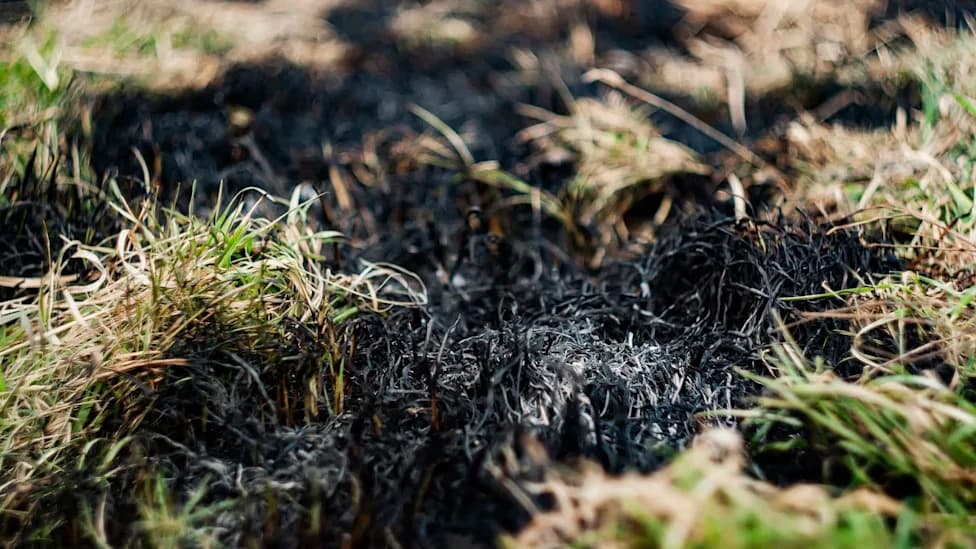
Photo Credit: iStock
Britain’s increasing wildfire risk may owe less to landscapes being “too wild” and more to upland peatlands that have been drained, overgrazed, polluted and repeatedly burned—leaving them drier, simplified and far easier to ignite.
Why these landscapes burn so badly
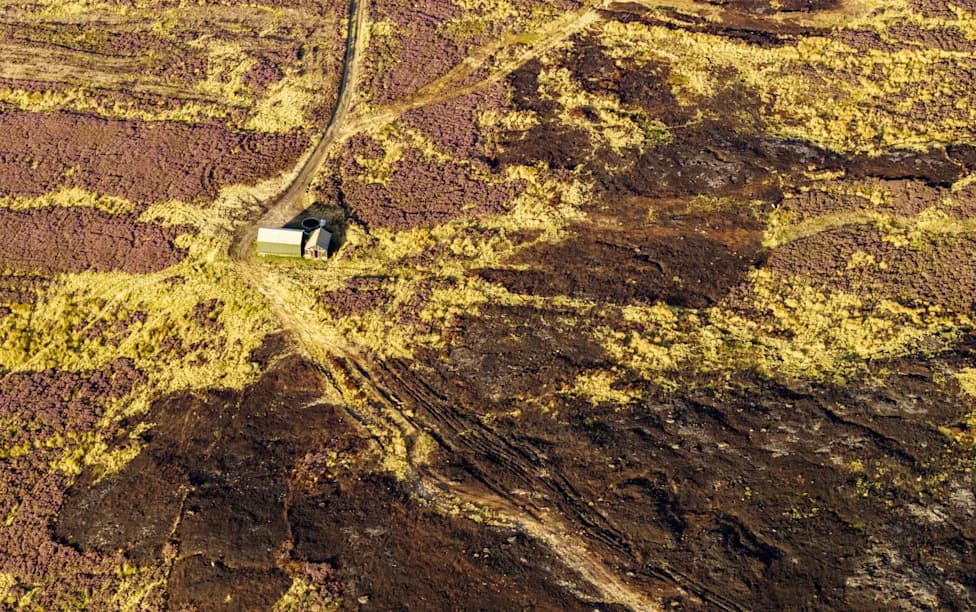
An analysis published in The Conversation argues that almost every wildfire in Britain is started by people, but how large a fire becomes depends critically on the terrain it moves into. Many upland moors long assumed to be ancient and stable have been reshaped by human activity. Drainage, heavy grazing, pollution and repeated burning have stripped peatlands of their natural, water-retaining vegetation and structure.
Nearly 80% of England’s peatlands are now dry and degraded, and only about 1% are mainly covered by water-holding Sphagnum mosses. In those conditions, dried heather can carry flames rapidly across the surface while very dry peat can allow fires to burn down into carbon-rich ground—making blazes deeper, harder to extinguish and much more damaging.
Broader consequences
Wildfires in degraded peatlands do more than blacken moorland. As fires grow they can threaten homes, disrupt recreation, foul air with smoke, devastate wildlife habitat and release carbon long locked in peat back into the atmosphere. Peat fires are especially troubling because peat stores large carbon reserves and helps the land retain water. Once peatlands dry enough to burn, the damage can be deep, persistent and costly to repair.
Nature-based solutions to reduce fire risk
The Conversation’s analysis emphasizes that restoring natural hydrology and ecological diversity can rebuild what it calls "nature’s fire defences." Core measures include:
- Bog Restoration: Blocking drains, re-covering exposed peat and reintroducing Sphagnum moss to keep the ground wetter and less flammable.
- Re-meandering Rivers and Reconnecting Floodplains: Restoring wet corridors, wetlands and ponds so damp river margins interrupt or slow fire spread.
- Natural Water Retention: Examples such as six beaver dams in the North York Moors show how small-scale natural features can increase water storage and maintain dry-season flows.
- Mosaic Vegetation and Broadleaf Woodland: Mixed grazing regimes that produce patchy vegetation and restoring broadleaf woodland diversify fuels and reduce continuous burnable surfaces.
Evidence from the field
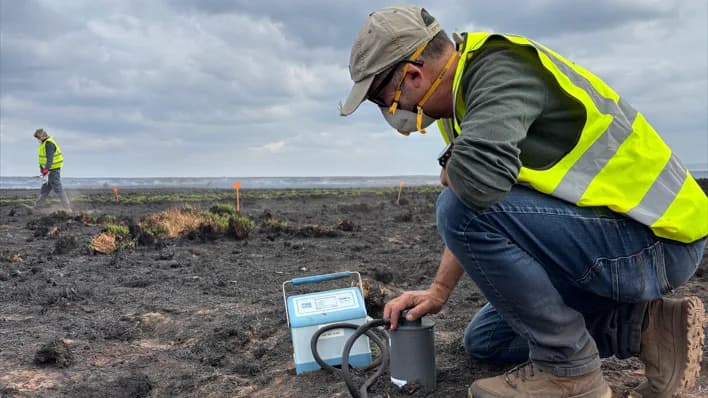
Post-2019 wildfire analysis in Scotland found the most severe burning occurred on degraded peat, while wetter, restored peatlands fared much better. International research also supports these findings: a Spanish study of more than 26,000 wildfires reported that broadleaf woodland was the least likely to ignite and cut modeled fire intensity by roughly five times even under extreme fire weather.
“English native woods burn like wet asbestos.” — Oliver Rackham
That observation captures the central point: wetter, structurally diverse landscapes resist fire far better than uniformly dry, simplified ones.
What this means for policy and communities
For residents, land managers and emergency responders, the message is clear: climate change is making fire weather more extreme, and landscapes already simplified by human activity will be less able to slow, absorb or contain fires. Managing uplands for resilience—through rewetting, habitat restoration, diversified grazing and woodland recovery—can reduce the size and severity of future blazes while delivering multiple benefits for biodiversity, carbon storage and flood resilience.
Bottom line: Restoring peatland hydrology and increasing ecological diversity are practical, evidence-backed ways to reduce Britain’s wildfire risk—rather than assuming that rewilding itself is the cause.
Help us improve.