Experts warn record river temperatures and drought have driven oxygen levels down across UK rivers, creating lethal conditions for wild Atlantic salmon. Sensors recorded 27.7°C on the Wye and nearly 25°C on the Tweed, and some rivers are now warmer than at any time in decades. Studies show salmon returns have fallen to as low as 1% in places, prompting rescues and calls for temporary angling closures and urgent river protections.
Wild Salmon Facing Mass Deaths As Rivers Reach Record Heat — Urgent Protections Urged
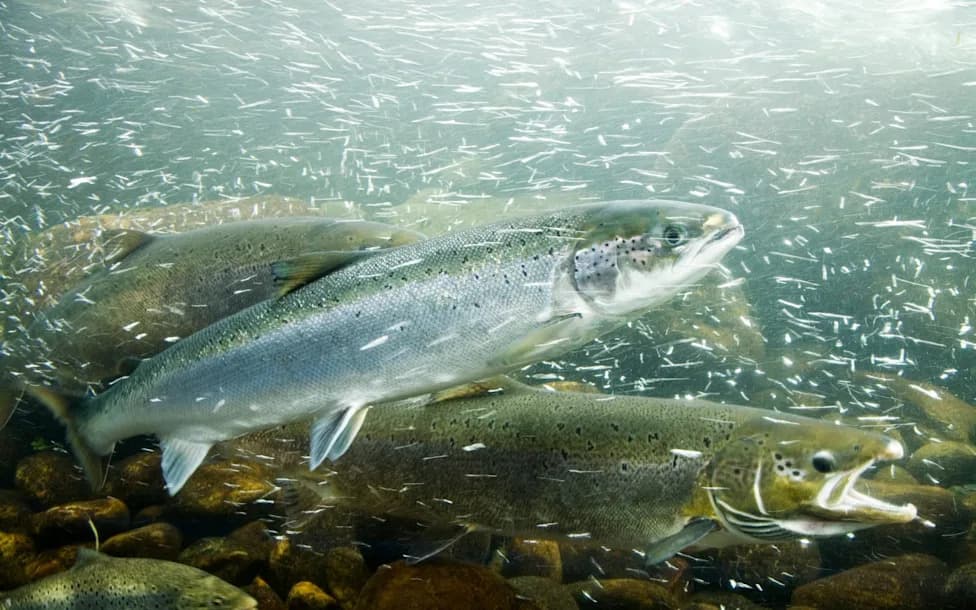
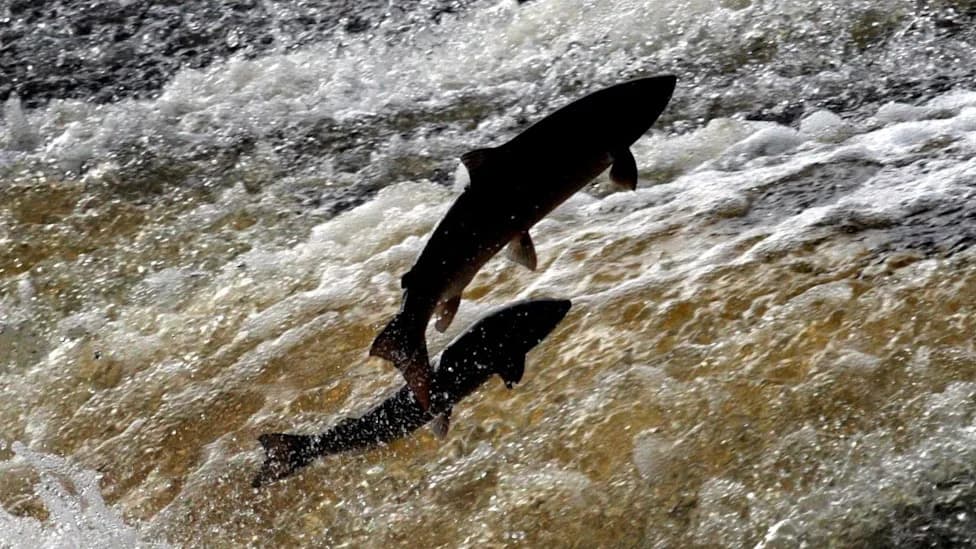
Atlantic salmon 'could be completely gone from our rivers' within 30 years, campaigners warn - Westend61/Getty Images
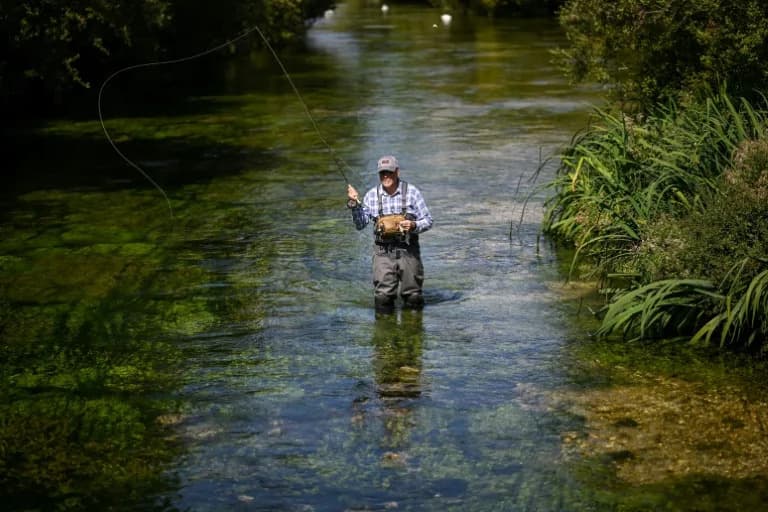
Experts, anglers and conservation groups warn that a succession of heatwaves and drought have pushed river temperatures and dissolved-oxygen levels to dangerously low levels across England and southern Scotland, putting wild Atlantic salmon at acute risk.
Rising Temperatures And Falling Oxygen
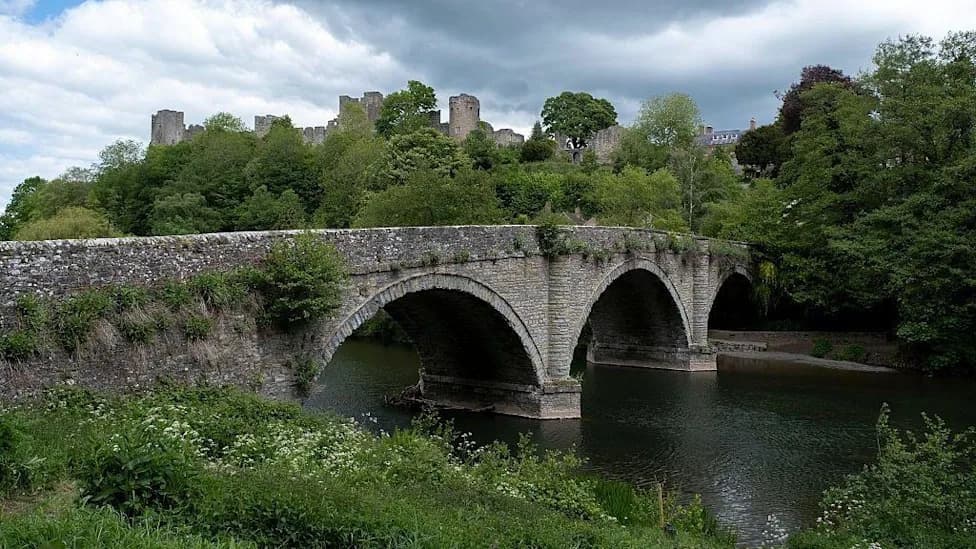
Environment Agency sensors recorded 27.7°C on the River Wye at the end of June — 3.7°C warmer than the same time last year and 1.2°C above the river's previous record. Live data also showed the River Tweed approaching nearly 25°C in July, with temperatures rising again this month.
Why This Threatens Salmon
Cold-water fish such as salmon and trout require cool, well-oxygenated water. Low dissolved oxygen combined with high temperatures causes heat stress and suffocation. Lower river flows also prevent adult salmon from reaching the cooler, upstream spawning grounds they need to reproduce.
Feargal Sharkey, campaigner and former musician, warned: “When river temperatures rise to over 20°C, you're in the kill zone. There have been a number of fish kills already. These heatwaves could be the final nail in the coffin.”
River keeper Donny Donovan said the Test in Hampshire is now warmer than he has observed in six decades: “It's fatal for salmon. When they swim up into the river from the sea, they are coming into what is in effect a warm bath.”
Evidence Of Decline And Rescue Efforts
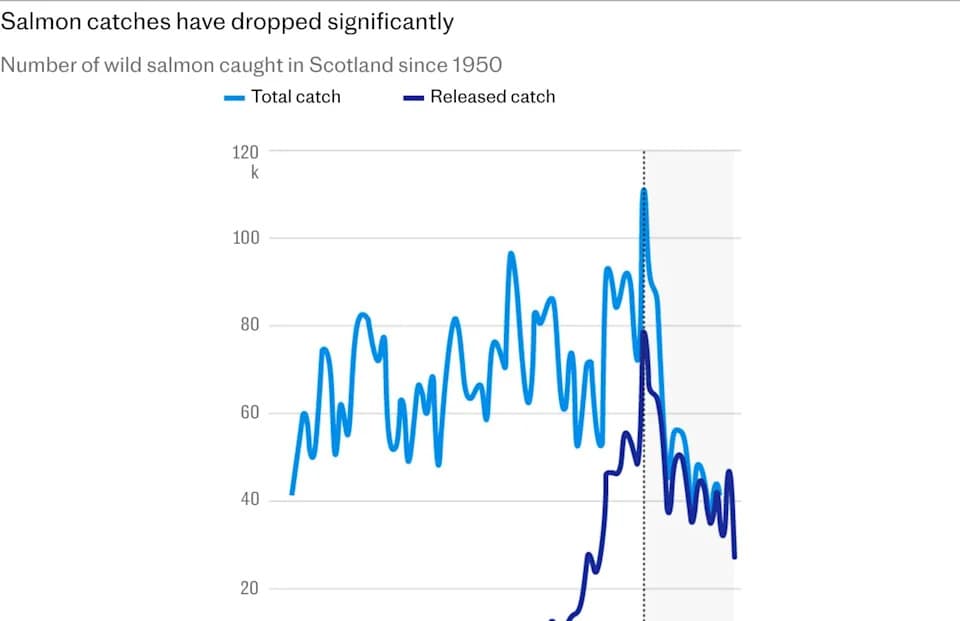
The Game & Wildlife Conservation Trust, which monitors thousands of wild fish, reported in a recent study that survival rates for Atlantic salmon have fallen dramatically, with as few as 1% of some river populations returning to spawn. The trust previously warned that salmon could disappear from UK rivers within decades if trends continue.
So far this year, the Environment Agency has recorded nearly 160 incidents resulting in thousands of dead fish — driven by algal blooms, low oxygen and pollution. Officials and volunteers have also carried out dozens of rescues, moving trout and salmon from shallow, rapidly warming pools to safer waters. Last month, salmon were rescued from oxygen-depleted pools on the River Teme, a Severn tributary in Wales.
Mark Owen, head of fisheries at the Angling Trust, said: “Low river flows prevent adult salmon from reaching the cooler water and spawning grounds they need. For a species already in crisis, these conditions can be the difference between survival and death.”
Nick Measham, chief executive of WildFish, stressed the importance of rescues: “If those fish hadn't been rescued, they would have died.”
Wider Context
Global ocean temperatures also reached a July record, with the Copernicus Climate Change Service reporting 20.96°C outside polar regions — part of the broader warming trend affecting freshwater and marine ecosystems.
Campaigners are calling for urgent measures to protect vulnerable river stretches: temporary angling closures, management of flows and riparian shading to cool water, stricter pollution controls, and long-term river restoration to increase resilience to heat and drought.
Help us improve.