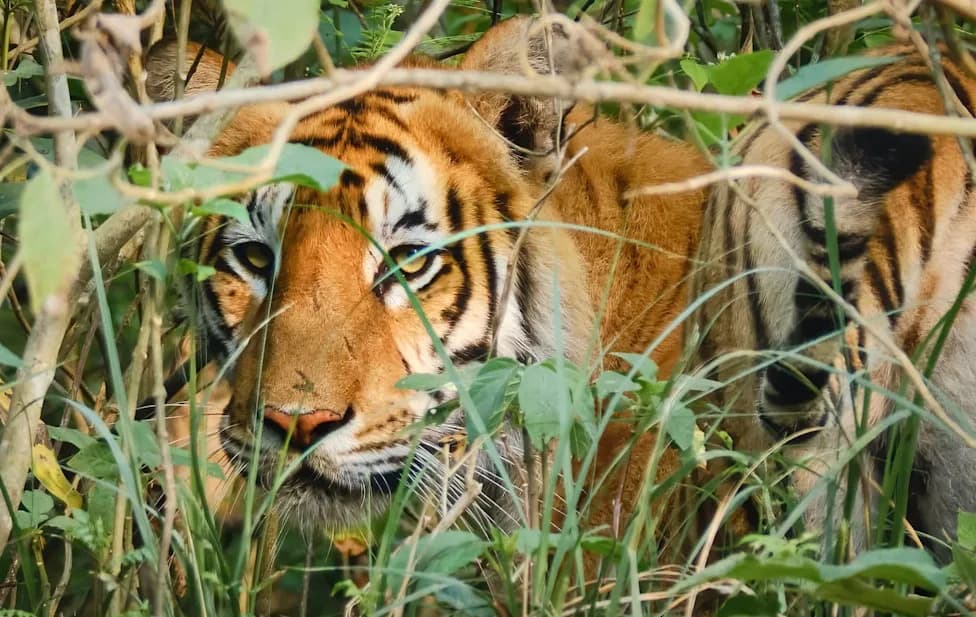
On July 31, an Amur tigress named Umit was released into Kazakhstan’s Ile-Balkhash State Nature Reserve, the first confirmed wild tiger in the country in over 70 years. Footage shows Umit bolting from her transport enclosure and moving into nearby grasslands. Fitted with a satellite collar, she will be closely monitored during the critical first months as conservationists evaluate how the reintroduction affects local ecosystems and communities. The release is part of broader rewilding efforts aimed at restoring predator-driven ecological processes around Lake Balkhash.
Umit the Amur Tigress Reintroduced to Kazakhstan — First Wild Tiger in 70+ Years
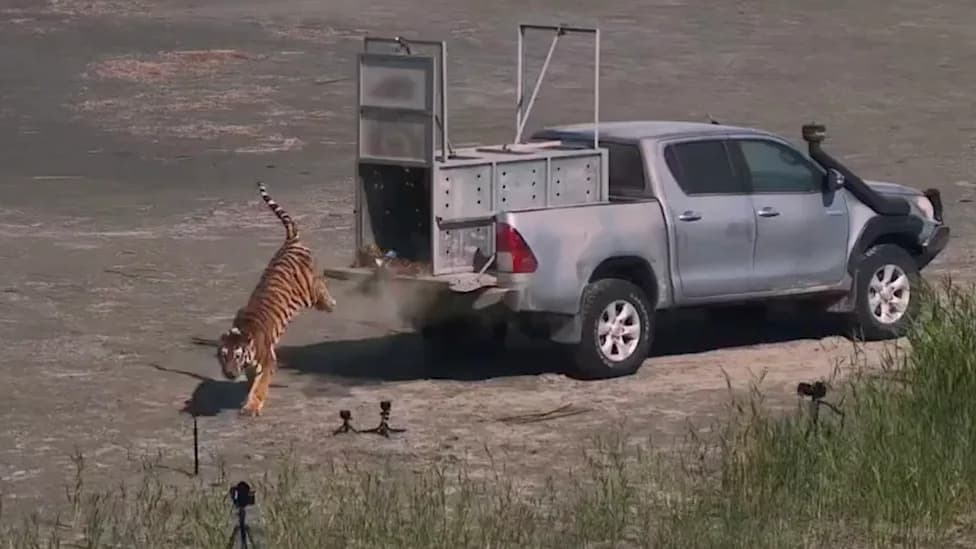
Photo Credit: Reddit
On July 31, an Amur tigress named Umit — whose name means “hope” in Kazakh — was released into Kazakhstan's Ile-Balkhash State Nature Reserve. This marks the first confirmed presence of a wild tiger on Kazakh soil in more than 70 years.
Video footage credited to wildlife photographer and researcher Saltore Saparbayev shows Umit bolt from her transport enclosure and quickly move into nearby grasslands. The clip was subsequently shared on Reddit, where observers highlighted the historic nature of the reintroduction.
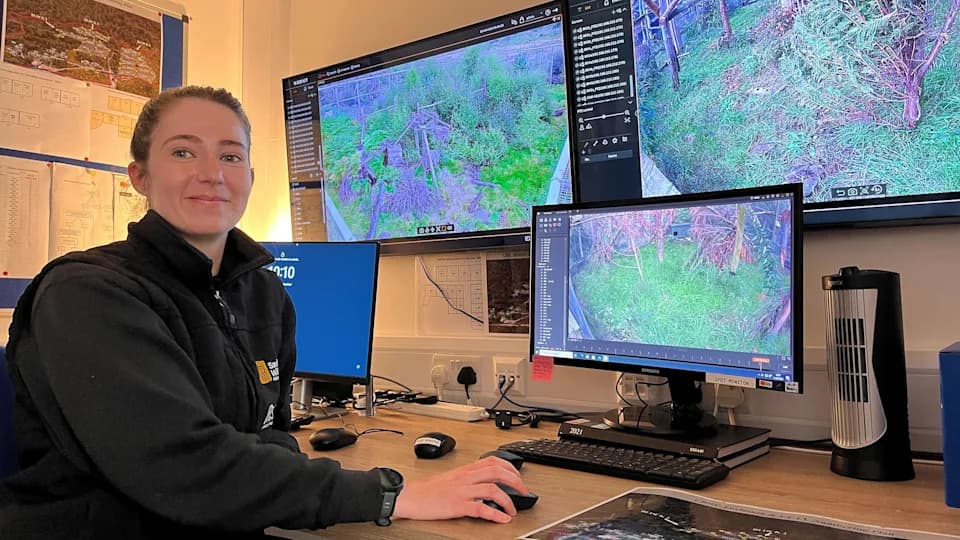
Conservation teams fitted Umit with a satellite collar so researchers can track her movements and monitor how she adapts during the critical early months. Experts note this period will test her ability to find prey, water and suitable territory.
The release site lies within part of the former range of the Caspian (Turanian) tiger, a subspecies that disappeared from the region in the 20th century. Kazakhstan’s initiative is an initial step in broader rewilding plans intended to restore predators and boost ecosystem resilience around Lake Balkhash.
Ecological and Local Impacts
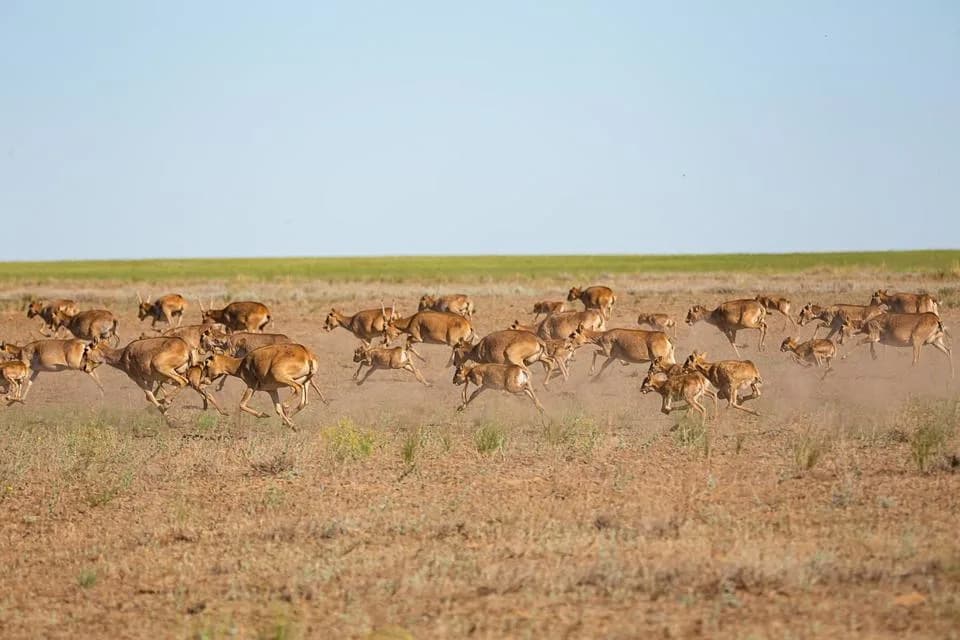
As an apex predator, Umit could alter prey populations and their behavior, producing cascading ecological benefits for grasslands, wetlands and forests. Healthier ecosystems may support greater biodiversity, improved habitat resilience, enhanced conservation research and potential sustainable ecotourism opportunities for local communities.
“The first few months are a critical test of survival; the tiger must navigate unfamiliar terrain, identify new prey species, and map out vital water sources and hunting grounds.”
Officials say Umit is the only tiger released so far, though additional reintroductions may follow as the program develops. Teams will continue satellite tracking, field surveys and community engagement to assess Umit’s health, hunting success and interactions with people and livestock.
Monitoring And Next Steps: Ongoing tracking and adaptive management will guide future releases and efforts to balance species recovery with local safety and livelihoods.
Video and images courtesy of Saltore Saparbayev.
Help us improve.