Investigative reporting by Flatwater Free Press and ProPublica found that many residential yards in east Omaha have lead levels above the EPA's 400 ppm cleanup benchmark, but homeowners seeking help received inconsistent responses. Nearly 14,000 yards across a 27-square-mile area have had soil replaced since 2009; remaining cleanup responsibility was shifted to the City of Omaha in 2015. Residents report confusing eligibility decisions even when independent tests show high lead or children's blood tests indicate exposure. City officials say testing and cleanup are limited to Superfund boundaries unless the EPA approves work beyond them.
Investigation: High Lead Levels Found in Omaha Yards — Cleanup Efforts Uneven and Inconsistent

Photo Credit: iStock
An investigation by Flatwater Free Press and ProPublica found that soil in numerous residential yards in east Omaha, Nebraska, exceeded the Environmental Protection Agency's long-standing cleanup benchmark for lead. When homeowners asked for help, the responses from federal and local authorities varied widely, leaving some families without clear recourse.
East Omaha has long battled pollution tied to a former lead smelter and other industrial sites. Across a roughly 27-square-mile area, nearly 14,000 yards have had contaminated soil removed since the EPA adopted a 400 parts-per-million (ppm) cleanup threshold in 2009. The Superfund cleanup began in 1999, and in 2015 the EPA transferred responsibility for remaining remediation work to the City of Omaha.
Patchwork Responses, Property By Property
Despite large-scale remediation, homeowners who received independent soil tests showing elevated lead say follow-up action has been inconsistent. Decisions are handled case-by-case, and residents report unclear or conflicting explanations about eligibility for further sampling or soil replacement.
For example, Peter Olson — whose yard had already been cleaned once — was offered testing only for a small backyard patch where a deck had stood. The EPA did not explain why other portions of his yard, including areas with high lead readings, were considered ineligible for additional work. By contrast, Mary Royers was told testing could cover her whole yard after demolition of a shed and construction work possibly exposed buried contamination.
"EPA strives to be fair and equitable in its decision-making process while adjusting to changes in agency policies, funding, and cleanup approaches," EPA spokesperson Kellen Ashford said in an email to the outlets, noting that new sampling decisions often hinge on whether construction or demolition altered site conditions.
Families Left Worried
Independent testing found some properties outside the official Superfund boundary with lead levels high enough to qualify for remediation. Amy Haney, who lives about a half-mile outside the Superfund boundary, received independent results showing nearly 1.5 times the level that would make her property eligible for cleanup; the city said the EPA would retest her home. Another resident, who gave her first name only, Sabrina, reported that doctors found lead in three of her children, yet the city declined a new soil test because it said there had been no construction disturbance on the property.
"I felt like that was kind of a lazy response," Sabrina told Flatwater Free Press and ProPublica.
Steve Zivny, director of Omaha's Lead Information Office, said the city can test and remediate properties within the Superfund boundaries but needs EPA approval to work beyond them. He added the city has asked the EPA to revisit some cases, including Sabrina's, after learning of elevated blood-lead results in children.
Why This Matters
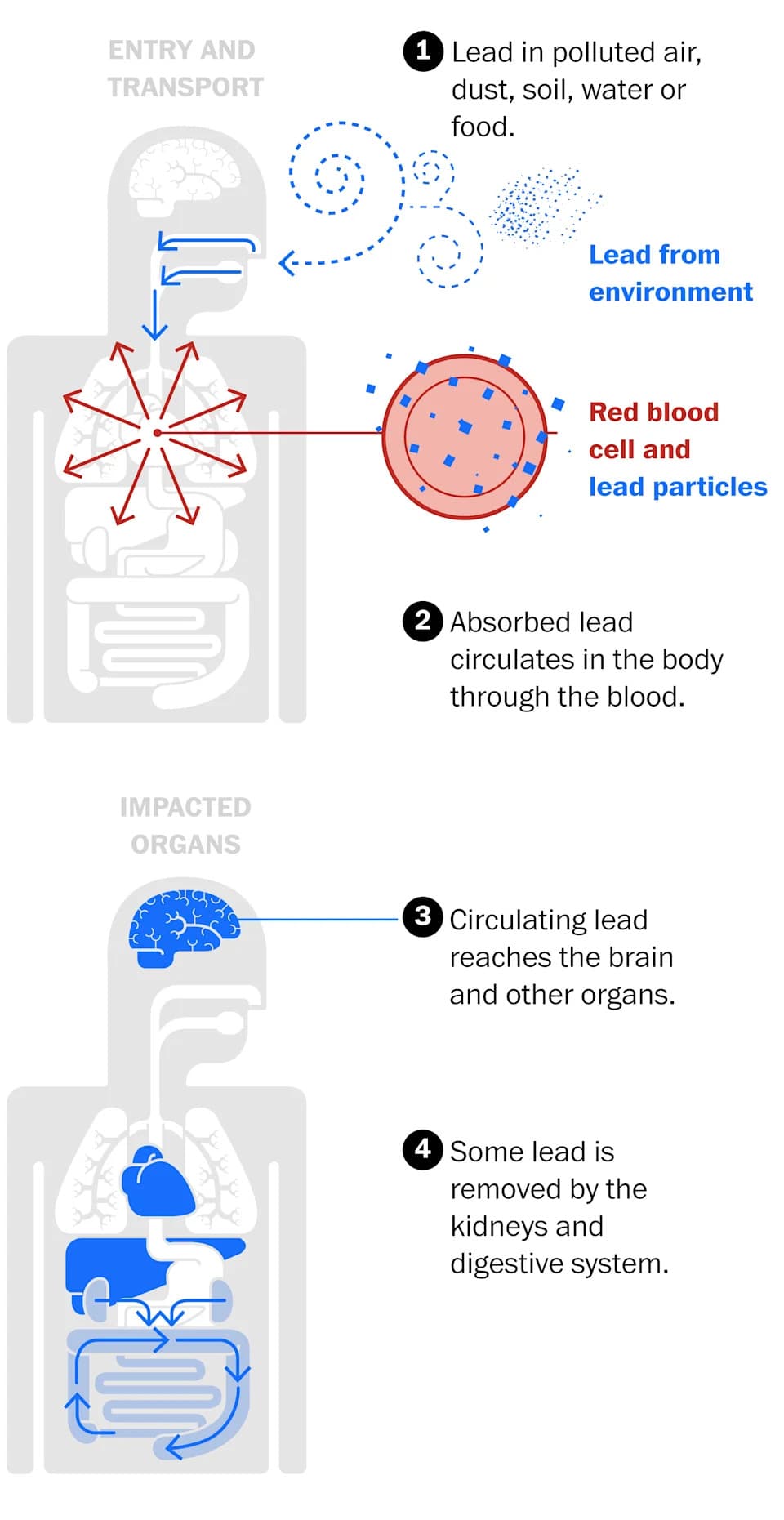
Public-health experts emphasize that lead exposure is especially harmful to children, affecting brain development, behavior and learning. Lead in soil can linger for decades, posing ongoing risks where families garden, children play and contaminated dust is tracked into homes.
What Residents Can Do
Residents living inside the Superfund area can consult the Omaha Lead Registry to view the highest lead readings recorded at their address. Homeowners with untested yards in or near the site should contact the city's Lead Information Office about sampling options. Private testing is also available: Midwest Laboratories in Omaha offers fee-based heavy-metal screening through its lawn and garden soil program.
Families who suspect exposure are urged to speak with a doctor about blood testing for children and to ask about practical steps to reduce contact with contaminated soil and dust, such as washing hands, using play areas with clean fill, and removing shoes before entering the home.
Federal policy changes in recent years have also affected how many properties qualify for cleanup, with some administrative decisions raising the threshold used to trigger remediation and thereby reducing the number of eligible properties. That shift, combined with case-by-case site evaluations, helps explain why homeowners receive different responses even when tests show elevated lead.
Help us improve.