More than 6,300 U.S. water systems missed an EPA deadline to inventory service-line materials, leaving about 3.8 million people unsure whether their taps are served by lead pipes. Inventories are a crucial first step toward the 2027 timeline for removing lead lines, but many utilities face incomplete or illegible records. Replacement costs are high and federal funds from the 2021 infrastructure law help, but communities must rely on filters and other short-term measures while records are reconstructed and replacements prioritized.
Thousands Of Water Systems Miss EPA Lead-Inventory Deadline, Leaving 3.8M People Uncertain

Photo Credit: iStock
Thousands of U.S. water systems failed to meet an EPA deadline to inventory the materials used in service lines, leaving millions of residents unsure whether their drinking water runs through lead pipes. The missing records slow planning for the nationwide effort to remove lead service lines and force households to rely on stopgap protections while utilities scramble to catch up.
What Happened
According to Associated Press reporting, the U.S. Environmental Protection Agency flagged more than 1,300 public water systems for missing the October 2024 deadline to submit inventories of service-line materials. In total, about 6,300 systems — serving roughly 3.8 million people — did not file required inventories on time. These inventories are a critical first step in identifying and prioritizing lead-service-line replacements ahead of the 2027 schedule that gives most utilities a 10-year window to complete removals.
Why It Matters
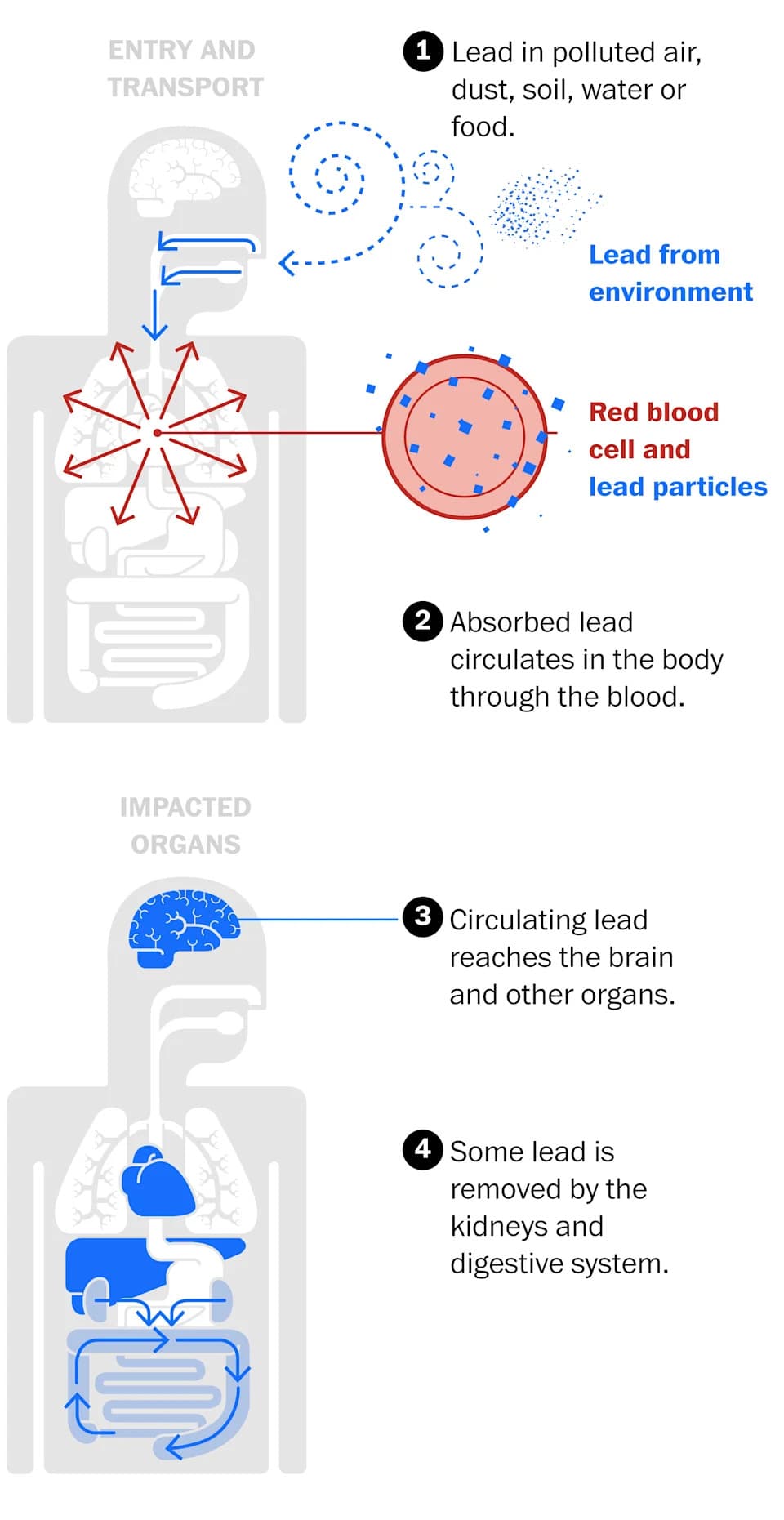
Lead is a potent neurotoxin linked to developmental delays and lower IQ in children and to higher blood pressure and other health risks in adults. The EPA estimates approximately 4 million homes and businesses remain connected to lead pipes. Without accurate inventories, cities and utilities cannot reliably prioritize replacements, and homeowners cannot know whether their tap water is potentially at risk.
Local Examples And Record Problems
Older communities, where lead lines were commonly installed from the late 1800s through the 1950s, are among the hardest hit. AP reporting shows Buffalo's records indicate about 45% of its service lines may be lead, while Fredonia reports roughly 28%. Utilities also frequently face poor or missing documentation: about 3,500 systems reported service-line material as 'unknown,' and nationwide about one in five logged lines are marked unknown.
'I just thought there was some stuff in the water that might not be great,' said Kathryn Pilgrim, a Dunkirk homeowner who replaced interior plumbing and installed a heavy-metal filter but still doesn't know whether the buried service line to her house contains lead.
How Utilities Are Responding
The EPA moved toward enforcement after outreach and assistance failed to bring all systems into compliance. Utilities are now racing to reconstruct records and inspect lines. In Chicago — the city with the most documented lead lines — crews are reviewing millions of old work orders and digging block by block to determine which connections are lead.
'We are digging through every single piece of information that we have associated with every single service line trying to find any indications of the material,' said Patrick Schwer, Chicago's water quality director.
Costs, Funding And Short-Term Protections
Replacing a single service line typically costs between $8,000 and $15,000. Most federal funding dedicated specifically to lead pipe removal flows from the 2021 bipartisan infrastructure law, but demand and backlogs mean it will take sustained effort and funding to finish the job. While inventories are incomplete, public-health experts recommend practical steps to reduce exposure: use certified, high-quality water filters that remove lead, run taps for a minute or more before use (especially after water sits idle), and always cook with cold water.
Bottom Line
The inventory requirement is designed to accelerate replacements and protect public health. Missing filings slow that progress and leave households to manage risk on their own. Accurate, complete records are essential if utilities are to meet replacement timelines and if communities are to have confidence in the safety of their tap water.
Help us improve.