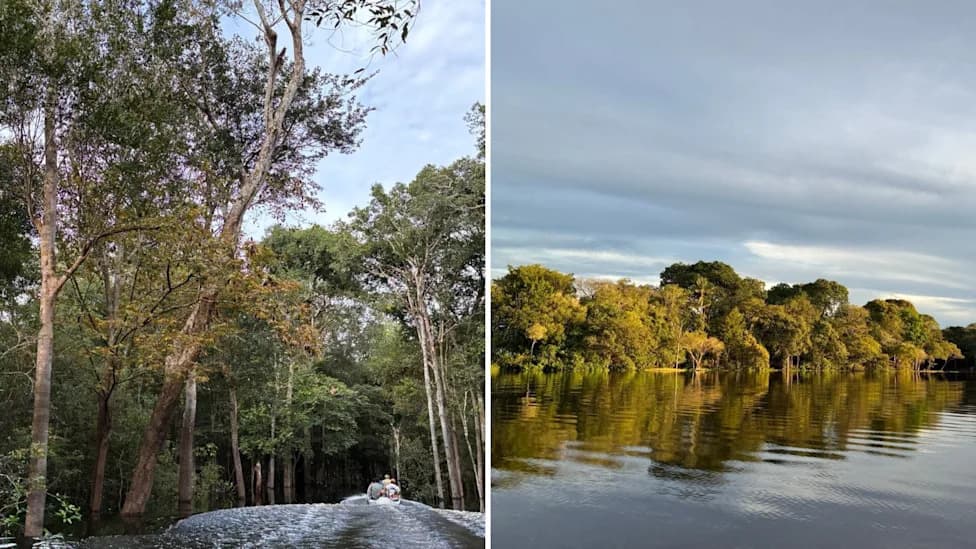
The Phoenix Species Project, a $200 million pledge from Jeff Bezos and Leonardo DiCaprio, aims to protect 100 Critically Endangered species across 30 countries. The announcement drew both praise for its targeted conservation goals and sharp criticism as potential "greenwashing," given questions about Amazon’s rising emissions and the environmental footprint of Bezos’s other ventures. Supporters stress that focused funding can save species; critics say philanthropy cannot substitute for systemic corporate and policy changes.
Bezos and DiCaprio Face Backlash Over $200M Pledge to Save 100 Critically Endangered Species
Photos active / Shutterstock
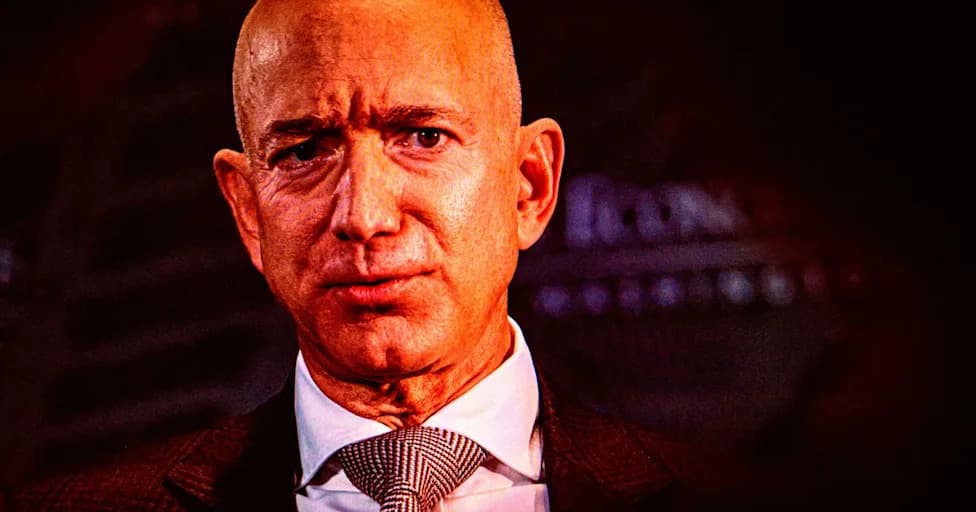
Amazon founder Jeff Bezos and actor Leonardo DiCaprio have drawn sharp criticism after announcing a joint conservation commitment intended to protect 100 of the world’s most threatened animal species.
What They Announced
The initiative, called the Phoenix Species Project, was unveiled on Leonardo DiCaprio’s Instagram account. The project pledges $200 million to support the recovery of 100 Critically Endangered species across roughly 30 countries, with the stated aim of protecting ecosystems such as forests and rivers that depend on those species.
“I could not be prouder to announce this. Save these species, and we protect everything around them. The forests, the rivers, and the climate itself.” — Leonardo DiCaprio
Critics' Response
The announcement provoked a polarized reaction. Supporters praised the targeted conservation funding, but many commentators and social-media users accused the pair of greenwashing — using high-profile donations to burnish reputations without addressing underlying business-related environmental harms.
Online critics pointed to Amazon’s growing emissions and to Bezos’s other ventures as reasons to be skeptical of the pledge’s broader intent and impact.
Context: Philanthropy vs. Corporate Footprint
Observers note this is not the first major environmental pledge associated with Bezos. In 2020, the Bezos Earth Fund announced a $10 billion commitment to biodiversity and climate efforts. At the same time, analyses cited by commentators reported that Amazon’s carbon dioxide emissions rose by about 18% between 2020 and 2021, a contrast that has fueled public debate over whether philanthropy can meaningfully offset the environmental effects of the wealth-generating businesses behind it.
Bezos’s aerospace company, Blue Origin, has also been singled out by some scientists and environmental commentators for possible impacts on the upper atmosphere, though research in this area is ongoing.
Supporters’ Perspective
Advocates of the Phoenix Species Project argue that targeted, well-managed funding can deliver measurable conservation outcomes — saving species from extinction, protecting habitats, and supporting local conservation teams. They say such projects can provide concrete wins even as broader policy and corporate changes continue to be pursued.
Why This Matters
The announcement has reignited a wider conversation about the relationship between billionaire philanthropy and corporate responsibility. Questions remain about whether donations of this scale are primarily remedial, reputational, or genuinely transformative — and whether they can coexist with meaningful reductions in the environmental footprints of the businesses that create extreme wealth.
Whatever the long-term impact of the Phoenix Species Project, the debate it sparked underscores the tensions between targeted conservation investments and calls for systemic change to reduce pollution and emissions at their source.
Help us improve.