Starwashing is the practice of using inspiring narratives about space to downplay environmental and social costs on Earth and in orbit. Critics warn it diverts attention from urgent problems like climate change while enabling satellite congestion, ozone impacts, and habitat damage. Experts urge transparent emissions and debris accounting, stronger environmental review, and independent oversight. At the same time, some space-based technologies—such as methane-monitoring satellites—have delivered clear climate benefits.
Starwashing: How Space Companies Sell Cosmic Dreams While Hiding Environmental Costs

Starwashing draws attention away from the environmental issues associated with space travel as well as the issues on Earth. | Credit: Illustration by Stephen P. Kelly / Getty Images
Space exploration captures the imagination, but some companies are using that wonder to distract from the environmental and social costs of their plans. Critics call this tactic "starwashing" — a space-age version of greenwashing — in which grand narratives about human expansion beyond Earth are emphasized while harms to Earth's environment and the space environment are downplayed or omitted.
What Is Starwashing?
Starwashing describes marketing and public-relations strategies that appeal to curiosity about the cosmos and the idea of human destiny in space, while minimizing or ignoring the short- and long-term impacts on our planet and near-Earth orbit. Marissa E. Yingling, who helped popularize the term, says companies use cosmic wonder to build support for ambitious projects without fully accounting for consequences.
Why Critics Are Concerned
Experts warn starwashing diverts attention and resources away from urgent terrestrial problems. Gregers Andersen, a researcher at the University of Southern Denmark, argues that focusing on off-world futures can reduce pressure to solve immediate crises such as wildfires, biodiversity loss, and climate change.
“Selling the dream of moving industry off Earth or building habitats in space risks ignoring the practical reforms and investments we need here at home,” analysts say.
Key Environmental Harms
Several specific environmental concerns are associated with expanded commercial space activity:
- Ozone and Atmospheric Effects: A study in Earth's Future finds spaceflight contributes to ozone depletion and warming; in some calculations nearly 88% of modeled ozone loss came from nitrogen oxides released by objects reentering the atmosphere.
- Orbital Congestion and Debris: Large satellite constellations and proposals for orbital infrastructure increase collision risk and long-lived debris that threaten both operational satellites and scientific observations.
- Dark Skies and Astronomy: Reflective satellites and dense constellations reduce the visibility of the night sky and interfere with ground-based astronomy.
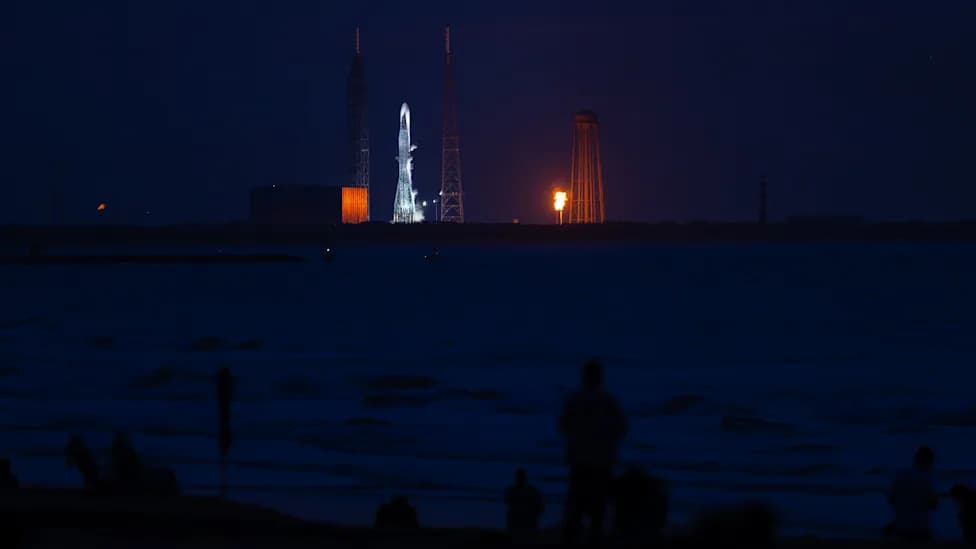
- Launch-Site Impacts: Launch facilities can damage local wildlife habitats, generate noise and pollution, and alter land use around sensitive ecosystems.
- Resource-Intensive Data Centers: Growing AI and cloud demands have driven large terrestrial data centers that require significant water and power. Proposals for orbital data centers aim to shift those burdens off Earth, but would add complexity to an already crowded orbital environment and risk more debris.
- Greenhouse Gas Emissions: Building and launching rockets and satellites produce substantial greenhouse gas emissions across supply chains and manufacturing.
Calls For Accountability
Advocates recommend stronger transparency and regulation before approving new launch sites, satellite fleets, or orbital infrastructure. Suggested approaches include public emissions and resource-use accounting, rigorous environmental impact assessments, binding debris mitigation plans, and independent oversight of large projects that claim broad public benefit.
Not All Space Work Is Harmful
Supporters of careful, responsible space activity point out clear benefits: satellite observations have uncovered methane leaks and improved climate monitoring, and many astronauts return from orbit with a stronger commitment to protecting Earth. The debate is not about rejecting space exploration outright, but ensuring its promises are not used to obscure real environmental costs.
Bottom line: Space initiatives can deliver valuable scientific and societal benefits, but companies and regulators must guard against starwashing by demanding full, transparent accounting of environmental and social impacts—both on Earth and in orbit—before greenlighting grand cosmic promises.
Help us improve.