Summary: Saudi Arabia, Türkiye and Pakistan signed a mutual defence pact in Mecca that pledges collective defence similar to NATO's Article 5. Analysts are split: some see the deal as a move toward regional strategic autonomy that could complicate Arab–Israeli normalisation, while others view it as aligned with US goals of burden‑sharing. Full terms are not yet public, and practical limits and implications for existing alliances remain uncertain.
Will the Pakistan–Saudi–Türkiye Defence Pact Reshape US Strategy?
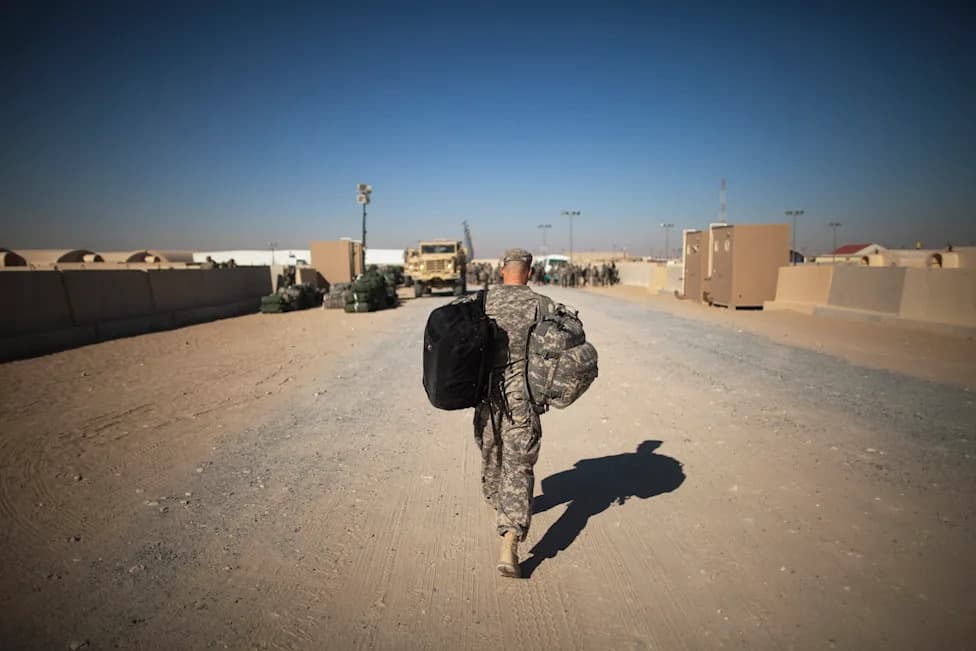
A US soldier walks through Kuwait in 2011 [Lucas Jackson/Reuters]
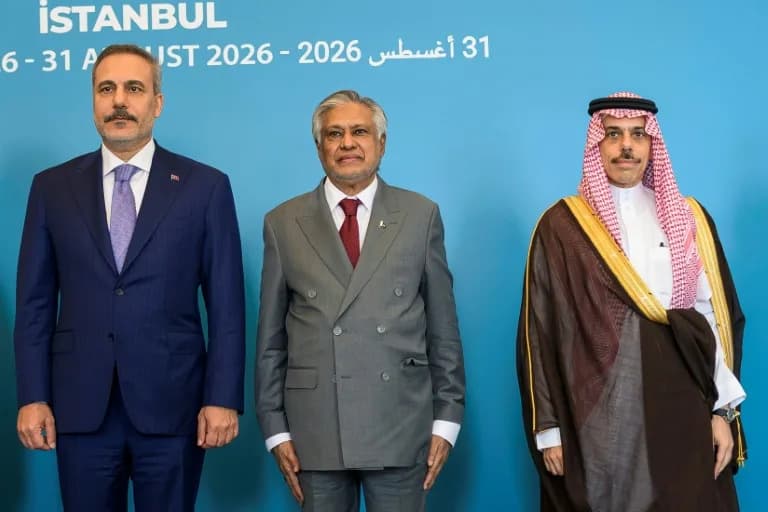
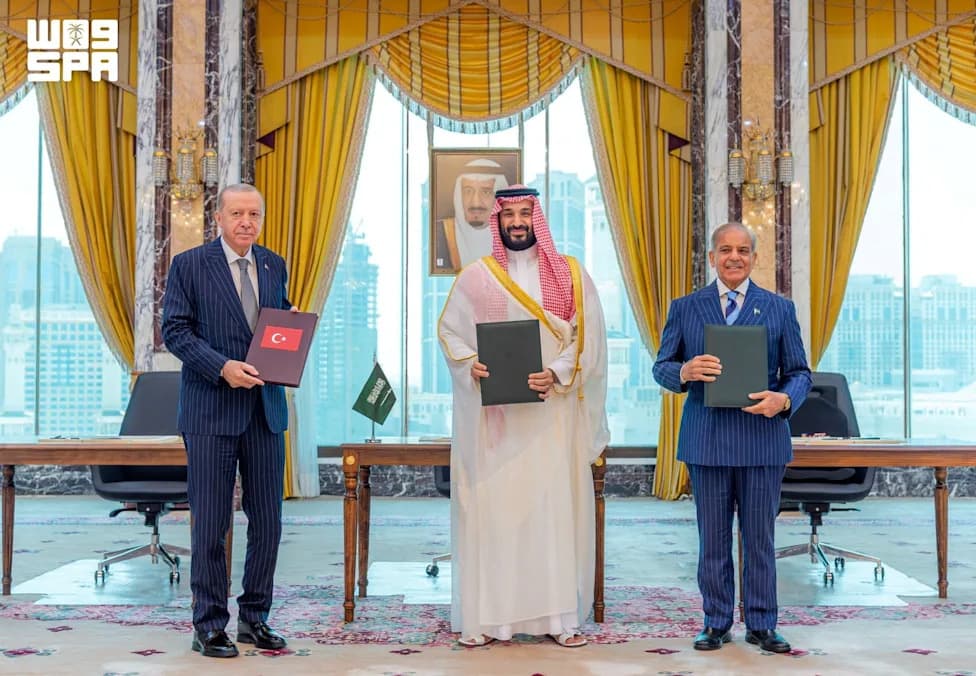
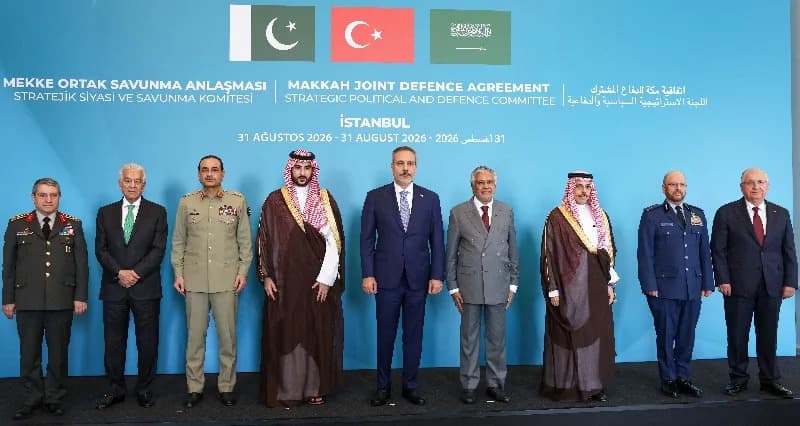
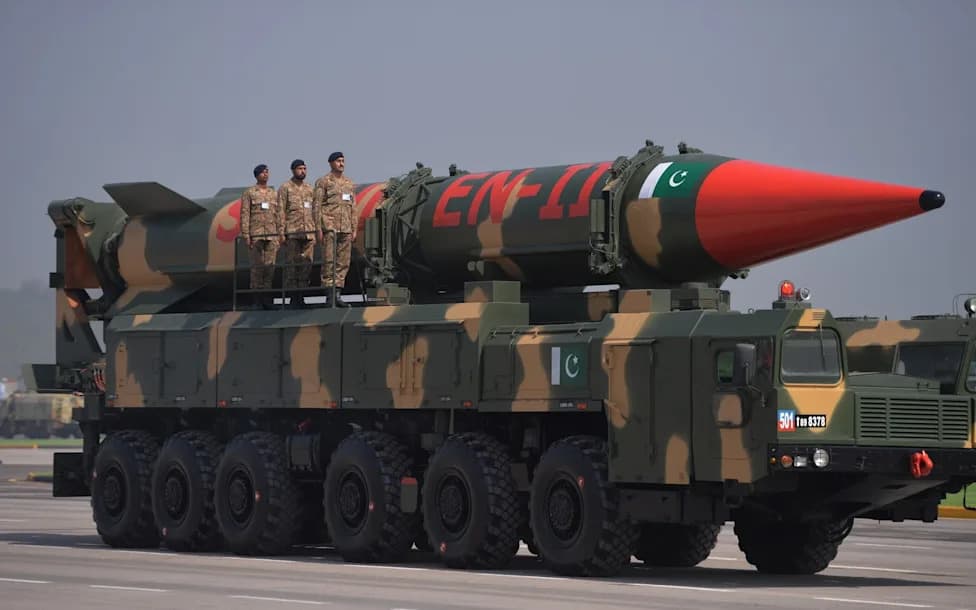
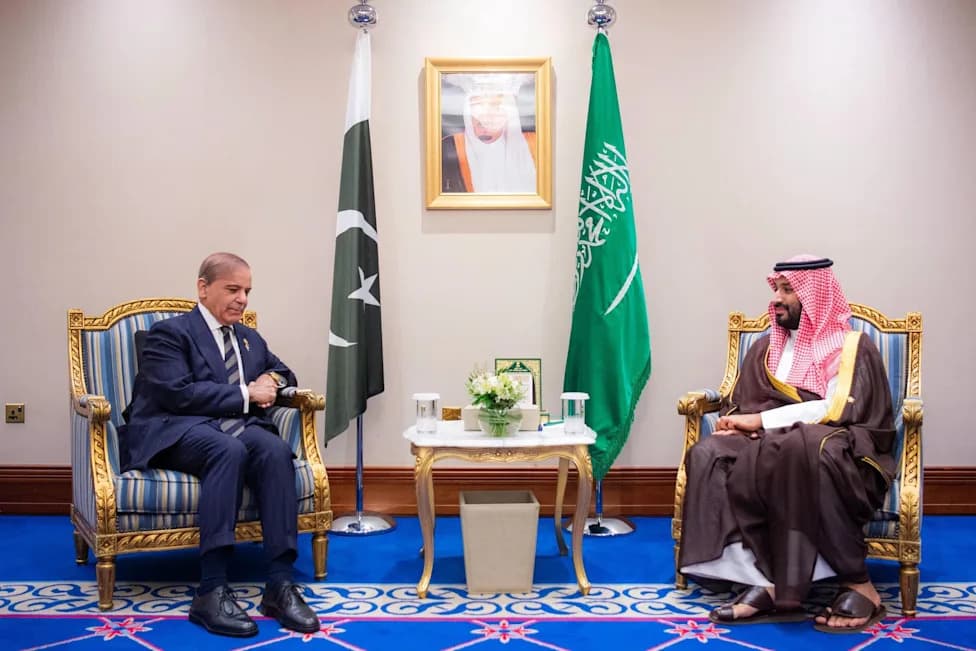
Washington, D.C. — Saudi Arabia, Türkiye and Pakistan signed a landmark mutual defence agreement in Mecca that pledges collective response to an attack on any member. The Trump administration offered no immediate official comment, a muted reaction analysts say reflects the complex and evolving implications for US strategy in the Middle East.
What the Pact Says (So Far)
Only a joint statement released on Friday has detailed the agreement. It states that "any armed attack against any one of the three states shall be regarded as an attack against them all," language reminiscent of NATO's Article 5. Full operational details and implementing arrangements have not been published, so the pledge remains untested.
Context And Drivers
The pact arrives amid an intensified regional security environment — described in the coverage as the US‑Israeli war with Iran — and follows a September 2025 Saudi–Pakistan mutual defence agreement. The September deal and reports of an alleged Israeli air strike on Doha added to concerns in Riyadh, Ankara and Islamabad about the reliability and predictability of outside security guarantees.
How Analysts See It
Commentators are divided. Some view the tri‑state agreement as an early sign of regional actors seeking greater strategic autonomy from Washington. Others argue it aligns with a long‑standing US objective: encouraging partners to shoulder more defence responsibilities.
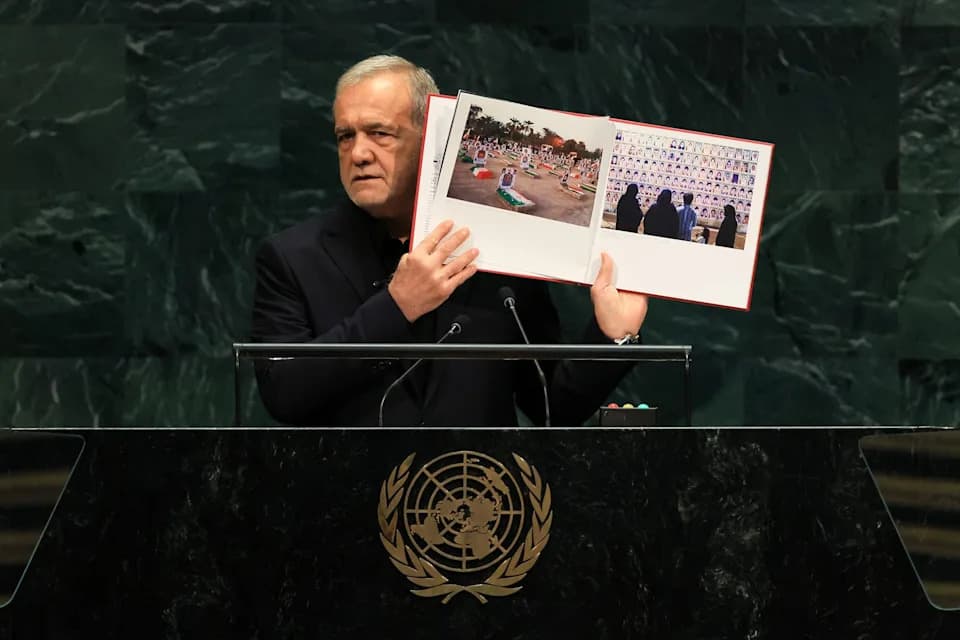
Sina Toosi, senior fellow at the Centre for International Policy: "One of the first post‑war developments is a defence initiative among three major Muslim powers seeking greater strategic autonomy."
Experts note important caveats: officials in Riyadh, Ankara and Islamabad insist the pact is intended to supplement, not replace, existing alliances; Türkiye reaffirmed that the partnership is "not an alternative" to its NATO membership. Analysts also emphasize divergent national interests among the three — Türkiye's military and technology, Saudi Arabia's financial resources, and Pakistan's nuclear status bring different capabilities and constraints.
Implications For The United States
In the short term, most observers expect the pact's greatest impact to be diplomatic: it could complicate efforts to expand Arab–Israeli normalisation under the Abraham Accords, a key aim of the Trump administration. Some analysts warn it signals a nascent weakening of Washington's sway in the region; others see it as compatible with US calls for "burden‑sharing." The United States still maintains a significant military presence — roughly 50,000 troops at some 19 sites across the Middle East — but debates persist over whether that posture will be sustained or gradually rebalanced.
Limits And Uncertainties
Key unknowns remain: how the pact will be operationalised, whether signatories would act collectively against non‑state actors like the Houthis, and how the agreement would function if simultaneous crises involved NATO commitments or other US partners. Analysts also note that stronger regional cooperation can mask divergent agendas and that practical constraints — logistics, political will, and differing threat perceptions — may limit the pact's scope.
Bottom Line
The Mecca pact is a politically significant gesture that signals growing interest among regional powers in deeper security cooperation. While it may not immediately upend US military strategy, it reshapes diplomatic alignments and raises fresh questions about the future architecture of regional security and the prospects for Arab–Israeli normalisation.
Reporting contributed by Brian Osgood. Analysis cited from experts interviewed on Al Jazeera and public commentary from institutions including King's College London's Department of War Studies, the Brookings Institution, and RUSI.
Help us improve.