Vibrio vulnificus, a potentially deadly bacterium found in warm coastal waters, has been linked to at least five deaths in Louisiana in 2026 and nine hospitalizations. All cases involved wounds exposed to seawater and occurred in patients with underlying health conditions. Experts warn that rising water temperatures and storm-driven flooding are expanding the bacteria's reach, with recent detections on Long Island. High-risk individuals should avoid salt or brackish water exposure and ensure seafood is fully cooked.
Flesh-Eating Vibrio Bacteria Tied to Five Deaths in Louisiana This Year, Officials Say
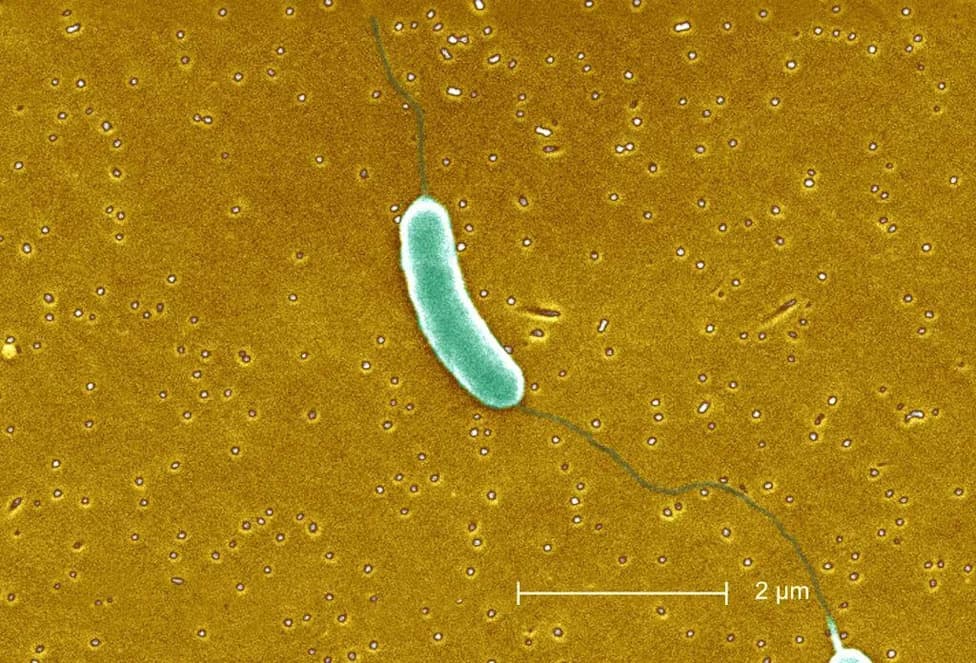
Flesh-eating bacteria has killed 5 in Louisiana this year, officials say
State health officials say a dangerous bacterium found in warm coastal waters has been linked to at least five deaths in Louisiana so far in 2026.
Cases and Context
According to the Louisiana Department of Health, the state has recorded nine confirmed cases of Vibrio vulnificus in 2026; all nine patients required hospitalization. The department said each infection followed a wound that had been exposed to seawater, and every patient had underlying medical conditions.
Over the past decade Louisiana averaged about seven Vibrio vulnificus cases per year and roughly one death annually. The state saw an increase in 2025, with at least 26 cases and five fatalities recorded.
Regional Trends and Causes
The Florida Department of Health has reported two deaths from V. vulnificus so far in 2026. Florida recorded 19 deaths in 2024 and five in 2025; officials there have linked higher infection rates to major storms such as Hurricane Helene in 2024, which produced widespread flooding and standing water.
Experts say rising ocean temperatures tied to climate change are expanding the geographic range of Vibrio bacteria. This spring, water samples from coastal areas of New York's Long Island tested positive for V. vulnificus, demonstrating the organism's reach beyond traditionally warmer regions.
About Vibrio vulnificus
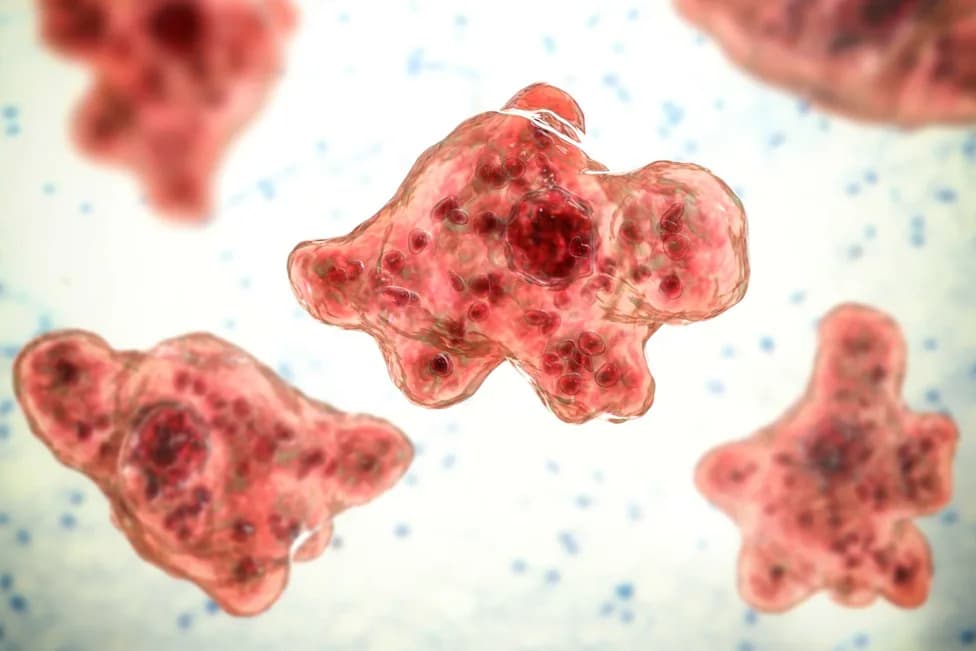
There are roughly a dozen Vibrio species that can cause vibriosis, but Vibrio vulnificus is the most severe and potentially life-threatening. Data from the U.S. Centers for Disease Control and Prevention (CDC) indicate that about one in five people who contract V. vulnificus die from the infection; severe cases can also require amputation.
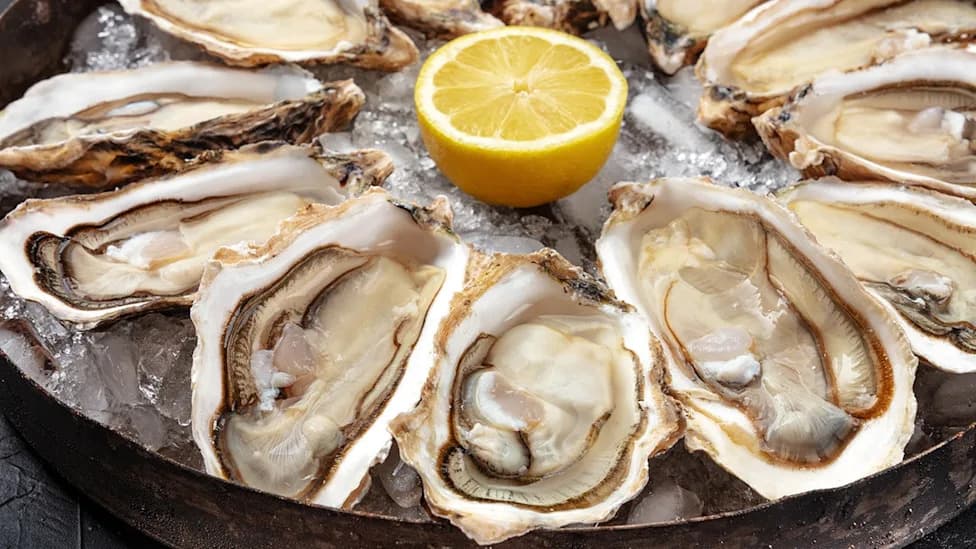
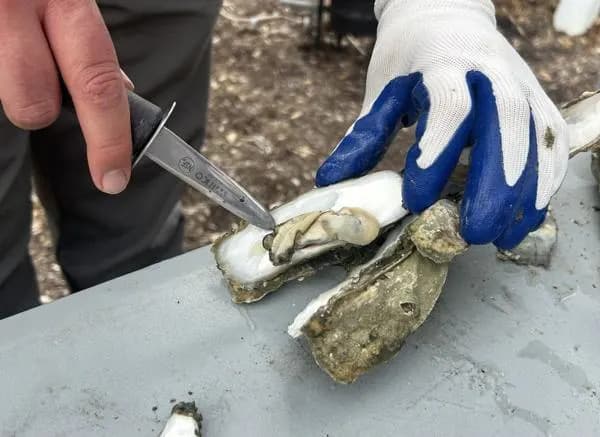
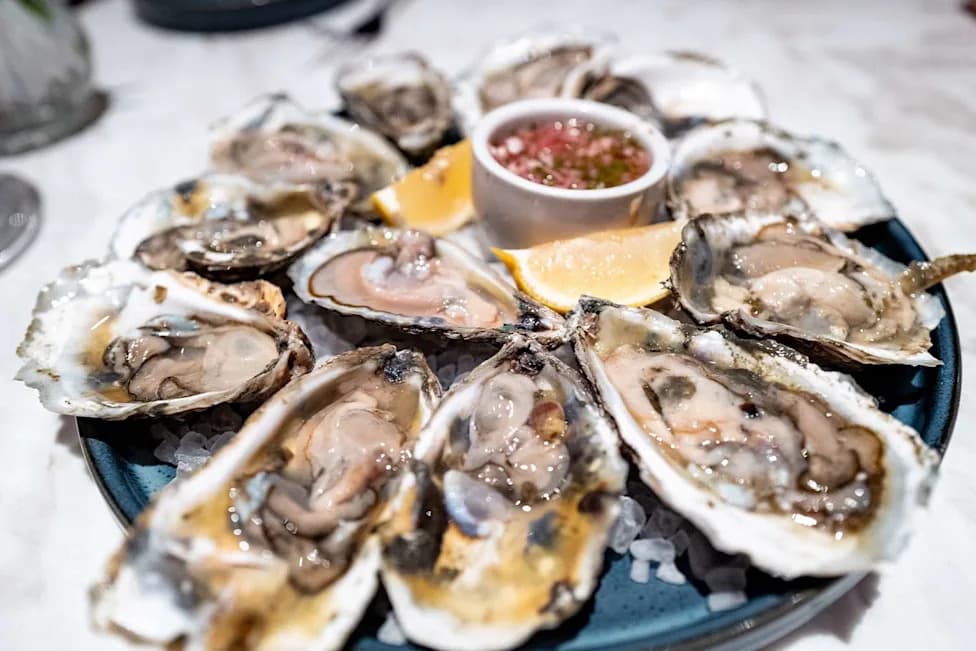
The CDC notes infections are most commonly acquired between May and October when ocean temperatures are warmest. People can become infected when an open wound is exposed to seawater or by eating raw or undercooked shellfish, particularly oysters.
Who Is Most At Risk
Health officials warn that people with preexisting health conditions are at greatest risk for severe illness. High-risk conditions include:
- Cancer
- Liver disease
- HIV
- Thalassemia
- Use of immune-suppressing treatments
Symptoms To Watch For
Symptoms of a Vibrio wound infection can include fever, skin discoloration, drainage, and pain or swelling around the wound. Bloodstream infections may cause fever, chills, dangerously low blood pressure and skin lesions. Gastrointestinal illness from ingesting contaminated seafood can cause diarrhea, stomach cramps, nausea and vomiting.
Prevention Tips
The Louisiana Department of Health recommends the following precautions:
- Avoid salt or brackish water if you have open cuts or wounds; brackish water is where freshwater and seawater mix.
- Immediately wash any wound that may have been exposed to seawater with soap and clean water.
- When preparing seafood, cook it thoroughly and keep cooked items separate from raw seafood.
- People with chronic medical conditions should consult their doctor about additional precautions before swimming in coastal waters or eating raw shellfish.
Bottom line: Vibrio vulnificus remains uncommon but dangerous. Warmer waters and storm-driven flooding appear to be increasing risk in some regions, so vigilance and simple prevention steps can reduce the chance of severe infection.
Help us improve.