South Carolina health officials report one death and two additional cases linked to Vibrio vulnificus, a bacterium found in warm brackish coastal waters and raw shellfish, particularly oysters. Most healthy people experience only mild gastrointestinal or skin symptoms, but infections can progress rapidly and be fatal for vulnerable individuals. The CDC estimates about 100–200 U.S. cases of serious Vibrio vulnificus infection annually; other Vibrio species cause many more illnesses. Officials advise avoiding raw shellfish, keeping coastal water out of open wounds, and seeking prompt medical care for wounds or illness after exposure.
Rare Vibrio Bacterium Linked to Oysters Kills One in South Carolina; Officials Urge Caution — Not Panic

Students in the Horry-Georgetown Technical College Wildlife Society enjoyed an oyster roast on Feb. 20, 2026. File/Ruth Cronin/Staff
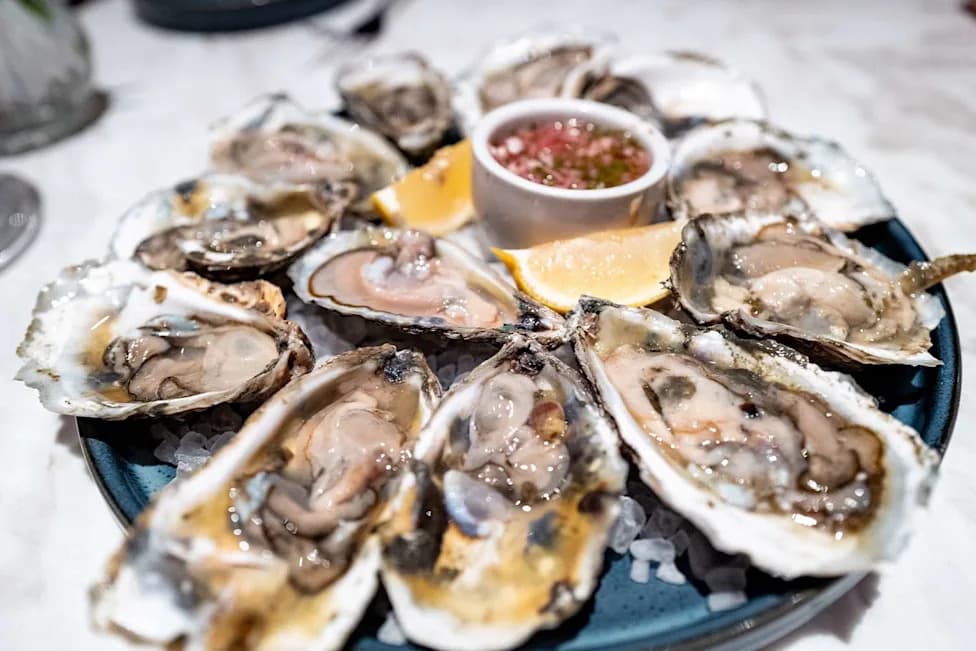
MYRTLE BEACH — As South Carolina’s oyster season nears its peak and weekend roasts become common, state health officials are warning residents about rare but potentially serious infections from Vibrio bacteria associated with raw shellfish and warm coastal waters.
What Happened
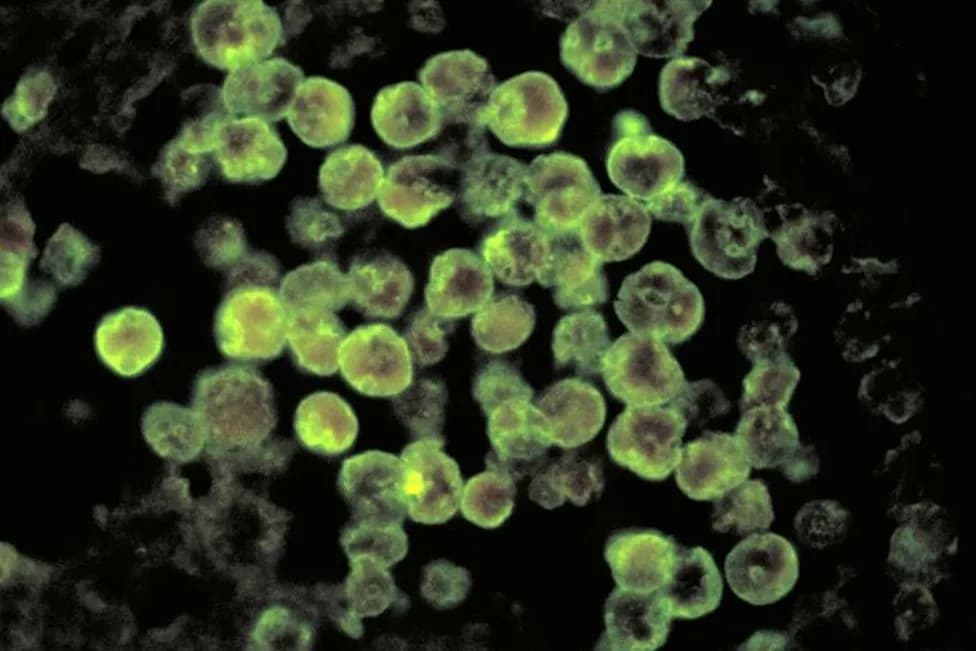
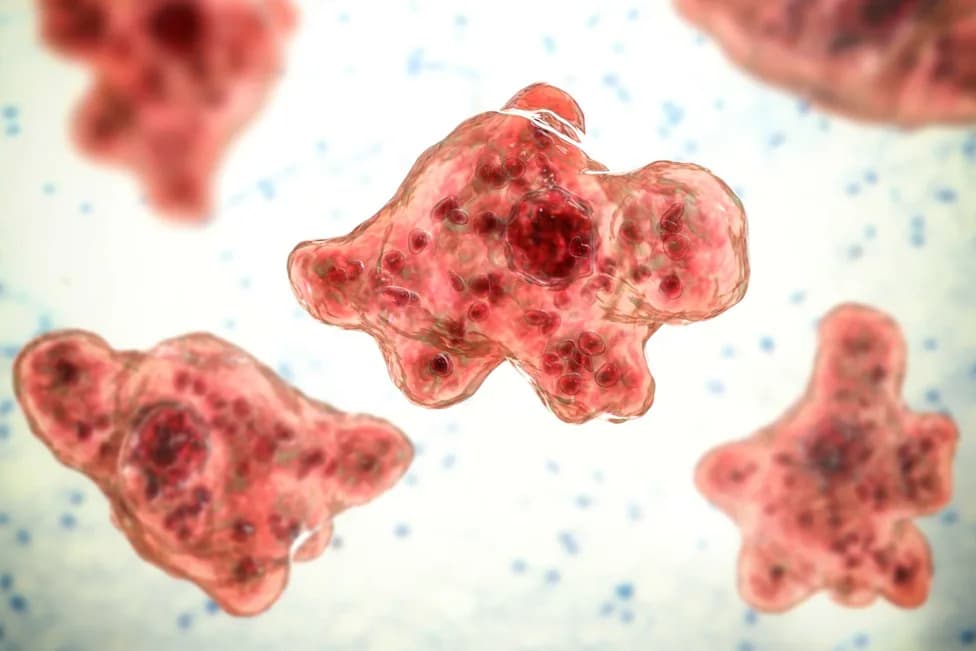
The South Carolina Department of Public Health says one person has died this year after developing vibriosis caused by Vibrio vulnificus, and two additional cases have been reported. Health officials emphasize that while most infections are mild, the bacterium can cause severe, rapidly progressing illness in some people.
How Vibrio Spreads
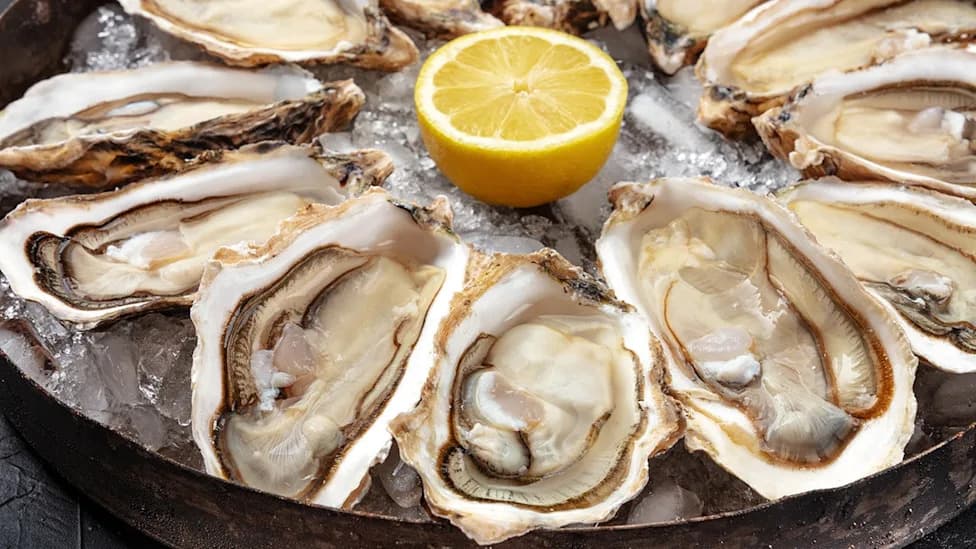
Vibrio vulnificus naturally lives in brackish coastal waters and becomes more common during warmer months. People typically become infected by eating raw or undercooked shellfish—oysters are a frequent source—or by exposing an open wound to salt or brackish water that contains the bacteria.
Symptoms and Severity
Symptoms can appear quickly, usually within 24 hours, and include fever, chills, painful or swollen red skin, fluid-filled blisters, nausea, vomiting, diarrhea, dizziness, fainting and confusion. In severe cases the infection can destroy skin and soft tissue and may lead to necrotizing fasciitis. According to the Centers for Disease Control and Prevention (CDC), about one in five people who develop severe Vibrio vulnificus infection die.
How Common Is It?
The CDC estimates roughly 100–200 cases of vibriosis from Vibrio vulnificus are reported in the United States each year, with most occurring in Gulf Coast states. Other Vibrio species cause many more illnesses overall—about 80,000 infections annually—but Vibrio vulnificus is among the species that can cause the most severe outcomes.
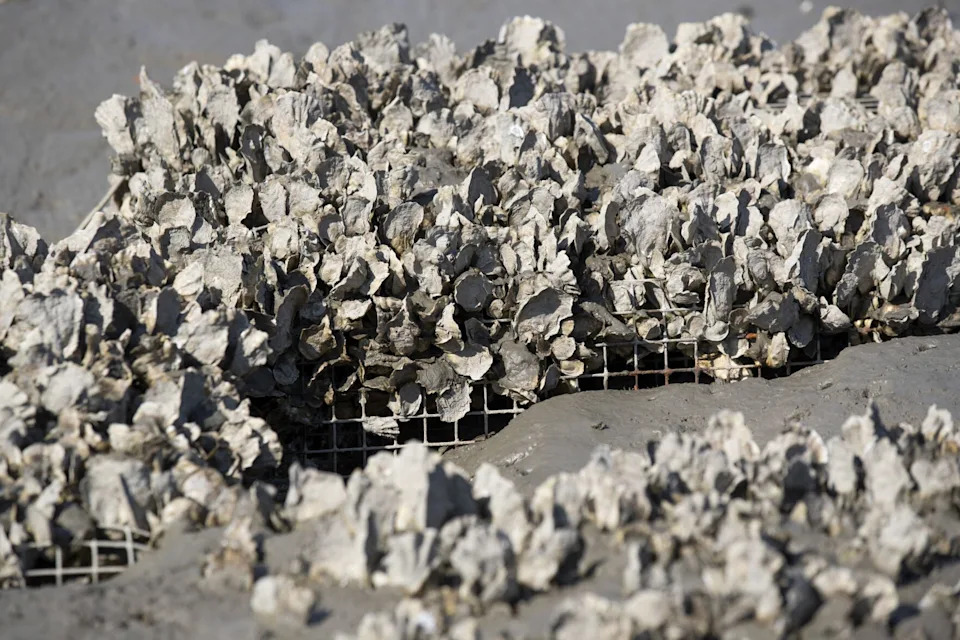
A living shoreline made of manufactured wire reefs that was placed two years ago sits on the marsh shore covered in growing oysters and holding back sediment, Wednesday, March 18, 2026, in Kiawah Island. File/Henry Taylor/Staff
Regional Context
Health departments in Gulf Coast states have reported activity this season: Florida reported multiple cases and deaths this year, and Louisiana and other neighboring states have recorded cases as well. State officials cautioned that reporting rules vary and that deaths from vibriosis are not always required to be reported to state public health agencies, so official counts may understate the true number.
Who Is Most At Risk
People with chronic liver disease, weakened immune systems, diabetes, or other underlying conditions face the highest risk of severe infection. Healthy individuals more often experience mild gastrointestinal symptoms or localized skin infections.
Prevention and When to Seek Care
State public health guidance advises:
- Avoid eating raw or undercooked shellfish.
- Keep coastal or brackish water out of open wounds and cover any cuts when in or near coastal waters.
- Seek prompt medical attention for wound infections, rapidly worsening redness, blisters, fever, or if you become ill after eating raw shellfish.
“The risk is still very, very low, and especially when you’re cooking and preparing seafood, it’s extremely low,” said Dr. Paul Richardson, chief medical officer at Conway Medical Center. “You’re talking about a few infections, but definitely not zero. Be aware and seek care if you have concerning symptoms.”
Seasonality and Local Notes
The peak season for Vibrio vulnificus typically runs from May through October. Two of the recent South Carolina cases were identified in the Lowcountry and one in the Upstate; officials say the cases do not show a clear common exposure. State officials remind residents that cooking seafood thoroughly greatly reduces risk and that those with underlying conditions should be especially cautious.
File photo: A living shoreline on Kiawah Island shows oysters on marsh edge—an example of habitat where shellfish grow and where Vibrio can be present in warmer months.
Authorities stress awareness over alarm: simple precautions and timely medical care greatly reduce the risk of severe outcomes.
Help us improve.