The U.S. is exiting a late-summer COVID-19 uptick and preparing for the fall respiratory season. WastewaterSCAN reported "high" SARS-CoV-2 levels as of Sept. 18, with August concentrations 168% higher than July and monthly doubling since June, while CDC wastewater data lagged behind. XFG currently dominates wastewater signals; most variants cause similar respiratory and sometimes gastrointestinal symptoms. Vaccines remain available, but official guidance has narrowed to focus on adults 65+ and people at higher risk, with use recommended via shared clinical decision-making.
What's New With COVID-19: Rising Wastewater Signals, XFG Dominance, and Updated Vaccine Guidance
What's going on with COVID? The latest on strains, cases, symptoms.
As the United States moves past a late-summer rise in COVID-19 cases and prepares for the fall respiratory virus season, new surveillance data and policy changes are shaping how clinicians and the public monitor and respond to the virus.
Wastewater Surveillance Shows Rising Signals
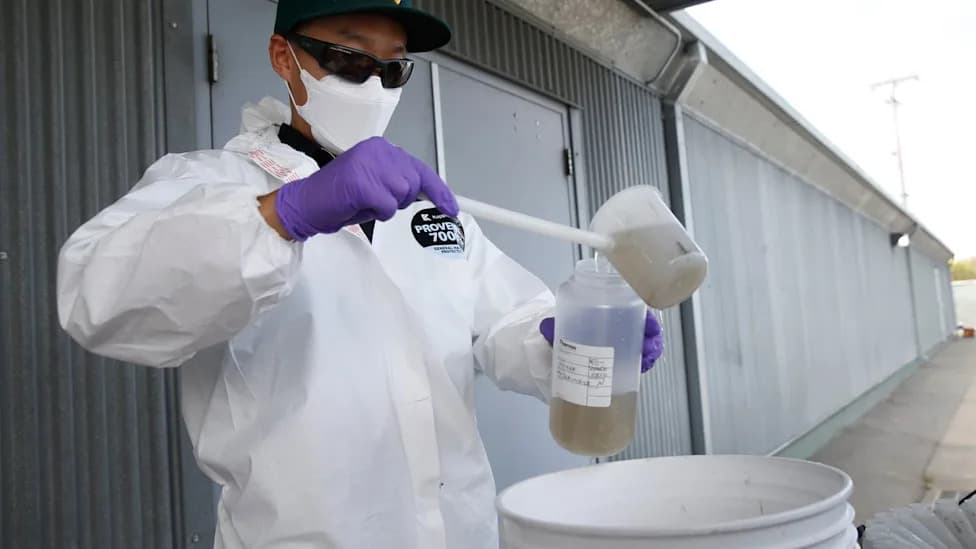
WastewaterSCAN, a Stanford-led sewage surveillance program, reported COVID-19 levels in the "high" category as of Sept. 18. Its data show August concentrations were 168% higher than July, and the amount of SARS-CoV-2 detected in wastewater roughly doubled each month since June. By contrast, the Centers for Disease Control and Prevention (CDC) categorized national wastewater activity as "low" for the week ending Sept. 12 — a difference driven in part by data lag and differing surveillance windows. Several states, mostly in the South and West, did have "high" or "very high" wastewater signals.
Variants: XFG Is Currently Dominant In Wastewater
WastewaterSCAN’s samples from Sept. 12 showed the Omicron-descended variant XFG in about 65% of detections. The CDC’s model-based projection for the four weeks ending Aug. 1 indicated SW.2 at roughly 21% and XFG.1.1 at about 16% — reflecting differences in timing and clinical sequencing inputs. XFG was first identified in Southeast Asia in January 2025 and accounted for a large share of infections during 2025. Another lineage, BA.3.2 (nicknamed "cicada"), continues to appear at low levels in surveillance data.
Symptoms To Watch For
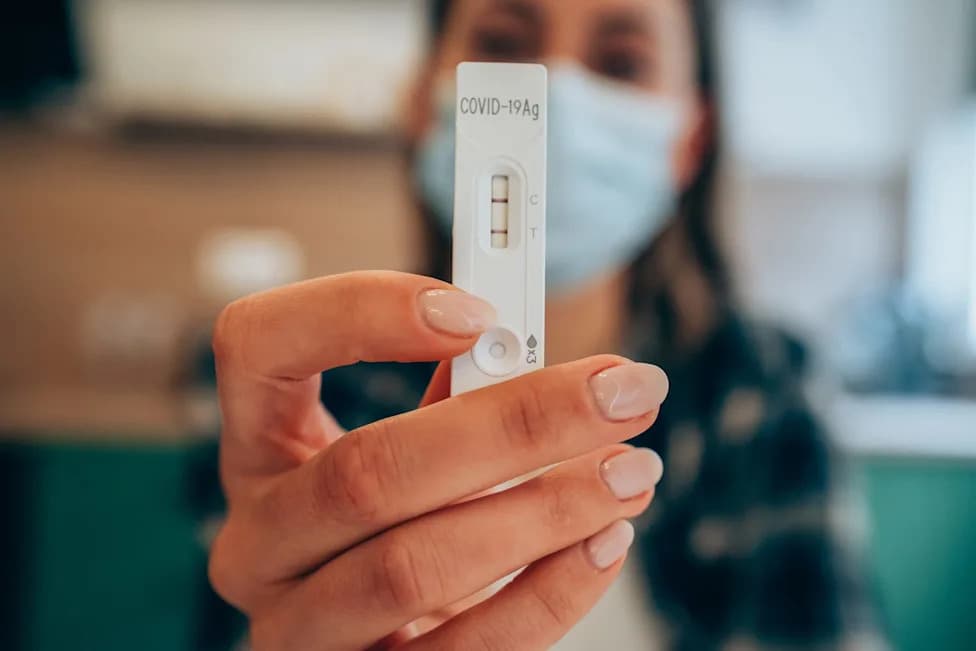
Most currently circulating strains cause similar respiratory symptoms: body aches, chills, congestion, cough, runny nose, fatigue, fever and headache. Clinicians have also noted gastrointestinal symptoms such as vomiting and diarrhea in some patients. BA.3.2 has been anecdotally linked to an especially painful sore throat sometimes described as a "razor blade" sensation.
Vaccines, Policy Changes, And Access
COVID-19 vaccines remain available through pediatricians' offices, state and local health departments, and retail pharmacies. Policy since 2025 narrowed broad vaccine recommendations: Health Department leadership removed healthy children and pregnant women from the universally recommended schedule, and the FDA authorized updated vaccine formulations primarily for adults 65 and older and for younger people with underlying health conditions. As of Sept. 3, the CDC advises using the 2025–26 vaccine through shared clinical decision-making, encouraging people to discuss risks and benefits with a clinician.
Retail pharmacy chains report availability consistent with state rules: for example, CVS announced updated 2026–2027 COVID-19 vaccine formulations for eligible patients (state-dependent) and said MinuteClinic locations can vaccinate patients starting at 18 months. Vaccines are low- or no-cost for most insured patients.
What This Means
Wastewater trends can provide an early warning of rising community transmission, often ahead of clinical case counts. Health systems and public health officials are preparing for possible increases in the fall respiratory season. Individuals, especially older adults and people with underlying conditions, should discuss vaccination and other precautions with their health care providers.
Help us improve.