Federal health officials linked a multistate hepatitis A outbreak to imported frozen clams. There are 37 confirmed cases (30 hospitalized) with illness onset from July 30, 2025, to June 23, 2026; patients range from 6 to 40 years old. Interviews showed high rates of ceviche and raw shellfish consumption among those sickened, and La Serranita–brand concha negra clams from Ecuador were recalled. Unvaccinated people who ate the recalled clams within 14 days should seek medical advice about preventive treatment.
Imported Frozen Clams Linked to Multistate Hepatitis A Outbreak — 37 Cases, 30 Hospitalized
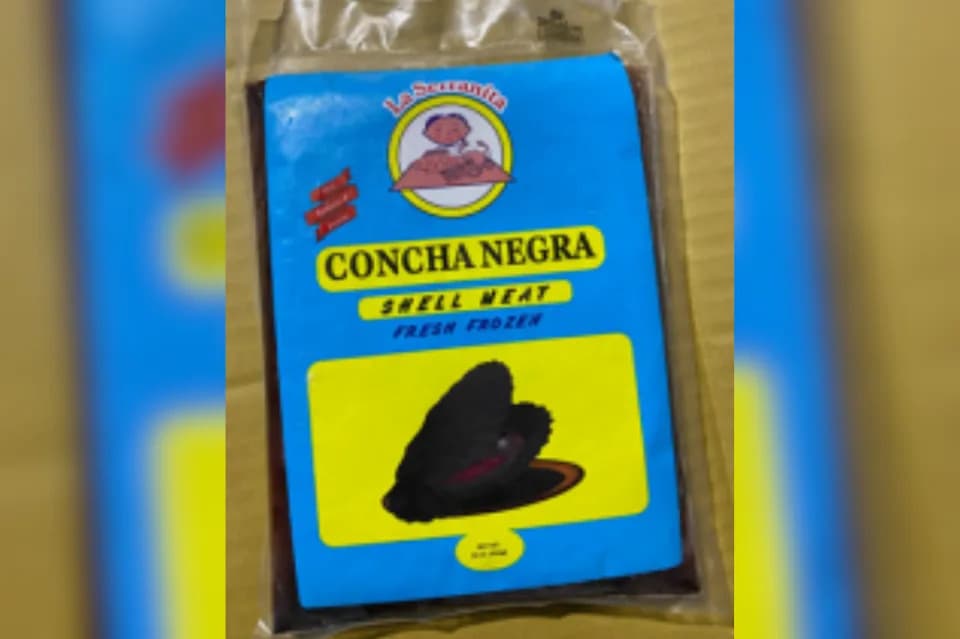
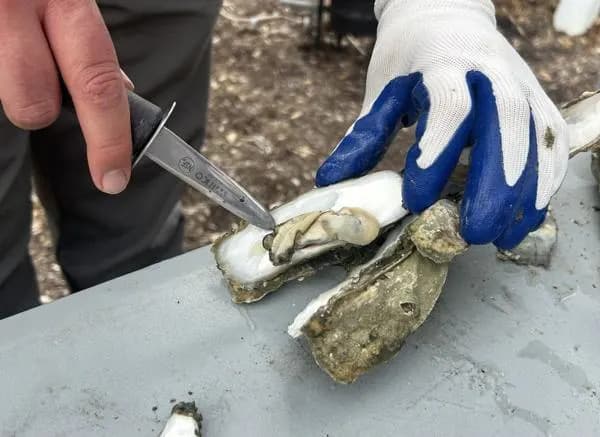
The recalled La Serranita-brand concha negra.
Federal health officials say a multistate outbreak of hepatitis A has been linked to imported frozen clams, and the Centers for Disease Control and Prevention (CDC) and the Food and Drug Administration (FDA) continue to investigate.
Outbreak Overview: To date, authorities have identified 37 confirmed illnesses associated with the outbreak; 30 patients were hospitalized and no deaths have been reported. The CDC cautions that the true number of infections may be higher because some people recover without seeking medical care or being tested.
Timeline and Demographics: Illness onset dates for confirmed cases range from July 30, 2025, through June 23, 2026. Patients are between 6 and 40 years old. Cases are concentrated geographically: New York (27), Pennsylvania (4), Massachusetts (3) and Minnesota (3).
Investigation Findings: As part of the joint CDC–FDA investigation, state and local public health officials interviewed patients about foods they ate 15–50 days before becoming ill. Among those interviewed, 77% reported eating ceviche (raw fish or shellfish marinated in citrus), 76% reported consuming raw or undercooked shellfish, and 47% reported eating raw or undercooked black clams (concha negra). These consumption rates are markedly higher than expected compared with the CDC’s FoodNet Population Survey, supporting a link between the illnesses and raw or undercooked clams.
Product Recall: La Serranita–brand concha negra (black shell) fresh frozen clams imported from Ecuador were recalled earlier in the year. The FDA issued notices in April reporting recalls in New York and New Jersey and later linked the recalled product to restaurants and retailers in Connecticut, Massachusetts, New Jersey, New York, Ohio and Pennsylvania.
Health Guidance: The CDC and FDA advise that anyone who ate the recalled frozen clams within the past 14 days and is not vaccinated against hepatitis A should contact a health care provider or local health department about possible preventive treatment (such as immune globulin or hepatitis A vaccine). Not everyone infected with hepatitis A develops symptoms; when present, symptoms typically appear two to seven weeks after exposure and commonly include fever, fatigue, loss of appetite, nausea, vomiting, stomach pain, diarrhea, dark urine, pale stools, joint pain and jaundice (yellowing of the skin or eyes). While most people recover within a few weeks, hepatitis A can rarely cause liver failure, especially in older adults or people with underlying liver disease.
Detection Challenges and Context: Illnesses from frozen shellfish are uncommon but not unprecedented. In 2016, an outbreak in Hawaii linked to imported raw scallops resulted in 292 cases, 74 hospitalizations and two deaths. A CDC report about a 1988 multistate outbreak tied hepatitis A to raw oysters sold in Panama City, Florida. Detecting hepatitis A in shellfish is difficult: contamination can occur at very low levels and may not be present in every sample from an affected batch, so routine testing can miss contaminated products before illnesses appear.
Regulatory Oversight: The FDA monitors imported seafood through its seafood safety program, which includes inspections, import screening and Hazard Analysis and Critical Control Point (HACCP) requirements. Imported seafood must meet the same safety standards as domestic products.
What Consumers Should Do:
- If you consumed the recalled La Serranita concha negra frozen clams in the past 14 days and are unvaccinated, contact a health care provider or local health department promptly about preventive treatment.
- If you experience symptoms consistent with hepatitis A, seek medical care and avoid preparing food for others.
- Consider hepatitis A vaccination if you are at increased risk or unvaccinated; consult your provider about eligibility and timing.
Update (9/23/26): The story was updated to clarify the timing of the recall of the frozen clams.
Reporting note: News organizations contacted the CDC, FDA and La Serranita for comment.
Help us improve.