Researchers have confirmed ophidiomycosis (snake fungal disease) in multiple native snake species across Southeast Queensland. The infection causes lesions, lethargy, weight loss and abnormal shedding, and there is currently no established cure. A coordinated team of vets, wildlife hospitals and snake catchers is monitoring the outbreak and collecting samples, and the public is urged not to handle sick snakes but to report sightings.
Mysterious Fungal Disease Found in Wild Snakes Across Southeast Queensland
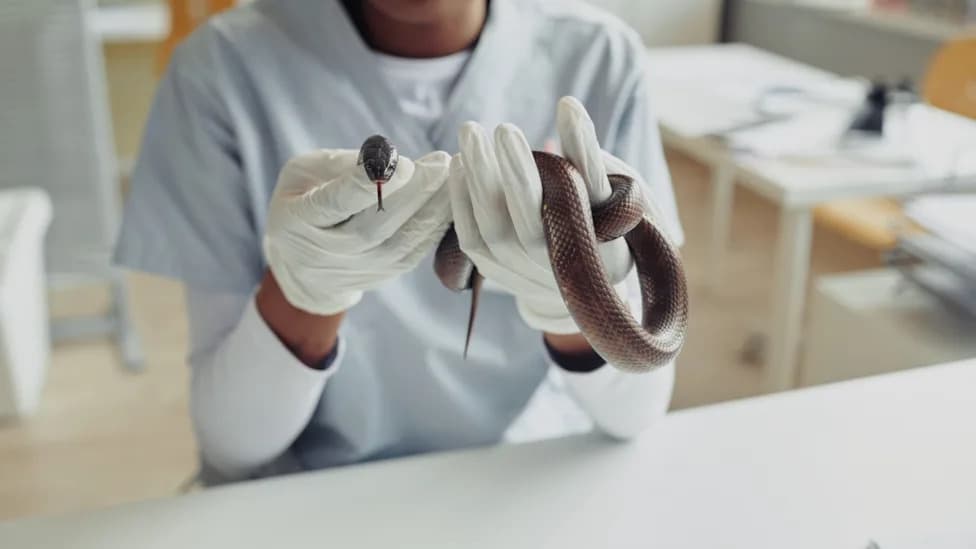
Photo Credit: iStock
Researchers in Southeast Queensland, Australia, have confirmed an outbreak of ophidiomycosis — commonly known as snake fungal disease — in several native snake species. The discovery has alarmed conservationists and wildlife veterinarians in a region celebrated for its reptile diversity.
What Researchers Have Found
Cases have been diagnosed in multiple species, including carpet pythons, eastern brown snakes, white-crowned snakes, eastern bandy-bandy snakes and various keelbacks. Infected snakes develop visible lesions on the underbelly, head and tail. Other signs include skin discoloration, crusting, lethargy, weight loss and abnormal or incomplete shedding.
Cause, Treatment and Uncertainty
The fungal pathogen behind these infections is known to cause ophidiomycosis in wild and captive snakes elsewhere, but the origin of this Queensland outbreak remains unclear. Shelly Butcher, a wildlife veterinarian and Ph.D. researcher at the University of Queensland, said the pet trade is one possible introduction pathway, but more evidence is needed.
"Sadly, many of the animals we've seen have been too severely affected for treatment to be a viable option," Butcher said, underscoring how advanced some cases are by the time animals are found.
Ecological Consequences
Snakes play a vital role in local ecosystems by controlling rodent populations and serving as prey for native birds such as kookaburras and wedge-tailed eagles. A decline in snake numbers could increase rodent activity around homes, farms and food stores and create cascading effects through the food web, compounding pressures from climate change, habitat loss and invasive species.
Coordinated Response and Public Guidance
A coordinated effort of wildlife researchers, veterinarians, wildlife hospitals and licensed snake-catchers is underway to monitor the outbreak and collect swabs, scale clippings and survey data for laboratory analysis. Snake catcher Summer Woolston of Sunshine Coast Snake Catchers said field teams now screen all wild snakes before release to avoid spreading infection.
If you encounter a snake that appears ill, do not touch it. If it is safe to do so, take clear photos from a distance, note the exact location, and contact a local veterinarian, wildlife hospital, rescue organisation or a licensed snake catcher for advice. Avoid handling or attempting to treat wild snakes yourself.
What Comes Next
Ongoing surveillance and laboratory testing will help determine how widespread the disease is and whether specific management steps can reduce further spread. Public reporting of sick or abnormal-looking snakes will support research and response efforts.
Help us improve.