On Sept. 11, 2026, Jackie Aguilar and her family found a sluggish snake at Crystal Cove State Beach and used a palm frond to try to return it to the ocean; no one was injured. The animal may have been a yellow-bellied sea snake, a species described as highly toxic by the Australian Museum, though identification from video is uncertain. Scientists link rare appearances of tropical sea snakes in Southern California to El Niño-driven changes in ocean temperatures and currents, and they warn beachgoers to stay cautious around unfamiliar wildlife.
Potentially Venomous Sea Snake Washes Ashore at Crystal Cove State Beach
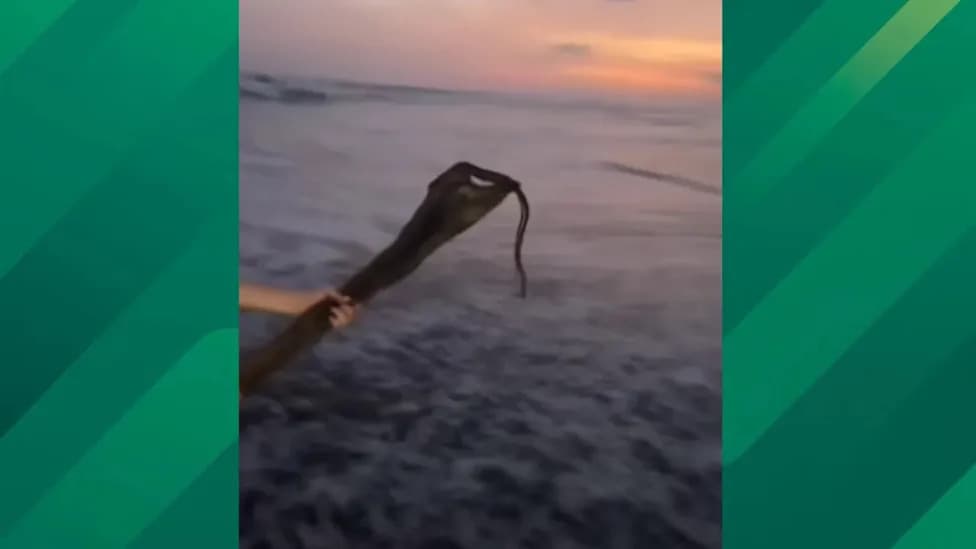
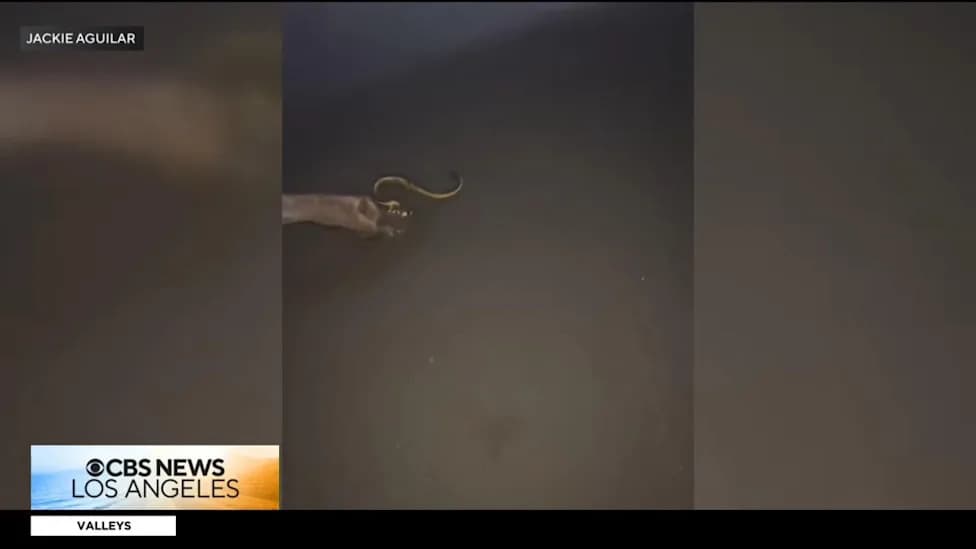
Image Credit: CBS News Los Angeles / YouTube.
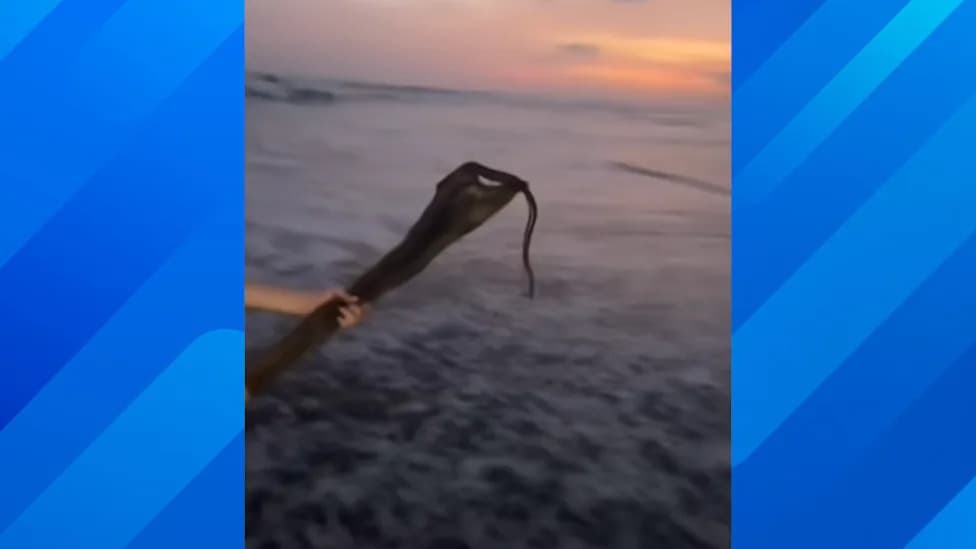
What began as a routine family outing turned into a tense wildlife encounter when Jackie Aguilar and her relatives discovered a sluggish sea snake on the sand at Crystal Cove State Beach on Sept. 11, 2026. Cellphone footage shows Aguilar using a long palm frond to lift the animal and attempt to return it to the ocean; later she learned the reptile may have been a highly venomous yellow-bellied sea snake.
How the Encounter Unfolded
Aguilar told CBS News Los Angeles that the snake appeared to have drifted ashore and was struggling on the beach. She and her family tried to move it back into the water using a palm frond. Fortunately, no one was bitten or otherwise harmed.
Identification And Risk
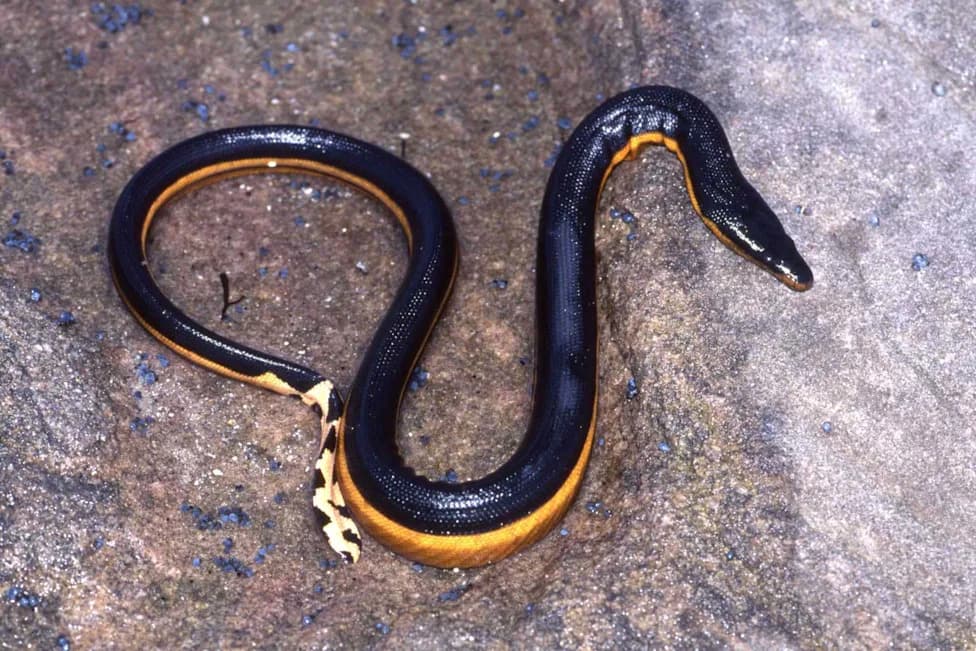
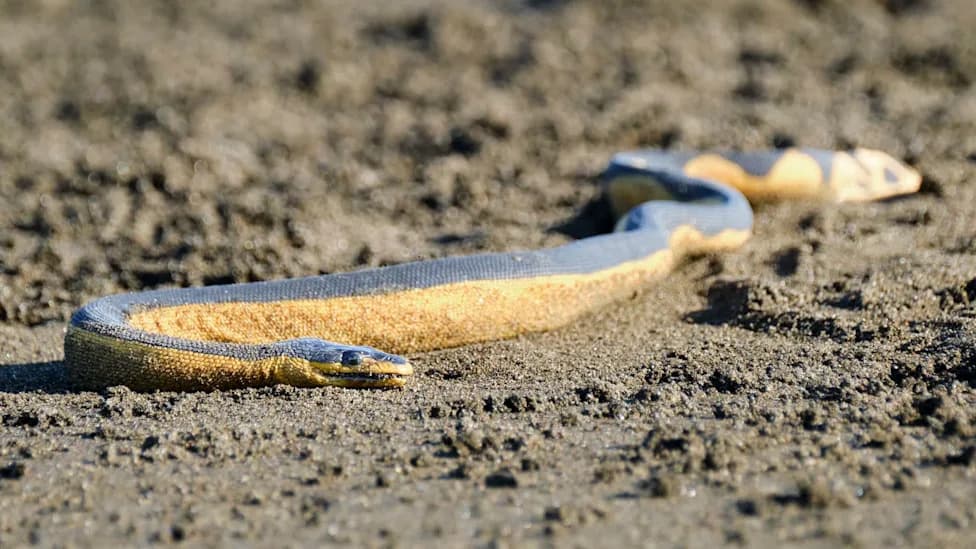
Based on Aguilar's description and the footage, the animal was reportedly identifiable by a distinctive yellow belly and a flattened tail—traits associated with the yellow-bellied sea snake (Pelamis platurus). The Australian Museum describes that species as "highly toxic." Experts caution, however, that field identification from grainy video can be uncertain and that all unfamiliar marine wildlife should be treated with caution.
"They're all telling me like it's one of the most poisonous ones. And then I started researching it, and I found out it was like the yellow belly one," Aguilar told CBS News Los Angeles.
Broader Context: Why Sea Snakes Appear In Southern California
Sea snake strandings in Southern California are uncommon but not unprecedented. Scientific American reported that two yellow-bellied sea snakes washed ashore in the region in December 2015. Greg Pauly, assistant curator of herpetology at the Natural History Museum of Los Angeles, said sightings north of the tip of Baja California have historically been rare.
Researchers at UC San Diego's Scripps Institution of Oceanography point to El Niño-driven changes in ocean temperature and currents as a likely factor in moving subtropical and tropical marine species northward. Such shifts can also affect ocean chemistry and the distribution of prey species, increasing the chance that atypical animals will appear on local beaches.
Safety Advice
Wildlife officials urge beachgoers not to touch or attempt to handle unfamiliar marine animals. If you spot an unusual reptile or marine creature, keep a safe distance, secure children and pets, and notify local beach authorities or wildlife rescue organizations. Even species that appear lethargic can pose a danger if they are venomous or stressed.
Aguilar and her family were fortunate the encounter ended without injury. With experts forecasting a strong El Niño, officials say beachgoers should stay alert for more unexpected marine visitors in the coming months.
Help us improve.