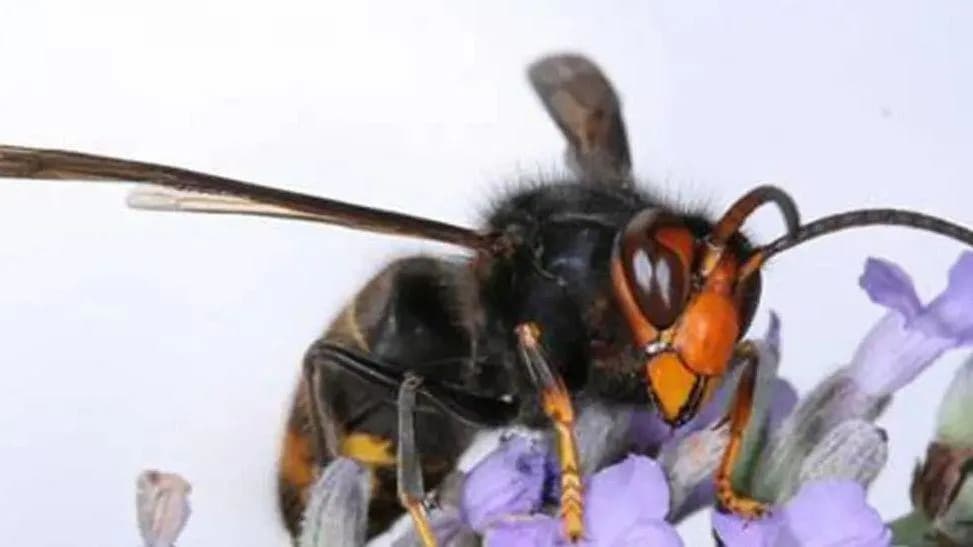
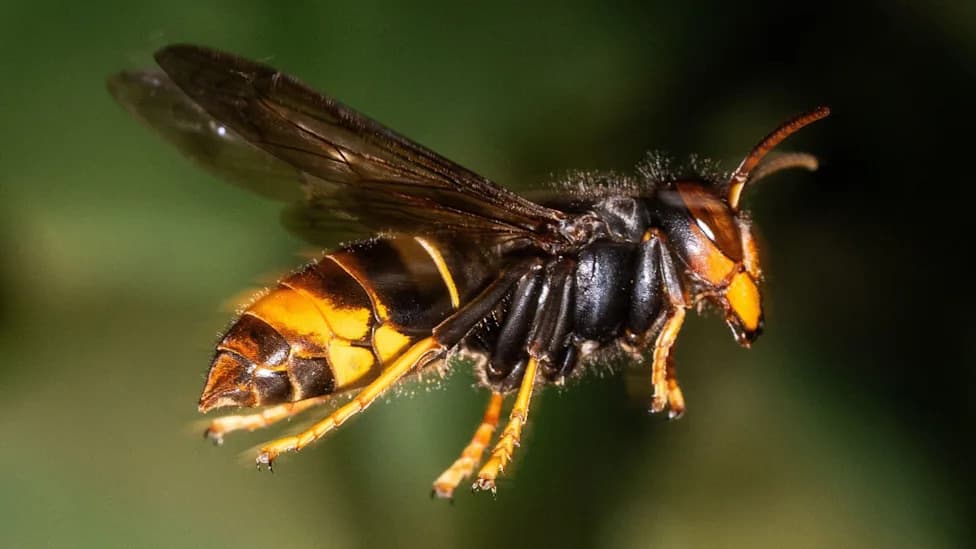
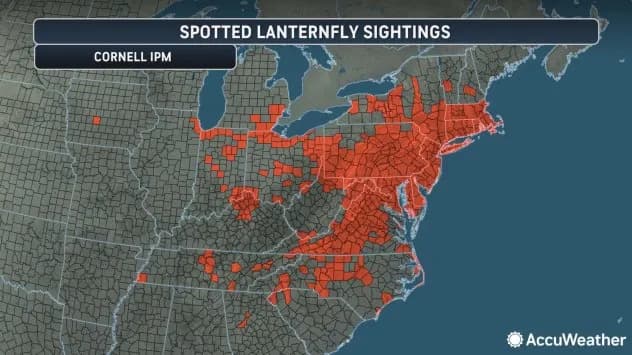
The first established population of the invasive yellow-legged hornet has been confirmed in North Carolina after a homeowner in Union County reported unusual activity at a hummingbird feeder. Officials warn the hornets prey on honeybees and other pollinators and build large reddish-brown nests. Residents and beekeepers are urged to watch feeders, gardens and hives closely and report suspicious sightings to state agriculture authorities so experts can respond quickly.
First Established Yellow-Legged Hornet Population Confirmed in North Carolina After Homeowner Sighting
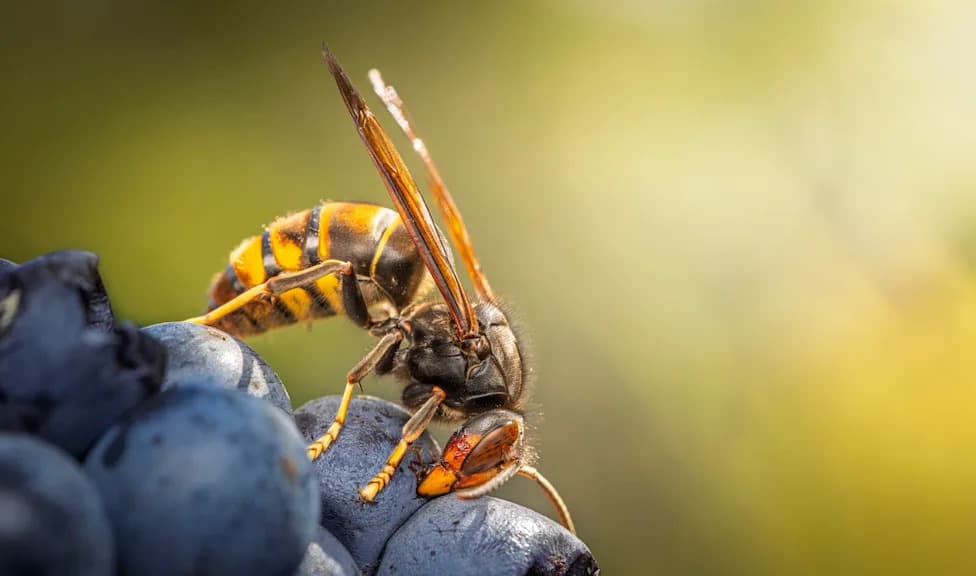
Photo Credit: iStock
A homeowner in Union County near Charlotte reported unusual hornet activity at a hummingbird feeder, prompting state officials to confirm the first established presence of the invasive yellow-legged hornet in North Carolina, according to WCNC.
Why This Matters
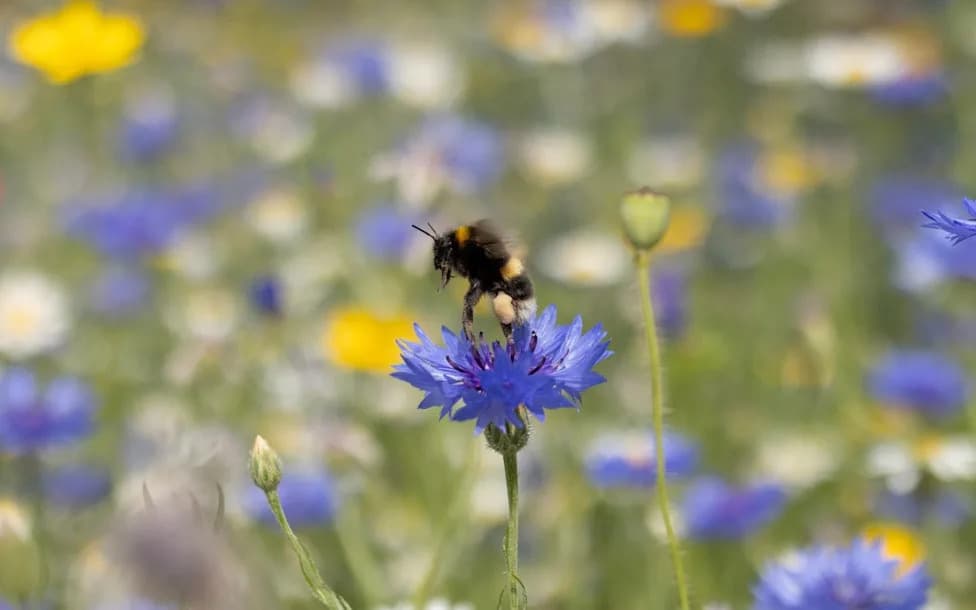
Yellow-legged hornets are aggressive predators of bees, including honeybees, which are vital pollinators for crops, gardens and native plants. An established population threatens pollinator health and could have ripple effects on local food systems, gardens and ecosystems if the insects continue to spread.
What Officials Are Advising
North Carolina agriculture officials say residents and beekeepers should stay alert for unusual insect activity, especially around feeders, gardens and beehives. Detecting the hornets early—while their presence is still relatively new in the state—gives experts a better chance to track and respond.
What To Look For
- Appearance: Nests often have a reddish, muddy look and can be very large.
- Size: Nests may range from the size of a volleyball to as large as the bed of a pickup truck.
- Behavior: The hornets exhibit distinctive "hawking-like" behavior—loitering near bee flight paths and preying on returning foragers.
- Locations: In North Carolina the hornets were found at a residence in Union County near Charlotte; previous regional sightings were closer to Savannah and Charleston, South Carolina.
How To Report And Protect Pollinators
If you spot large reddish-brown nests, hornets loitering near bees, or other suspicious insect activity, report the sighting to your state agriculture department or local extension office (for example, NCDA&CS and local county offices). Prompt reporting helps experts track the insects and mount a coordinated response before populations expand.
Beekeepers should increase monitoring of apiaries for predatory behavior and consider additional hive protections. Home gardeners and farmers should remain vigilant and avoid approaching nests—leave removal to trained professionals.
Bottom Line
The confirmed yellow-legged hornet presence in North Carolina signals a potential southeastward spread of this invasive species. Early detection, careful monitoring and prompt reporting are essential to protect bees and reduce the risk of broader ecological and agricultural impacts.
Source: WCNC and statements from North Carolina agriculture officials.
Help us improve.