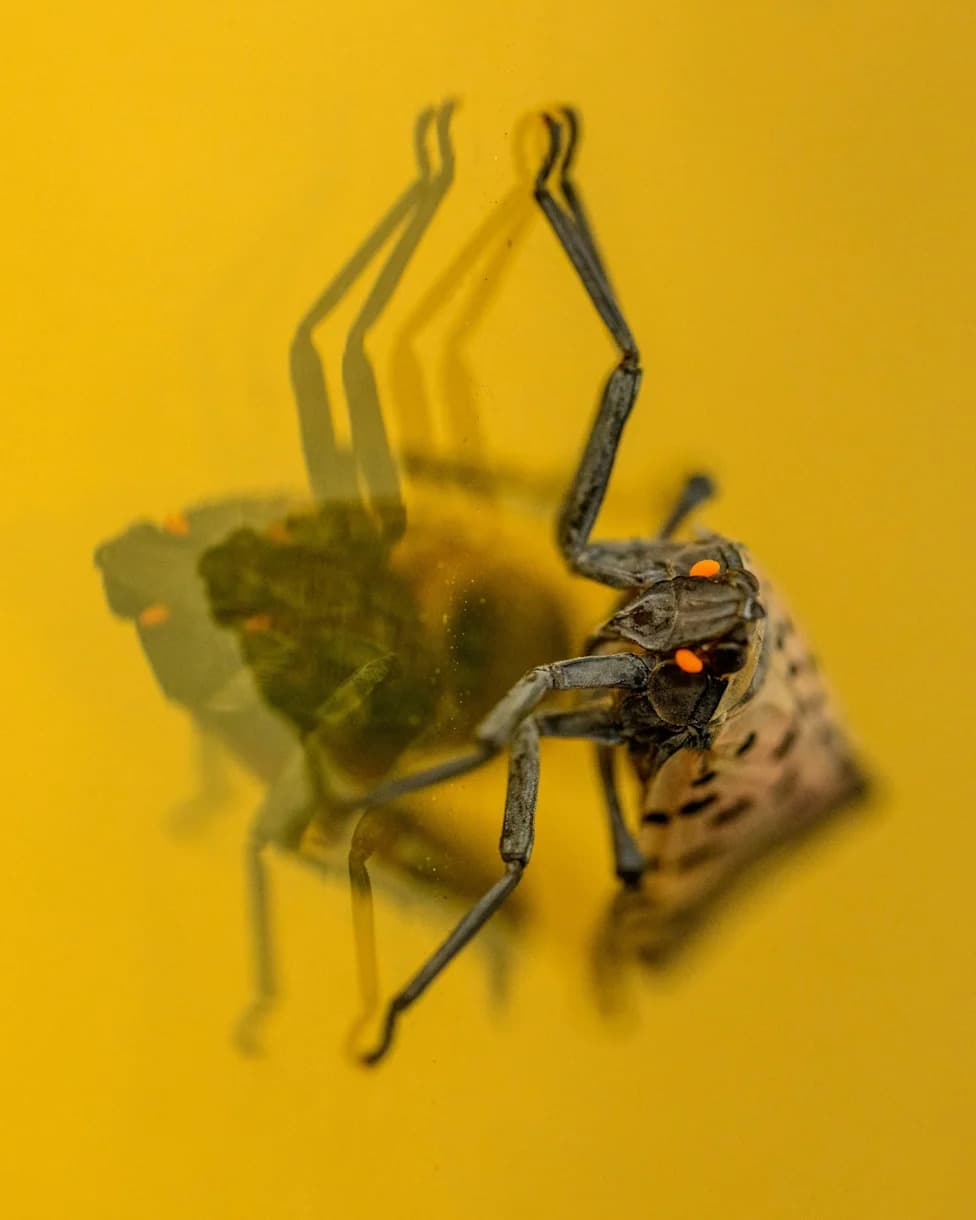
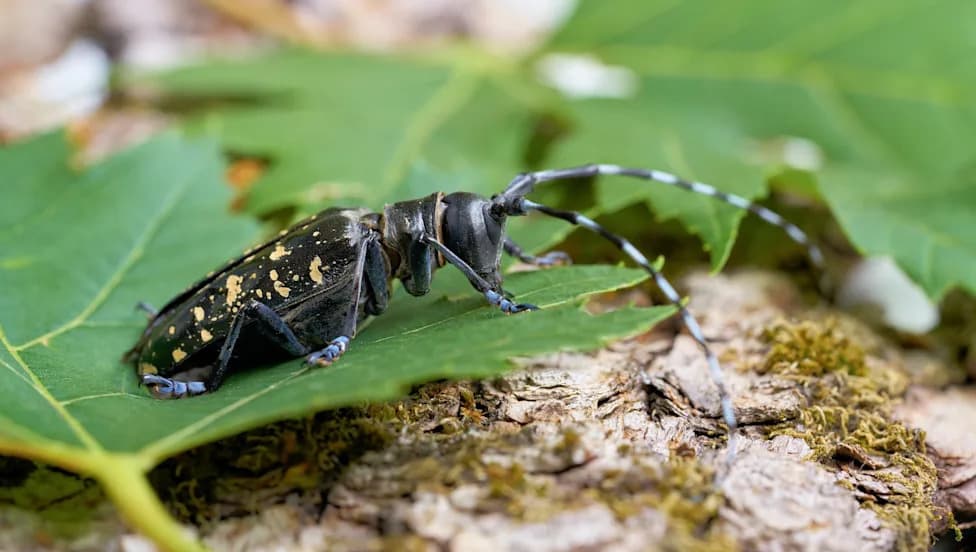
Spotted lanternflies, first detected in southeastern Pennsylvania in 2014, are now confirmed in 22 states plus Washington, D.C., with New Hampshire among the newest reports. Adults emerge in late July and become more mobile around the autumnal equinox, often hitchhiking on vehicles and materials. Sustained hard freezes (about −4°F for 12+ hours or long cold stretches) can reduce egg survival, but infestations persist year to year. Vineyards are particularly vulnerable: heavy feeding can lower root reserves, reduce grape sugar and cut future yields.
Spotted Lanternflies Confirmed In 22 States And D.C.: 'They're Here To Stay' — What To Know
AccuWeather.com
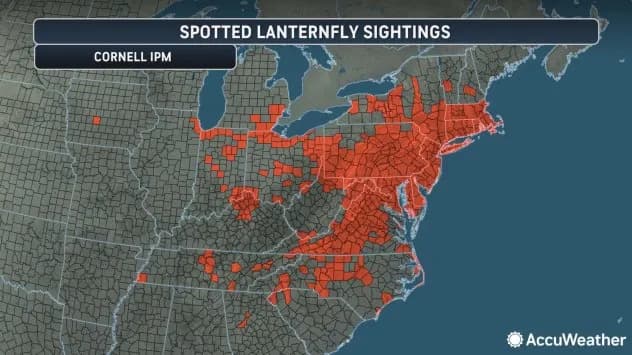
Spotted lanternflies have steadily expanded across the United States since they were first detected in southeastern Pennsylvania in 2014. According to Cornell IPM, confirmed sightings now span 22 states plus Washington, D.C., with reports as far south as Georgia and as far west as Iowa; New Hampshire recorded its first confirmed sighting this year.
They're here to stay — Julie Urban, associate research professor of entomology at Penn State University, emphasizing that although the species is established, local populations can vary dramatically from year to year.
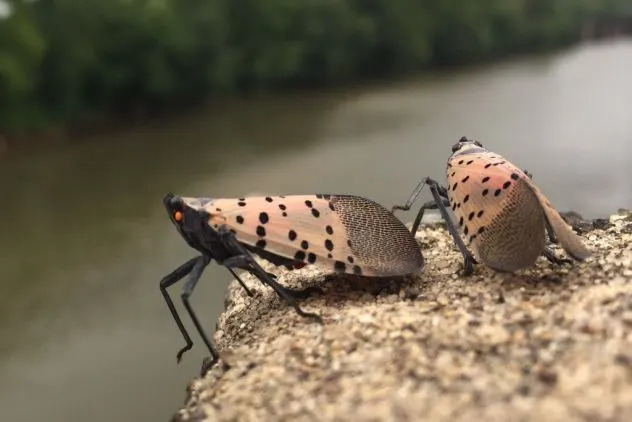
Spotted Lanternfly on the South side of the Penn Street Bridge on Friday, Aug. 17, 2018. (Photo By MediaNews Group/Reading Eagle via Getty Images)
Seasonal Behavior and Mobility
Adult lanternflies typically begin to appear in late July. Their behavior changes as autumn approaches: they feed heavily around the autumnal equinox, become reproductively mature, and move to new host plants. This increased movement — and the sight of adults congregating on trees, vehicles, and structures — is often what prompts public alarm.
Despite having wings, spotted lanternflies are not strong sustained fliers. They commonly climb trees and buildings, then fly or glide short distances. Their spread is aided, however, by hitchhiking on vehicles, trains, firewood, outdoor furniture and construction materials, which allows them to travel far beyond their natural range.
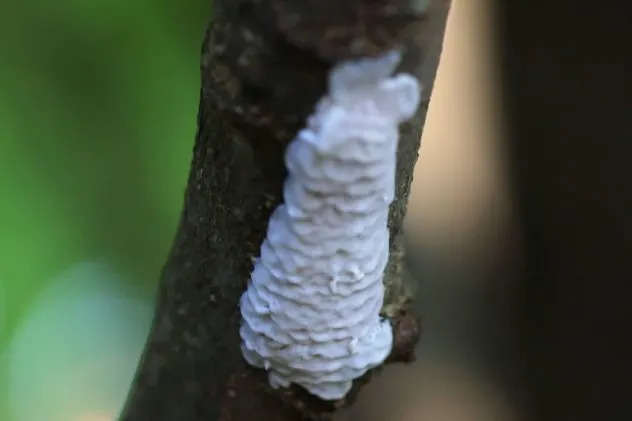
Spotted lanternfly eggs are shown attached to a tree at Inwood Hill Park on Sept. 26, 2022, in New York City. (Photo by Michael M. Santiago/Getty Images)
Cold Weather Effects
Cool autumn weather eventually ends the adult season, but a single chilly night is usually insufficient to eliminate the insects. Urban notes that it takes a hard freeze, not just a frost, to substantially reduce adult activity.
Research indicates that sustained extreme cold can reduce egg survival. Temperatures of about -4°F (roughly 4 degrees below zero Fahrenheit) or colder for at least 12 consecutive hours can lower hatch rates, and prolonged cold spells (for example, 10 consecutive nights with lows at or below 5°F) can further suppress populations. Because weather varies year to year, adults can remain active into early to mid-November in many parts of the eastern U.S.
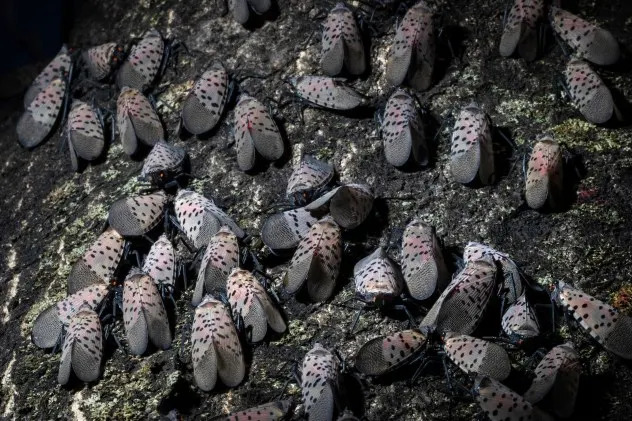
In this Thursday, Sept. 19, 2019, photo, spotted lanternfly gather on a tree in Kutztown, Pa. (AP Photo/Matt Rourke)
Preferred Hosts And Damage Potential
Spotted lanternflies feed on many plants. Among their preferred hosts are grapevines, red and silver maples, and the invasive tree-of-heaven. Large congregations can appear on a single host tree — Urban describes seeing trees literally covered with thousands of insects — but heavy numbers on an established ornamental tree have not been documented to cause immediate tree death.
Grapevines are a greater concern. Penn State research shows that severe infestations can reduce the energy reserves in grapevine roots, lower sugar content in grapes, decrease future yields and, in extreme cases, contribute to vine loss. That makes vineyards particularly vulnerable as the insect continues to spread westward.

A spotted lanternfly on grapevines at Bluemont Vineyard, on Friday, July 25, 2025, in Bluemont, Virginia. (Photo by Graeme Sloan/For The Washington Post via Getty Images)
Regional Notes
Important grape-growing regions still free of confirmed infestations offer some hope. For example, Pennsylvania's Lake Erie Concord grape belt — about 32,000 acres of vineyards — had not reported lanternflies at the time of reporting.
What Homeowners, Growers And Travelers Can Do
- Report sightings to your state department of agriculture or local extension service so officials can track and respond to new infestations.
- Inspect and clean vehicles, trailers, trains and outdoor equipment before travel. Lanternflies and egg masses are often moved accidentally on transported items.
- Remove egg masses when practical (scrape into a sealed bag or container and discard). For active infestations, work with licensed pest professionals and follow state-recommended management plans; large-scale control is coordinated by agencies and researchers, not only by homeowners.
- If you need to kill individual adults, approach from the front and act quickly: lanternflies tend to jump forward and can be difficult to swat.
Ongoing monitoring, coordinated control efforts and research are important as spotted lanternflies become established across a broader portion of the country. While the species is persistent, targeted prevention and rapid reporting can slow new introductions and protect vulnerable crops like grapes.
Help us improve.