The Australian federal government has pledged an additional A$2.7 million to complete feral cat eradication on Kangaroo Island’s Dudley Peninsula, aiming for full removal by 2030. The peninsula is protected by a three‑kilometre cat‑proof fence and a program that pairs traps with AI-powered 4G cameras, detection dogs, thermal drones and community reporting. Since 2020, teams have removed over 1,800 cats and estimate fewer than 150 remain by 2025. Officials say eradication will protect more than 30 threatened species and bolster resilience against other threats.
Australia Pours A$2.7M Into Campaign To Eradicate Feral Cats From Kangaroo Island
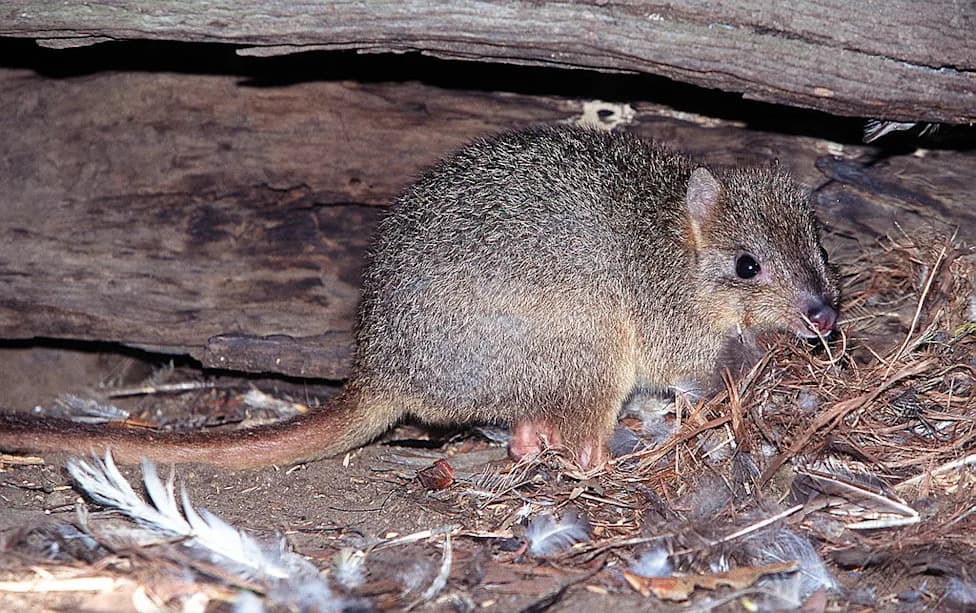
A rare Burrowing Bettong hides under a hollow log near Cygnet River on Kangaroo Island 14 April, 1999 having been driven to near extinction on mainland Australia by foxes and feral cats. The species survives on a handful of offshore islands and is now being reintroduced to protected mainland reserves.
Australia has boosted funding for an ambitious conservation campaign on Kangaroo Island, pledging an additional A$2.7 million to finish removing feral cats from the Dudley Peninsula and secure the area as a permanent refuge for native wildlife.
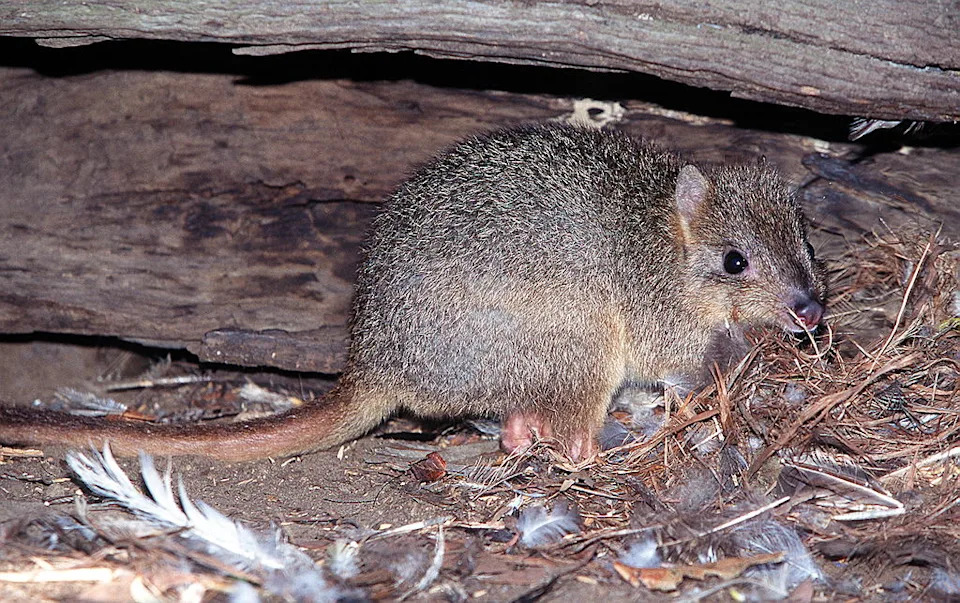
A rare Burrowing Bettong hides under a hollow log near Cygnet River on Kangaroo Island 14 April, 1999 having been driven to near extinction on mainland Australia by foxes and feral cats. The species survives on a handful of offshore islands and is now being reintroduced to protected mainland reserves.
Why It Matters
Feral cats are one of Australia’s most destructive invasive predators. The government estimates they kill roughly 2.6 billion native animals each year and have contributed to the extinction of more than 20 mammal species. Kangaroo Island shelters more than 30 threatened species — including the Kangaroo Island dunnart, the island echidna, the southern brown bandicoot and the hooded plover — that stand to benefit directly from eradication efforts.
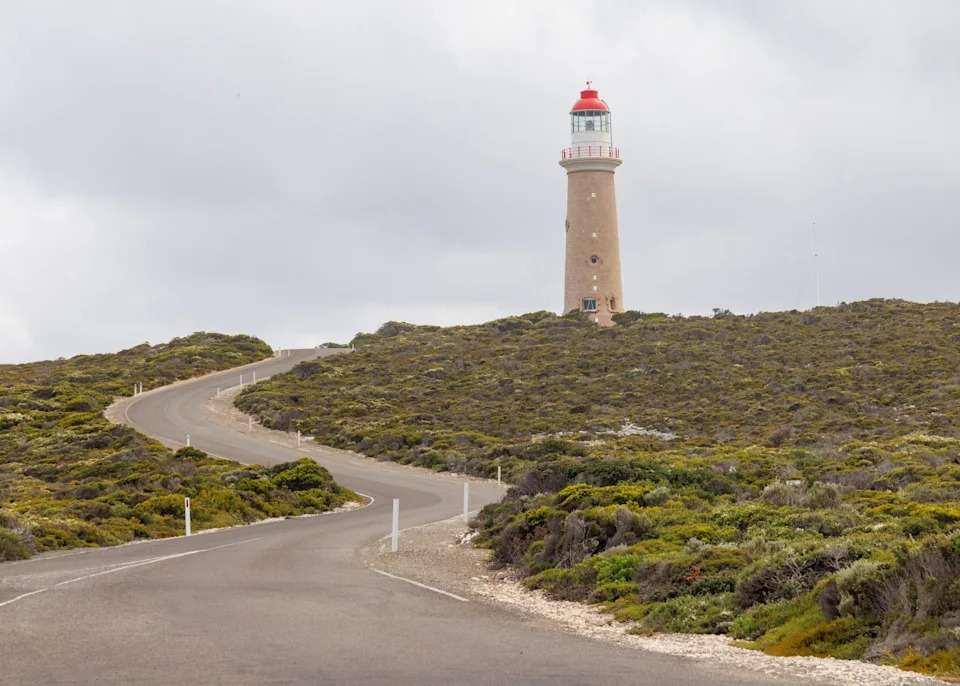
Winding road leading to the Cape du Couedic lighthouse through a coastal landscape in Flinders Chase National Park located in the west of Kangaroo Island also called KI in southern Australia on February 7, 2025.
What The New Funding Will Do
The federal contribution announced on July 25 supplements A$800,000 from the South Australian government and A$370,000 in philanthropic funding coordinated through the Invasive Species Council, bringing total investments on the Dudley Peninsula program to more than A$7 million since 2020. The aim is full eradication of feral cats from the peninsula by 2030 and stronger resilience for at-risk species against other threats such as H5 avian influenza.
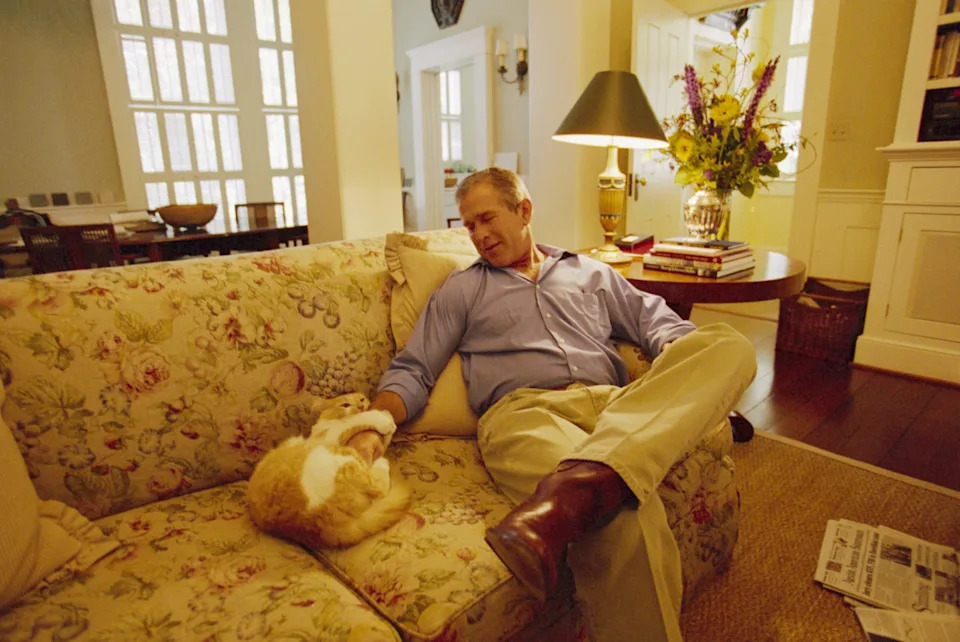
President George W. Bush plays with his cat, Ernie, at the Governor's Mansion in Austin, Texas. While domestic cats are cherished companions, feral cats introduced into non-native environments have become one of Australia's most destructive invasive predators.
Methods And Progress
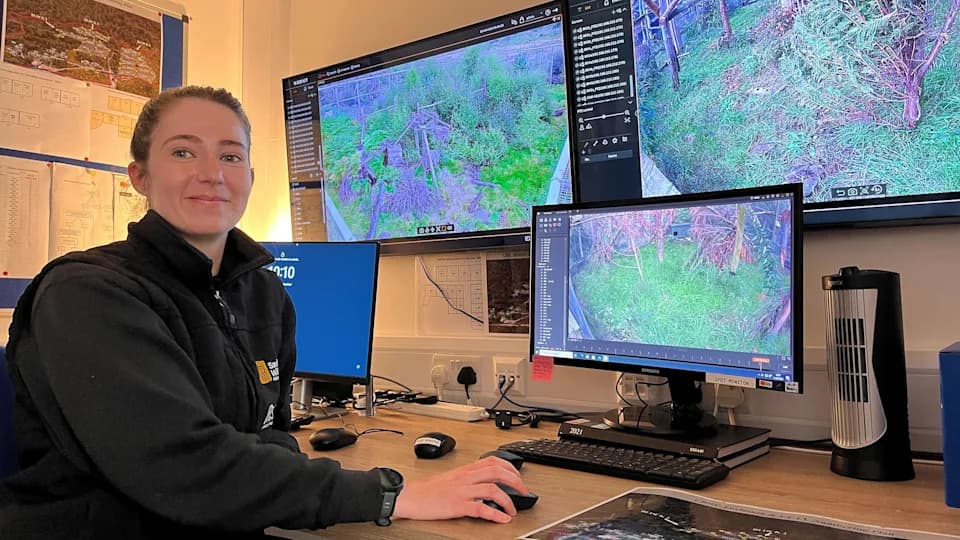
Teams are combining proven field techniques with advanced technology and community reporting. The Dudley Peninsula is isolated behind a three-kilometre cat‑proof fence to prevent reinvasion. On the ground, the program uses a remotely monitored, landscape-scale trap network supported by AI-powered 4G cameras that provide near-real-time locations of cats, specially trained detection dogs, thermal drones and a public "Call in a Cat" reporting service.
Since 2020, the Kangaroo Island Landscape Board and partner organisations report more than 1,800 feral cats removed from the Dudley Peninsula, reducing the estimated population to fewer than 150 animals by 2025 and bringing complete eradication on this populated island within reach.
Federal Minister for the Environment and Water Murray Watt said the investment is needed to ensure recent gains are sustained and that local wildlife has a chance to recover.
Jack Gough, CEO of the Invasive Species Council, described island eradication as among the most effective conservation investments, noting Kangaroo Island’s prior success removing feral deer, goats and pigs.
National Context
Australia’s 2024 Threat Abatement Plan for Predation by Feral Cats estimates 1.4 to 5.6 million feral cats nationwide, with local populations fluctuating in response to rainfall and prey availability. Feral cats threaten more than 200 nationally listed threatened species, making sustained, well-funded eradication efforts a high conservation priority.
If successful, the Dudley Peninsula program will stand as one of the world’s leading examples of invasive predator management on a populated island, demonstrating how targeted investment, community engagement and modern technology can protect unique ecosystems.
Help us improve.