Researchers documented 24 endangered Indiana bats at a single maternity roost in Joyce Kilmer–Slickrock Wilderness, Graham County — the first major sighting in over a decade. The bats were found in a dead hemlock used as a nursery roost. White-nose syndrome has driven dramatic declines in bat populations, and researchers used mist-netting, cave counts and acoustic monitoring to detect this colony. Continued disease surveillance and habitat monitoring are essential to understanding and supporting recovery.
24 Endangered Indiana Bats Rediscovered in Western North Carolina After More Than a Decade
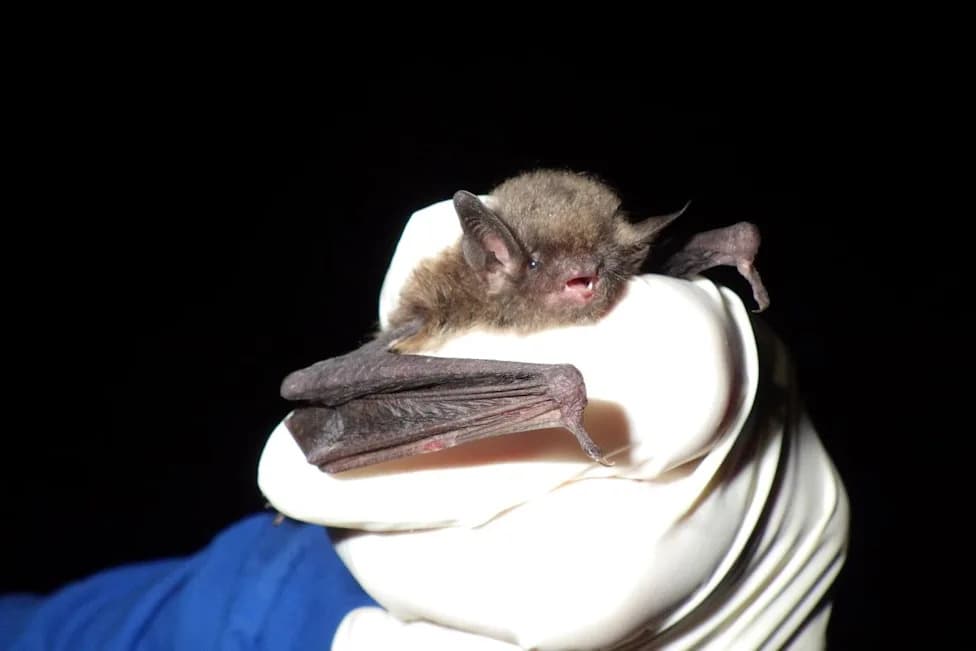
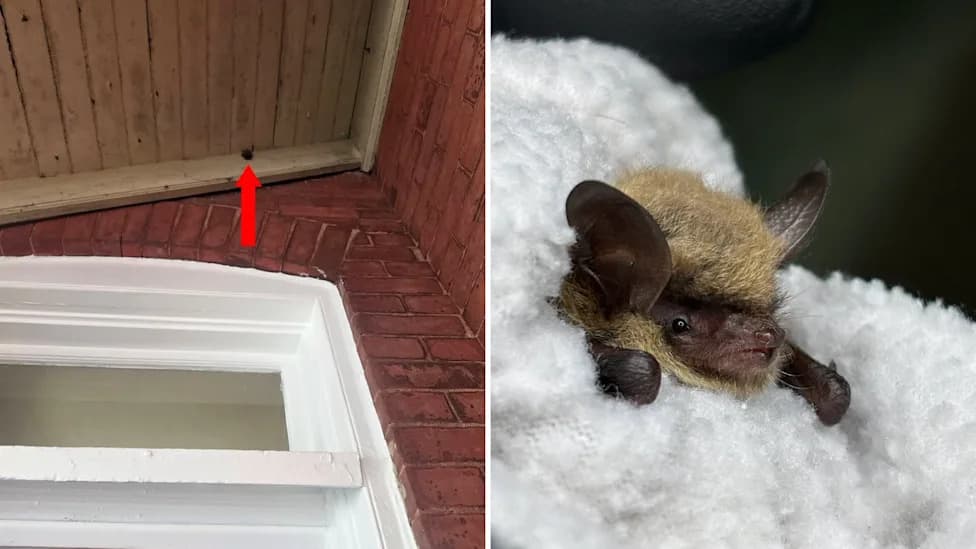
Photo Credit: North Carolina Wildlife Resources Commission
Researchers have documented a hopeful sign for an endangered species: 24 Indiana bats were found at a single maternity roost in western North Carolina, the first notable sighting and capture in the region in more than ten years.
The group was located by North Carolina Wildlife Resources Commission (NCWRC) biologists in Graham County, inside the Joyce Kilmer–Slickrock Wilderness. The bats were roosting in a dead hemlock tree that served as a nursery roost where females give birth and raise pups.
Why This Matters
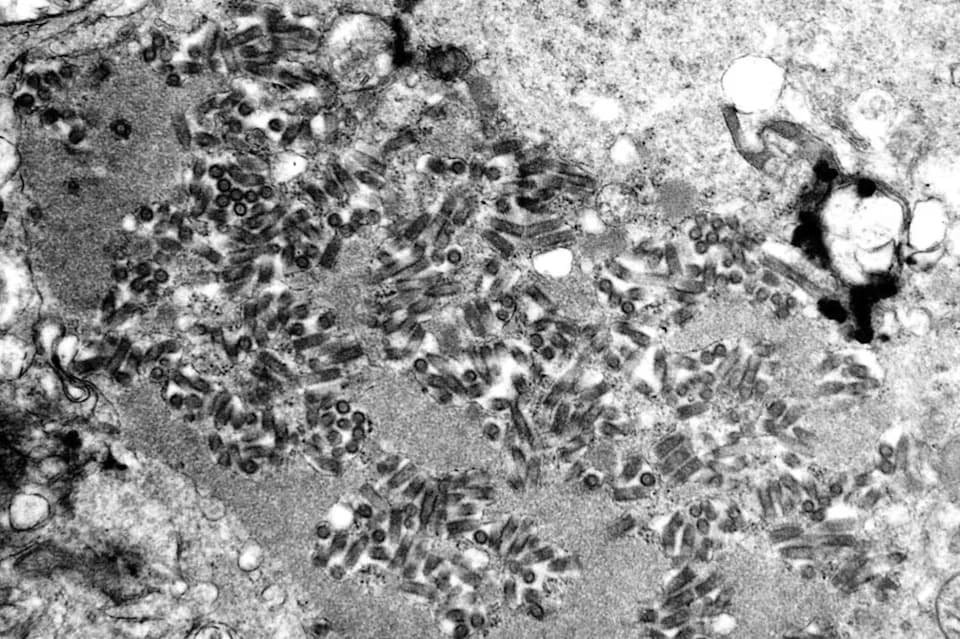
This discovery is significant because white-nose syndrome, a fungal disease that has devastated bat populations across North America, pushed Indiana bats in North Carolina nearly to local extinction. The National Park Service estimates that white-nose syndrome has reduced populations of three bat species in affected caves by roughly 90% because infected hibernating bats wake early and deplete winter energy reserves.
How The Bats Were Found
State and partner researchers used intensive monitoring methods to detect and capture the bats, including mist-netting, winter cave counts and acoustic equipment that records ultrasonic bat calls. These techniques help scientists confirm presence, track reproduction and monitor colony health.
Ongoing Pressures
In addition to disease, regional climate pressures compound threats to bats. Gabrielle Graeter, western wildlife diversity supervisor for the NCWRC Wildlife Diversity Program, noted that flooding, extreme heat and storms have stressed bat populations by reducing available roosts and altering insect prey abundance. Hurricane Helene, for example, toppled trees used by bats for roosting.
“Before white-nose syndrome arrived, we didn't find a lot of them, but it was not uncommon to find one or two or a few here or there,” Graeter told reporters, underscoring how rare sustained Indiana bat sightings have become.
Virginia Tech researcher Jesse de la Cruz added that Indiana bats rely on networks of dead trees and often move between clumps of suitable roosts. “They kind of form nomadic colonies whereby they find that next clump of dead trees,” he said.
Next Steps
Researchers emphasize continued monitoring and disease surveillance to understand why some bats persist while others decline. Ongoing mist-netting, cave counts and acoustic surveys will help scientists track where Indiana bats are surviving, whether they are reproducing successfully and which factors — genetic, environmental or otherwise — may contribute to resilience against white-nose syndrome.
Bats provide critical ecosystem services by controlling insect populations, supporting healthy forests, farms and outdoor spaces. The rediscovery of a maternity colony in western North Carolina offers a cautious note of optimism and a clear reason to maintain conservation and monitoring efforts.
Help us improve.