Rescuers in Lancaster found a northern long-eared bat — a species now critically endangered — hanging on a porch for two days and severely dehydrated at just six grams. Raven Ridge Wildlife Center stabilized her and transferred the bat to Pennsylvania Bat Conservation and Rehabilitation for specialized care. The case underscores the devastating impact of white-nose syndrome and connects to broader bat conservation and research efforts worldwide.
Lancaster Rescue Reveals Critically Endangered Northern Long-Eared Bat
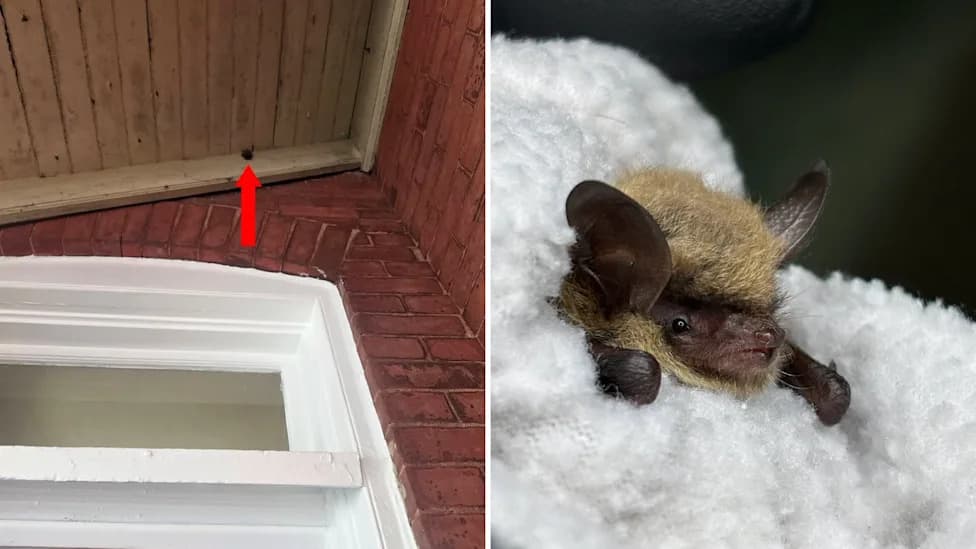
Photo Credit: Raven Ridge Wildlife Center
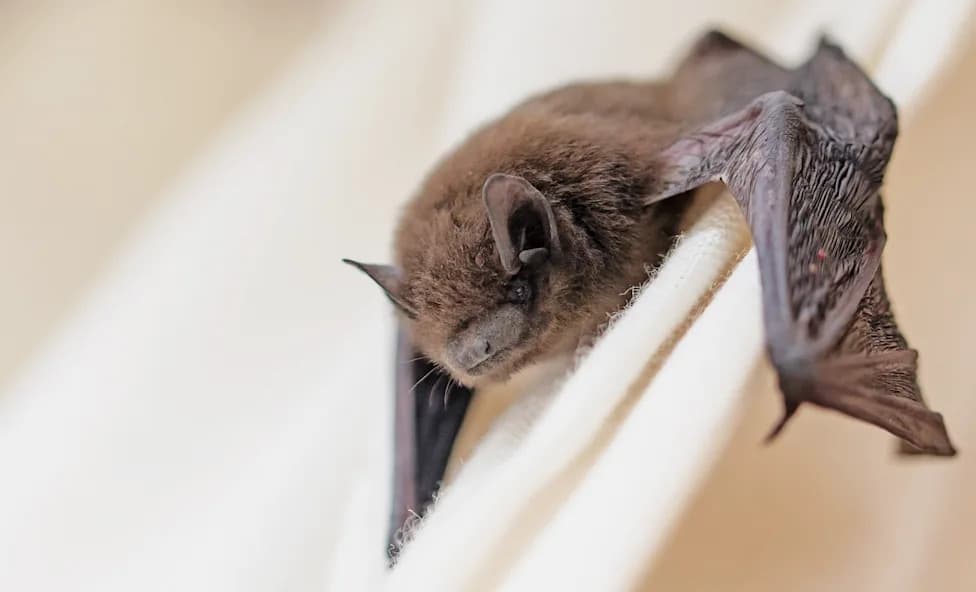
What began as a routine wildlife call in downtown Lancaster, Pennsylvania, turned into an urgent conservation moment when rescuers discovered a northern long-eared bat — a species now listed as critically endangered in North America.
Responders from Raven Ridge Wildlife Center were called to a residence after a bat had been visible and exposed on a porch for two days. In a Facebook update, Raven Ridge said the animal "had been hanging 12 feet up on a porch in downtown Lancaster for the past two days," and stressed that prolonged exposure in one spot constituted an emergency.
Condition and Identification
After the bat was safely brought down, caretakers found her in poor condition. Raven Ridge reported she was "severely dehydrated and underweight at just six grams for this time of year." The rescuers then discovered the bat appeared different from their usual admissions; after sharing photos for confirmation, the animal was identified as a northern long-eared bat.
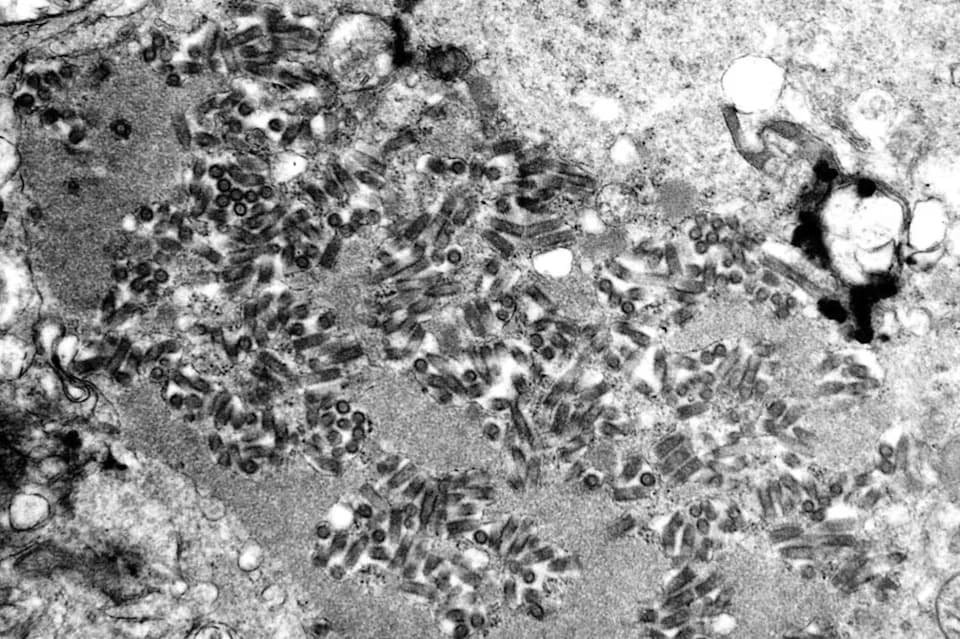
Raven Ridge noted that the northern long-eared bat has suffered a catastrophic decline, writing that the species is "critically endangered in North America due to a staggering 97% to 100% population collapse caused by white-nose syndrome."
Care and Conservation Context
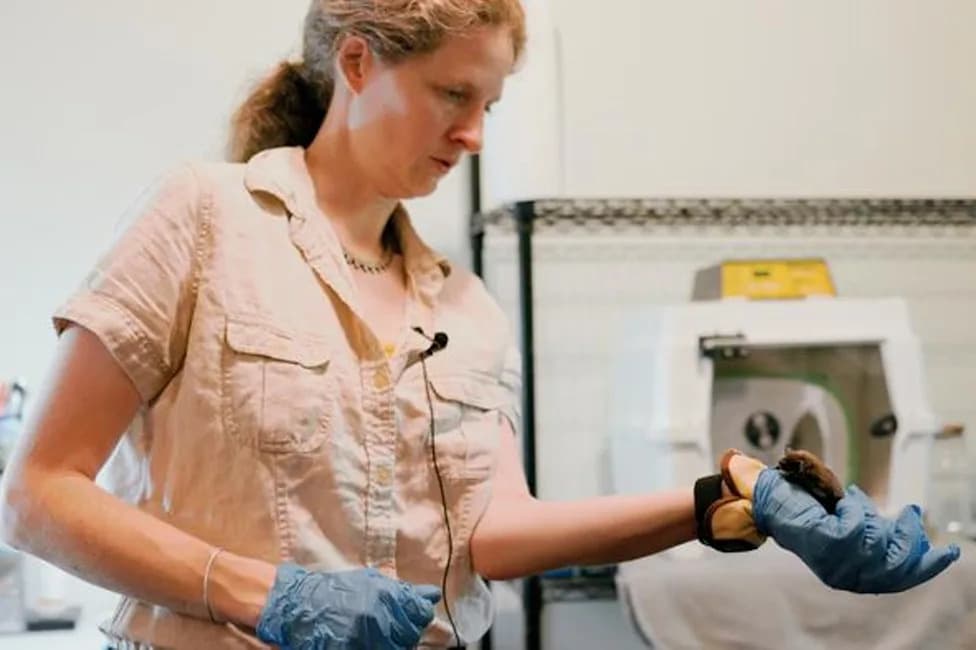
Raven Ridge stabilized the bat at its facility and transferred her to Pennsylvania Bat Conservation and Rehabilitation, an organization that specializes in the research and rehabilitation of critically endangered bats and can provide species-specific care and social placement.
Although this rescue involves a single animal, Raven Ridge emphasized that proper care and placement with other members of the same species can materially improve survival chances. The case also highlights broader threats to bats, including white-nose syndrome and habitat pressures, and connects to conservation efforts and research around the world.
Related Conservation Stories
- Arizona officials unveiled a recovery plan for pollinating long-nosed bats.
- Deadly fungal disease has devastated colonies in Washington state, with consequences beyond cave ecosystems.
- Declining bat populations are affecting farmers who depend on bats for natural pest control.
- European researchers tracking noctules found unexpected hibernation patterns linked to warming winters.
- Global studies report unusual dietary shifts in some bat populations, including increased ant consumption.
Local rescues like this one show that conservation work often starts in neighborhoods — and that everyday observers who report distressed wildlife can play a key role in saving imperiled species.
Help us improve.