The island nation formerly known as Nauru has officially restored its indigenous name, becoming the Republic of Naoero. Parliament gave unanimous approval in May and leaders later decided not to hold a public referendum, saying the name is already used locally and permitted by the constitution. The move updates formal identifiers — residents will be called dei-Naoero and the international code will change from NRU to NRO — and is part of a wider trend of restoring precolonial names to reaffirm national identity.
Nauru Reclaims Indigenous Name — Now Officially the Republic of Naoero
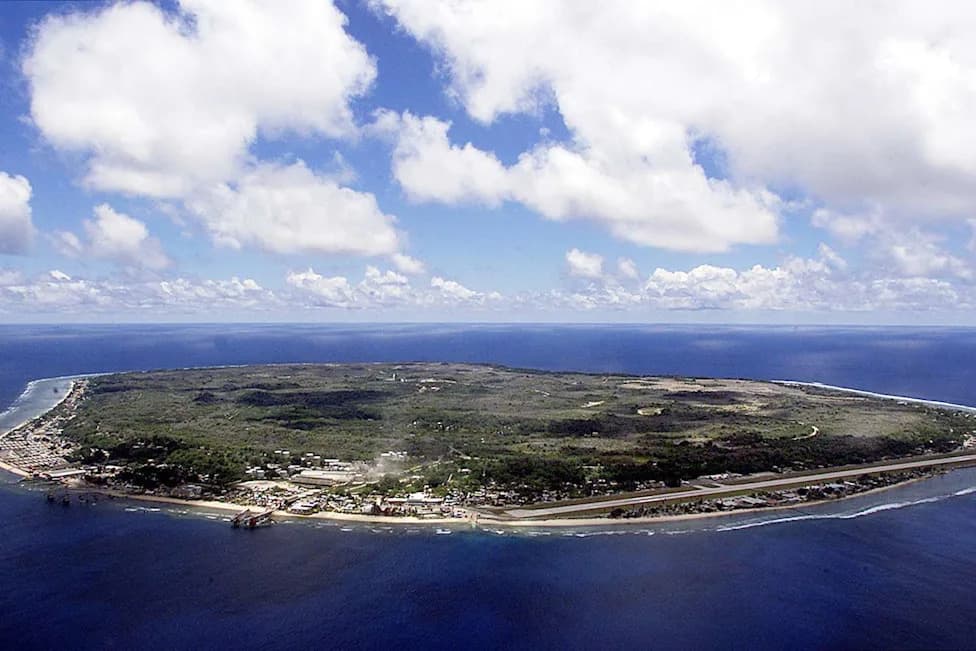
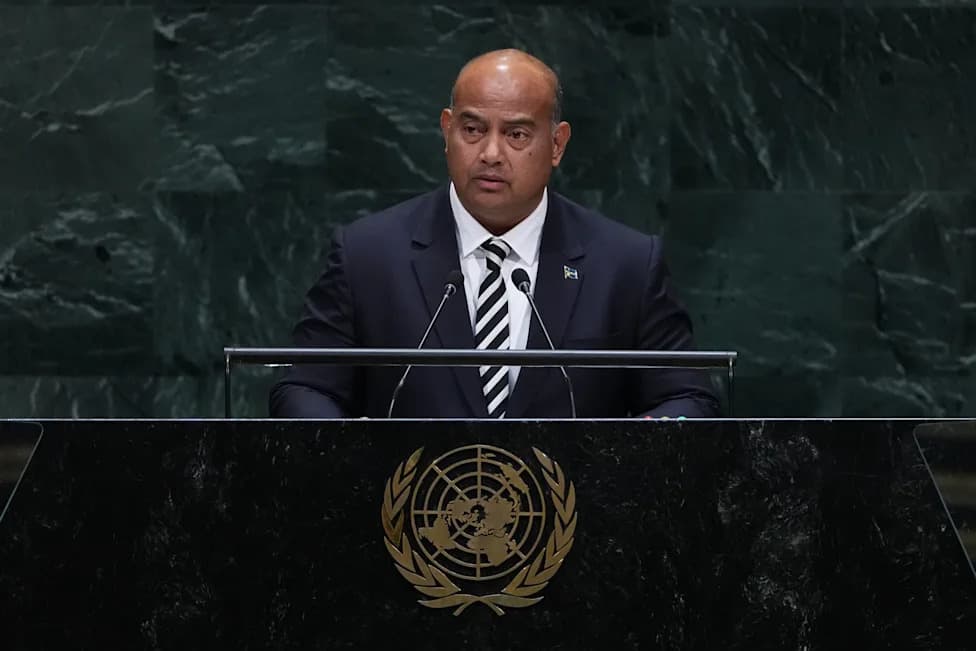
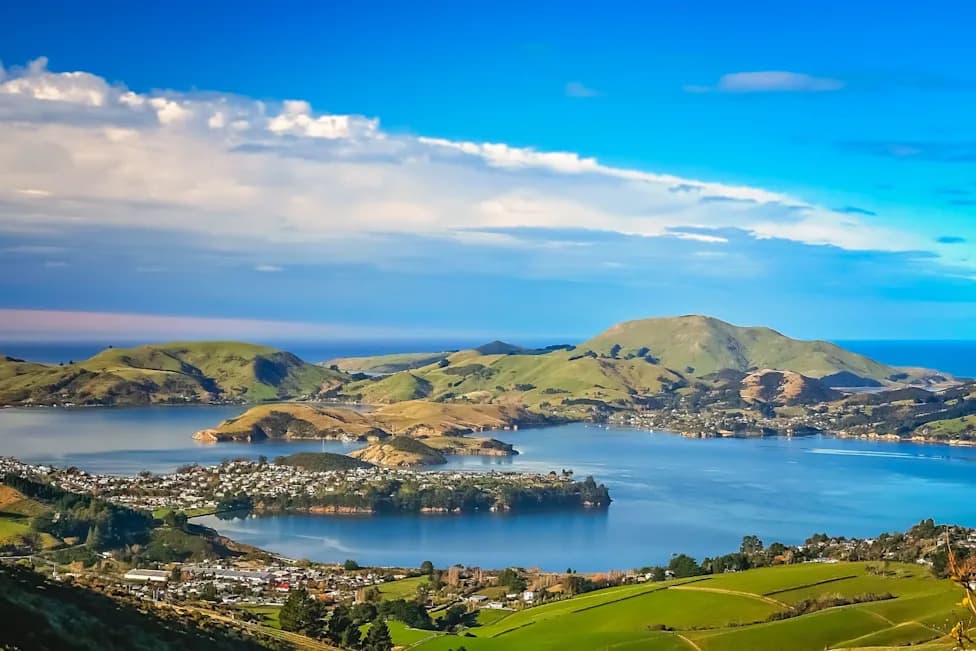
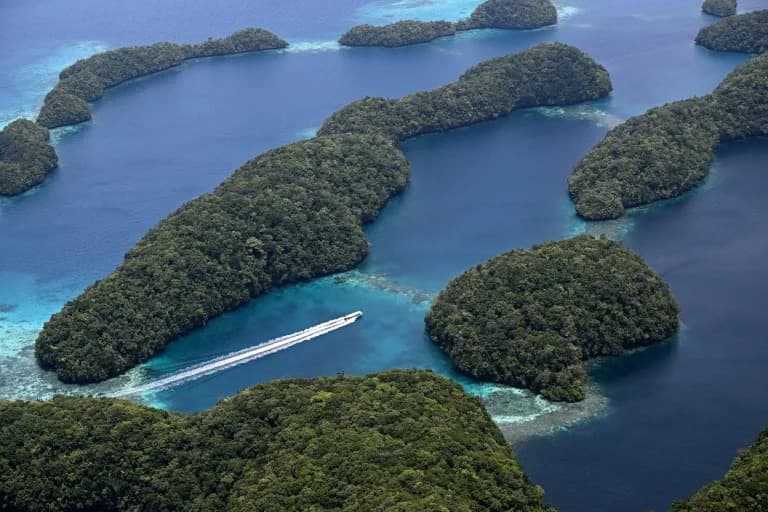
The island nation of NaoeroCredit: TORSTEN BLACKWOOD/AFP via Getty
The island nation long known internationally as Nauru has formally restored its traditional name. The government announced that the country will be officially called the Republic of Naoero, a name already used locally and reflected on the national coat of arms.
Parliamentary Approval and Decision Against a Referendum
Naoero’s parliament unanimously approved the change in May and forwarded it for a proposed referendum. After "thoughtful deliberation," leaders elected not to proceed with a public vote, saying the name already reflects the identity used by the community and is permitted under the constitution.
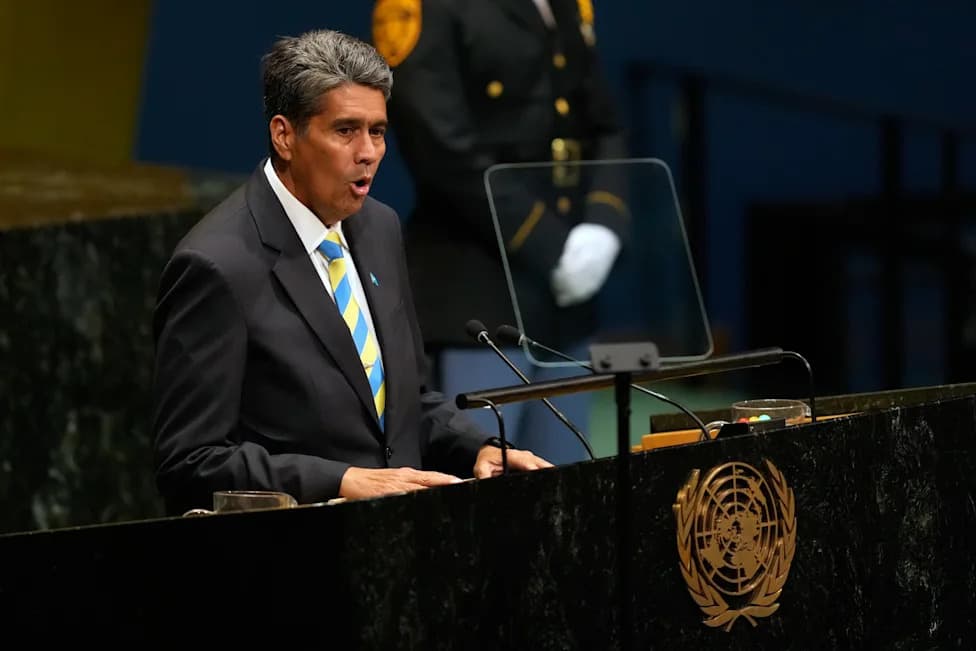
"Naoero is not a new name seeking acceptance by the people. It is already the identity of the people...and importantly is allowed by the Constitution," the government said in a July 29 Facebook post.
What Changes and Why It Matters
The traditional name is pronounced "Now-ero." With the formal change, citizens will be referred to as dei-Naoero and the country's international three-letter code will shift from NRU to NRO. Officials framed the move as an effort to honor the nation’s language, heritage and precolonial identity.
Observers say restoring indigenous place names is part of a broader effort to address the cultural and linguistic legacies of colonization and to reaffirm national identity. Derek H. Alderman, a geography professor at the University of Tennessee, described such renamings as steps toward repairing cultural damage imposed by past colonizers.
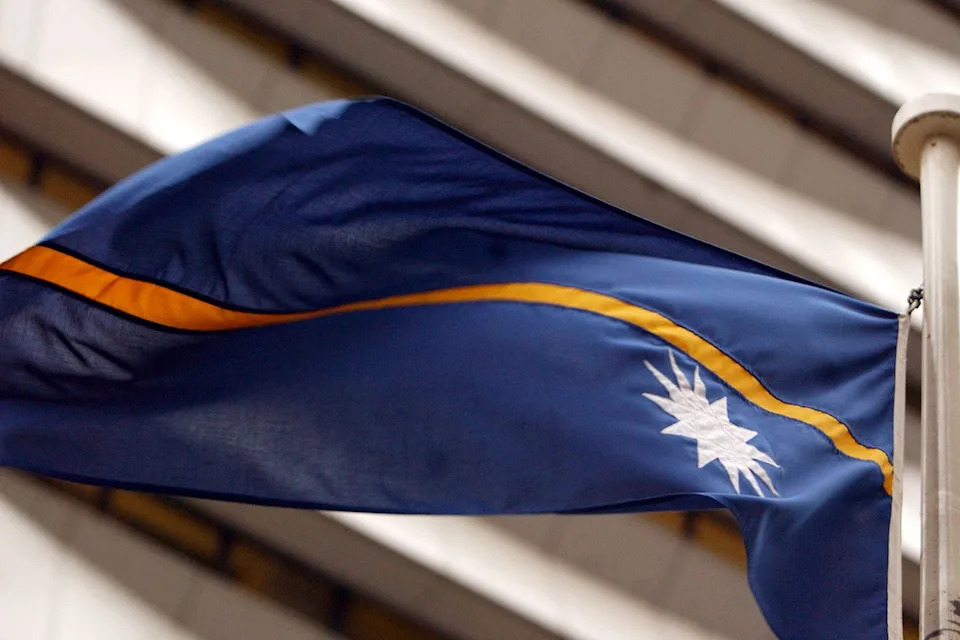
The flag for The Republic of NaoeroCredit: Phil Weymouth/Bloomberg via Getty
Context: People, History and Challenges
Naoero is a tiny Pacific island of roughly eight square miles, home to about 12,000 people — making it one of the world’s smallest states by population. People have lived on the island for an estimated 3,000 years. European contact and later control by powers including Germany, Japan and Australia culminated in independence as the Republic of Nauru in 1968.
Phosphate mining brought substantial wealth in the 1970s but eventual exhaustion of reserves left long-lasting economic and environmental problems. Today, climate change and rising sea levels remain among Naoero’s most pressing concerns, threatening coastal infrastructure and livelihoods.
Regional Comparisons
Naoero’s move follows a pattern in which countries restore precolonial or indigenous names: for example, Swaziland reverted to Eswatini in 2018. Such renamings are often symbolic steps in broader cultural and political efforts to reclaim local languages and identities.
Pronunciation: Naoero — "Now-ero". New Demonym: dei-Naoero. New Country Code: NRO (from NRU).
Help us improve.