Nicaragua has announced an immediate withdrawal from the Central American Parliament (Parlacen), calling the decision an exercise of sovereignty amid ongoing power consolidation by President Daniel Ortega and Rosario Murillo. The move follows an OAS resolution urging the restoration of civil liberties and comes after Managua left the OAS in 2023 and the UN Human Rights Council in 2025. A UN report attributed at least eight in-custody deaths to the government since 2018, and international groups have challenged official explanations, notably in the death of Indigenous leader Brooklyn Rivera. Human Rights Watch has urged US authorities not to deport Nicaraguan exiles who may face persecution if returned.
Nicaragua Withdraws Immediately From Central American Parliament Amid Rights Concerns
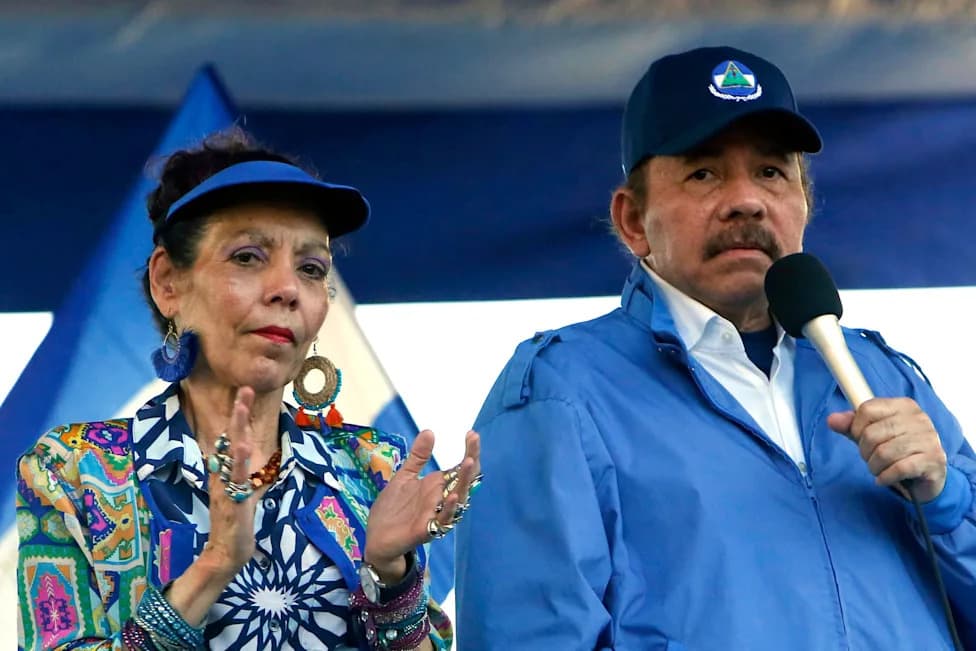
President Daniel Ortega and his wife, Vice President Rosario Murillo, lead a rally in Managua, Nicaragua, on September 5, 2018 [Alfredo Zuniga/AP Photo]
Nicaragua's government announced it will immediately withdraw from the Central American Parliament (Parlacen), saying the move is "in the full exercise of its sovereignty." The decision was announced by the Foreign Ministry and comes as President Daniel Ortega and his co-president and wife, Rosario Murillo, continue to consolidate political control.
What Happened
Authorities said the withdrawal from the six-country assembly, created to promote regional cooperation on democracy and human rights, takes effect immediately. The move follows a resolution adopted on Friday by the Organization of American States (OAS) calling on Nicaragua to restore civil liberties and release political prisoners.
Context and Pattern of Exits
Managua's announcement is the latest in a string of departures from regional and international bodies. Nicaragua left the OAS in 2023 and withdrew from the United Nations Human Rights Council (UNHRC) in 2025 after persistent criticism over its human rights record. The Ortega-Murillo administration has repeatedly accused those institutions of serving as instruments of outside interference.
Human Rights Concerns
Critics say the government has used state power to silence opposition through arrests, forced exile and alleged mistreatment of detainees. A United Nations report published in September concluded that Nicaraguan authorities were responsible for at least eight deaths in custody since 2018, when the government began a harsh crackdown on protests and dissent.
The UN report highlighted inconsistencies in official explanations for some custodial deaths, including the case of Indigenous Miskito leader Brooklyn Rivera. Rivera, a government critic, had been detained for 32 months with limited contact with his family before dying in May. The government attributed his death to lingering effects of a prior COVID-19 infection — a finding that Physicians for Human Rights called "not medically coherent."
"A State that resorts to enforced disappearance and allows persons to die in its custody falls short of the minimum human rights standards required for credible democratic governance," said Jan-Michael Simon, chair of Physicians for Human Rights.
International Reaction
US officials and lawmakers have criticized the Ortega government. Senator Marco Rubio described Nicaragua as a "dictatorship" after Managua announced plans to abolish planned elections, calling the move further evidence of the administration's repression.
Separately, Human Rights Watch and other groups have urged US authorities not to deport Nicaraguans who fled persecution. Reports indicate that eight Nicaraguans have been detained by US authorities on potential deportation proceedings; seven of them were among the 222 political prisoners flown into exile to the United States in February 2023. Human Rights Watch warned that returning these exiles to Nicaragua could expose them to persecution or abuse, and noted that some detainees have pending asylum claims.
Why It Matters
Nicaragua's exit from Parlacen further isolates Managua from regional institutions designed to foster democratic norms and human rights oversight. Observers say the move underlines a broader trend of disengagement from international mechanisms and intensifying domestic repression, raising new concerns about accountability and the prospects for democratic restoration.
Help us improve.