Namibia’s president, Netumbo Nandi-Ndaitwah, is pressing foreign investors to build mineral-processing plants locally and form joint ventures with Namibian partners. The call is part of a wider African trend to retain more value from critical minerals amid US–China competition. Namibia already requires 15% local ownership for new mining licences and is considering tougher legal obligations as it seeks to tackle unemployment and boost domestic industry.
Namibia Presses Foreign Firms to Build Local Mineral Processing—Or Go Home
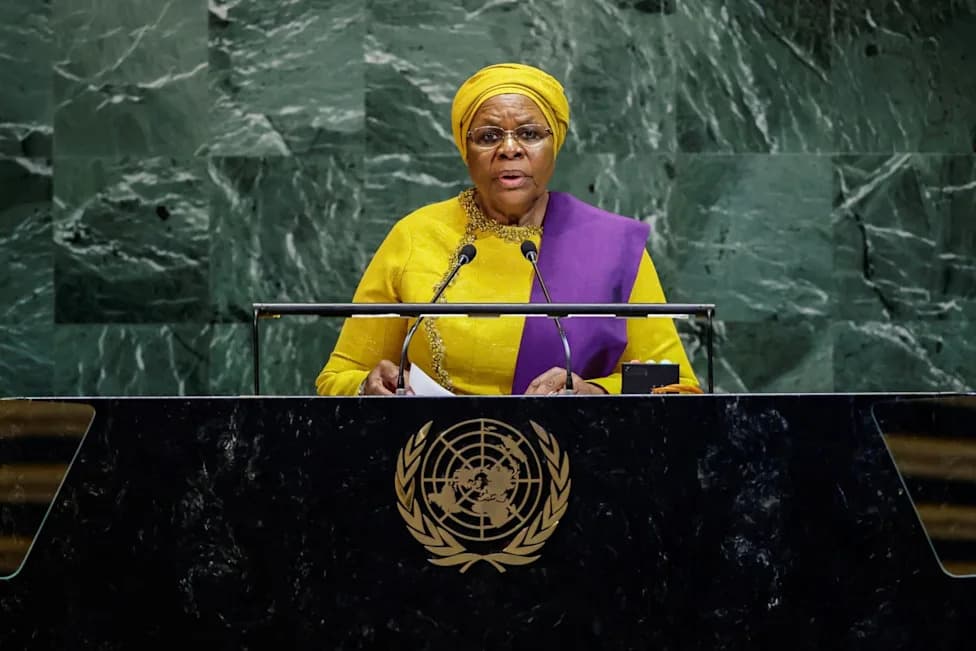
Namibia's president eyes local mineral processing
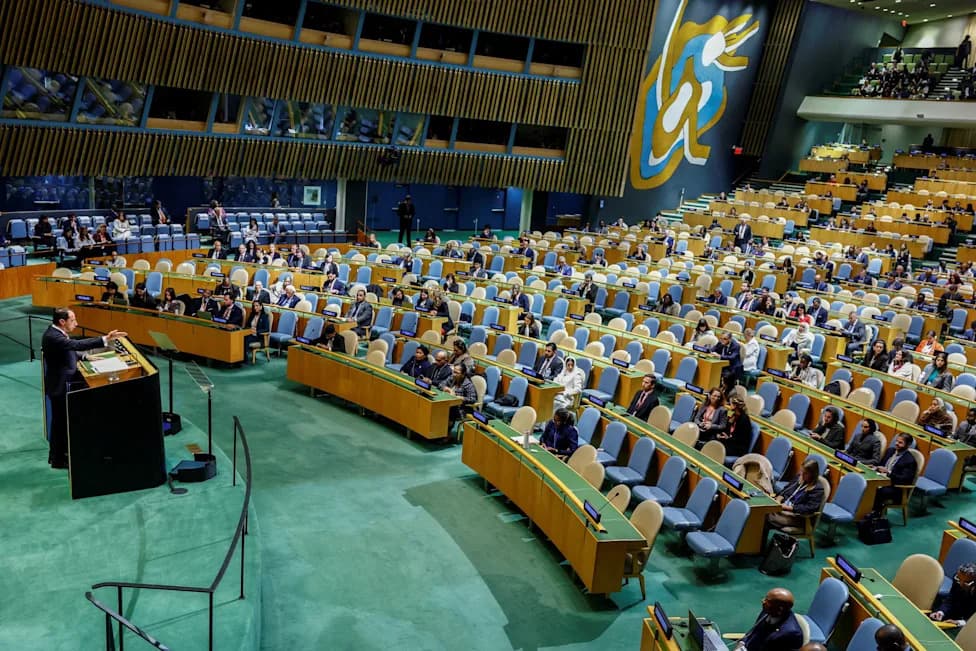
Namibia's president, Netumbo Nandi-Ndaitwah, has issued a clear demand to foreign investors: build mineral-processing plants on Namibian soil or look elsewhere. Speaking to Semafor at an Invest Africa event on the sidelines of the UN General Assembly, she made local processing and deeper local partnerships central to her government's strategy for turning resources into jobs and broader economic benefit.
“When you are coming to Namibia, you don't want to be a briefcase business,” Nandi-Ndaitwah said. “You have to put up a processing plant in our country.” Namibia, she noted, has long exported raw minerals only to import finished goods, forfeiting value-added jobs and revenues.
The country is a major producer of uranium and also hosts deposits of lithium, rare earths, copper and graphite. In return for onshore processing, the president offered investors long-term partnerships and pointed to Namibia’s political stability—36 years of peace since independence—as an advantage. She also urged foreign companies to form joint ventures with local entrepreneurs “so that you become part and parcel of us.”
Part of a Broader Continental Trend
Nandi-Ndaitwah’s stance mirrors a wider shift across Africa, where governments are responding to surging global demand for critical minerals and geopolitical competition—especially between Washington and Beijing—by seeking a greater share of the value chain. About a dozen countries, including Guinea, Malawi and Zimbabwe, have restricted exports of unprocessed minerals to force local refining, drawing lessons from Indonesia’s nickel strategy.
Those policies aim to capture more value domestically and create jobs rather than remaining suppliers of raw inputs for overseas industries.
Ownership Rules and Political Context
Beyond processing, Nandi-Ndaitwah signaled tougher rules on ownership. When asked whether local partnership would be mandatory, she told Semafor: “In fact, we are putting it in the law.” Namibia’s economic-empowerment framework dates back to a cabinet-approved draft from 2015 that was expected to become law by 2018 but stalled after controversy over a clause requiring businesses owned by previously advantaged Namibians to cede 25% to previously disadvantaged citizens; that clause was later removed.
Meanwhile, mining policy is already moving faster: since 2021 Namibia requires 15% local ownership for new mining licences. Officials floated a potential 51% threshold last year, prompting pushback from the Chamber of Mines, which warned against importing other countries’ models without adaptation.
Nandi-Ndaitwah rejected simplistic comparisons with South Africa’s black economic empowerment framework, saying that outcomes depend on implementation. She pointed to tourism conservancies she oversaw as environment minister, where investor stakes began at 60–70% and stepped down to roughly 51–49 in partnership with local communities.
Jobs, Youth and the Stakes
The push for local processing and ownership is driven by a deep jobs crisis. The president warned that more than 40% of Namibians are unemployed and described the situation as a “time bomb.” She won the presidency in 2024 on a pledge to spend N$85 billion (about US$5 billion) to create 500,000 jobs by 2029—a steep target for a country of roughly 3 million people and a GDP near US$14 billion.
“Even when you have your mine there, it's not safe,”
She framed the reforms as part of a continental imperative: without opportunities at home, many young Africans will continue to leave in search of better prospects. Discoveries of offshore oil could help fund Namibia’s jobs programme—or, if not managed inclusively, deepen perceptions that the country’s wealth primarily benefits outsiders.
What to watch next: whether the government moves to enshrine mandatory local partnerships in law, how investors respond to onshore-processing requirements, and how policy shifts will affect investment, jobs and revenue flows in Namibia’s mining sector.
Help us improve.