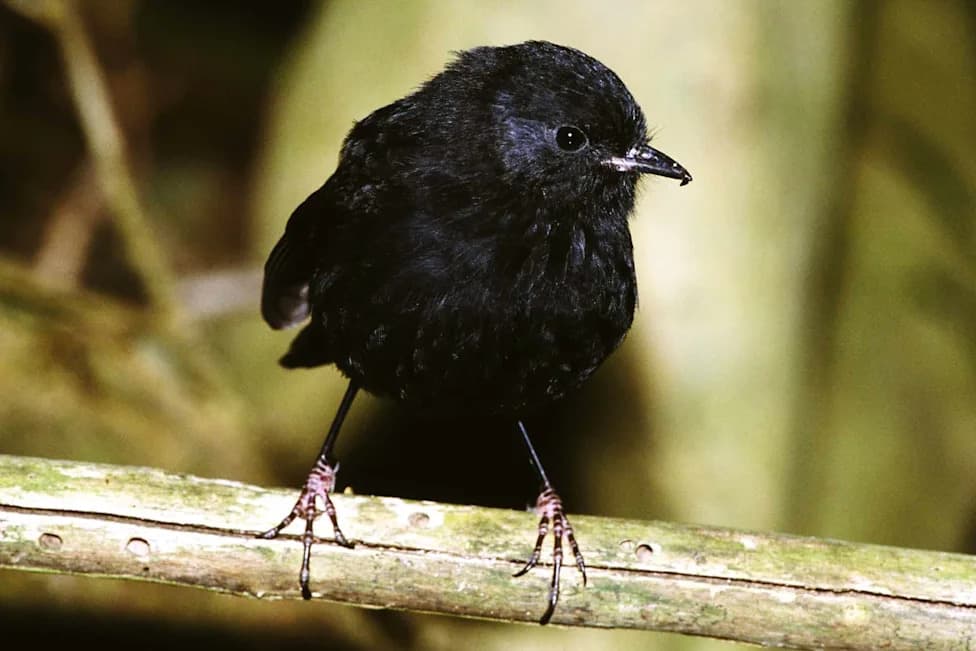
The black-naped pheasant-pigeon (Otidiphaps insularis), locally called 'Auwo', was photographed on Fergusson Island in 2022—its first confirmed record since 1882. A month-long search led by Jordan Boersma and John C. Mittermeier, guided by islanders' knowledge, culminated when a camera trap captured the bird two days before the team planned to leave. A viral video of the jubilant reaction by local biologist Doka Nason and researchers highlighted the discovery's emotional and scientific significance. The find underscores the value of Indigenous knowledge and collaboration in conservation.
After 140 Years, 'Auwo' Photographed: Black‑Naped Pheasant‑Pigeon Rediscovered on Fergusson Island
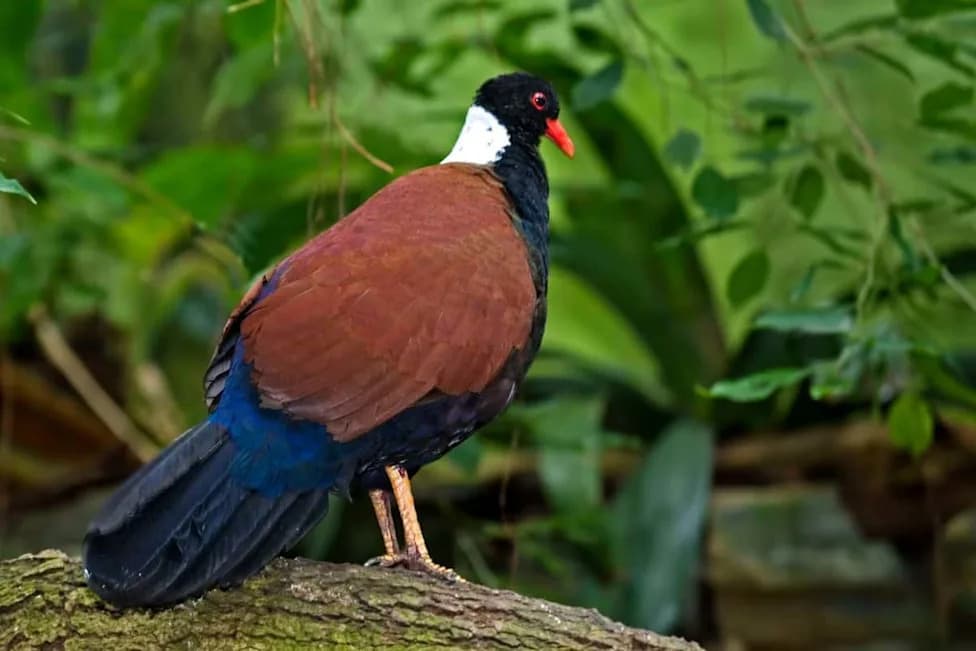
"Lost for 140 years: the "mythical bird" caught on camera at last "© hstiver/ via Canva.com
In 2022, a remote corner of Papua New Guinea became the scene of a dramatic conservation win when researchers and island villagers on Fergusson Island obtained the first photographic evidence in 140 years of the black-naped pheasant-pigeon (Otidiphaps insularis), locally known as 'Auwo'.
The ground-dwelling species had not been reliably recorded since 1882—an absence that left no confirmed sightings, calls, feathers or tracks and led many to fear it was lost. Islanders, however, continued to tell stories of the bird, and their traditional knowledge proved crucial in guiding the search.
How the Rediscovery Happened
The month-long expedition, led by Jordan Boersma of the Cornell Lab of Ornithology together with John C. Mittermeier, director of the American Bird Conservancy's Search for Lost Birds Program, scoured Fergusson Island with help from local villagers and biologists. Just two days before the team planned to leave, a camera trap captured a decisive image that changed the narrative.
The discovery was recorded on video: local biologist Doka Nason leaps in joyful celebration while both Nason and Boersma audibly repeat 'Auwo' in disbelief. Boersma later said the sight felt like being 'confronted by an image of a mythical creature,' and Mittermeier called it 'the kind of moment you dream about your entire life as a conservationist and birdwatcher.' The clip went viral, bringing global attention to Fergusson Island.
About the Species
The black-naped pheasant-pigeon is visually striking, with bronze, green and black plumage and a notably dark nape. Though related to pigeons and doves, its form is pheasant-like: it has a flattened, bobbing tail and powerful legs adapted to life on the forest floor.
Why This Matters
Beyond the excitement of a long-lost species returning to the record, the find highlights the power of collaboration between scientists and Indigenous communities. Local knowledge not only helped locate the bird but also underscores the role communities play in conserving endemic wildlife. The rediscovery adds momentum to ongoing efforts to survey, protect and study rare forest species.
This was not the Search for Lost Birds team's only triumph: in 2026 they helped confirm the blue-fronted lorikeet on Buru in Indonesia, a species unseen for a century. Such successes keep hope alive for other species once thought to be 'mythical' or extinct.
Bottom line: The Auwo's return from 140 years of absence is both an ornithological milestone and a reminder that respectful partnerships with local communities are essential to discovering and protecting the world's hidden biodiversity.
Help us improve.