The US will spend about $500 million to expand a WWII-era wharf and deepen Malakal Harbour in Palau, adding radar, an expanded airstrip, a Marines stockpile and a restricted warehouse. Residents and leaders fear the build-up could make the islands a strategic target and have filed a 2,000-signature petition seeking safety guarantees. Environmental assessments warn of 4.26 hectares of coral loss and threats to dugongs, turtles and other marine life, prompting calls for stronger safeguards and independent monitoring.
US $500M Port Upgrade in Palau Sparks Fears of Becoming a Strategic Target
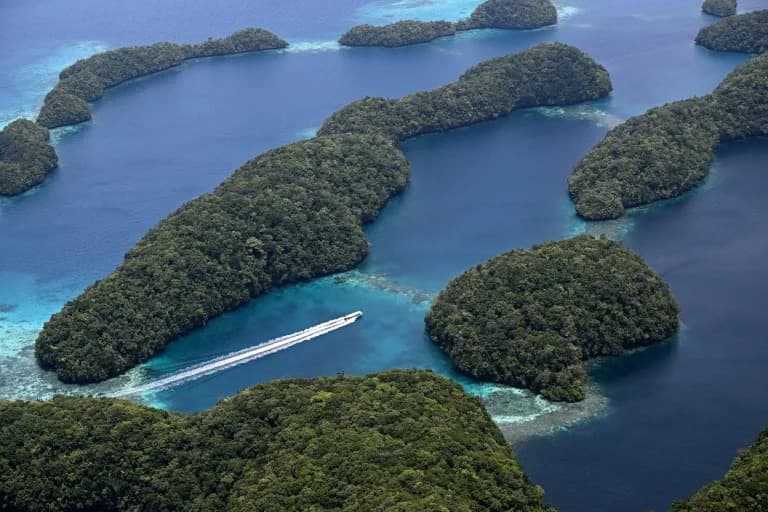
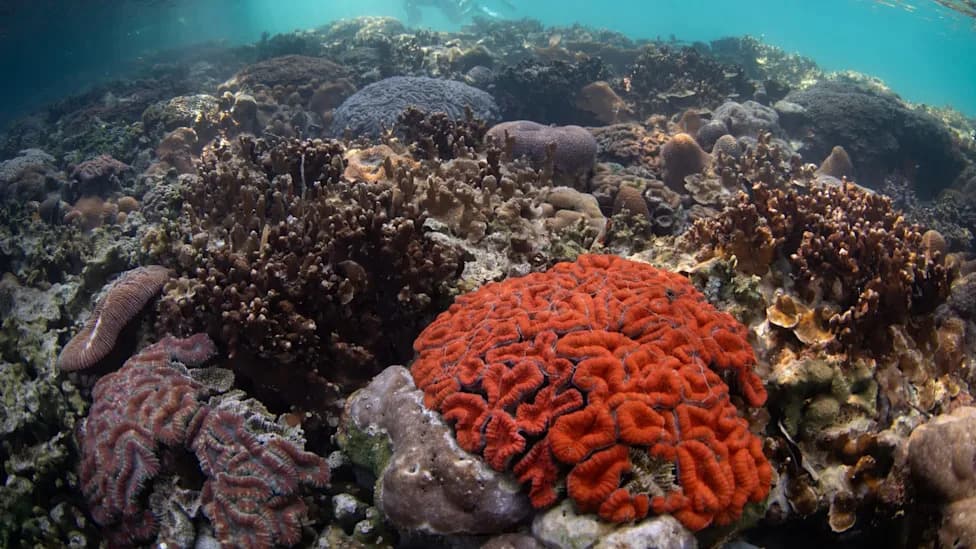
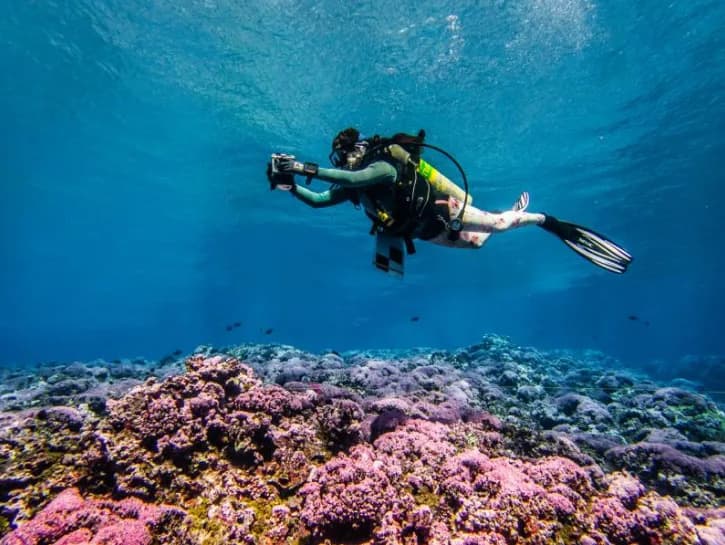
UNESCO describes Palau's marine lakes as "natural laboratories" for science, yielding new species in a zone abundant with large coral. (Saeed KHAN)
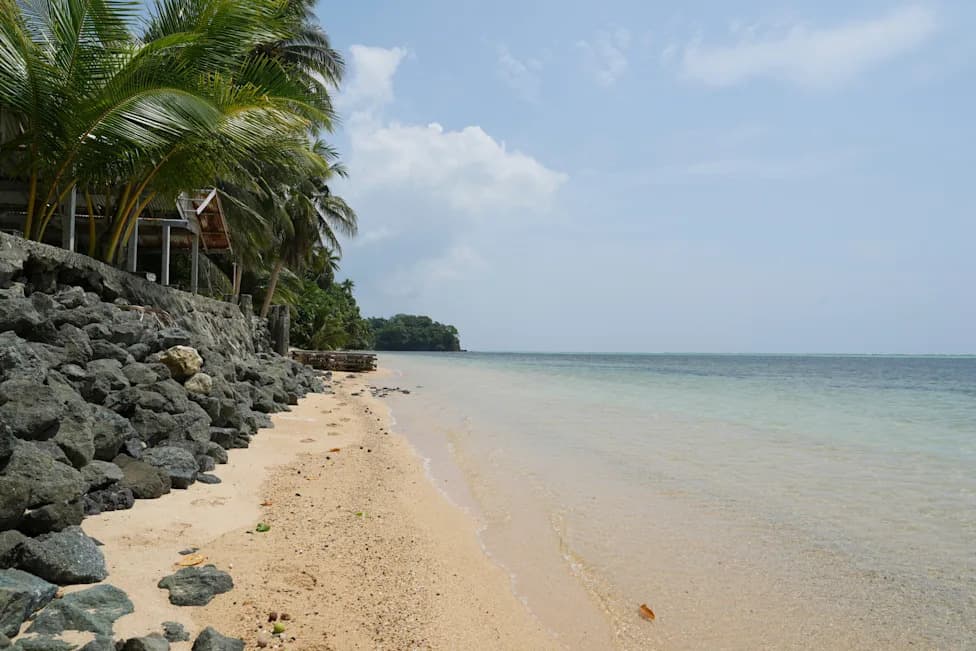
The US plan to rebuild and expand Palau's main port — including dredging Malakal Harbour and enlarging a World War II–era wharf — has reignited wartime memories and raised fresh concerns that the remote Pacific nation could be drawn into a great-power conflict.
Project Overview
Under a roughly $500 million program, the deteriorating wharf in Koror will be enlarged to berth larger vessels, the harbour will be deepened, land is being cleared for a military radar site, and a remote airstrip will be widened to accept heavy aircraft. Tender documents also show plans for a crisis-ready stockpile for US Marines and a 10,000-square-foot restricted warehouse to hold mooring gear and repair equipment.
Local Anxiety and Historical Trauma
Palau — an archipelago of about 17,000 people located roughly 500 miles (800 km) west of the South China Sea — remains haunted by stories of fighting in World War II. Residents have asked US officials how civilians would be protected if a future conflict reached their small islands, which have less than 177 square miles of habitable land. "Where would they go? The concern is very real," said Madelsar Ngiraingas, who grew up hearing accounts from her grandmothers about fleeing during bitter WWII battles.
Ongerung Kambes Kesolei, founder of the local think-tank Congress Point Institute, said the construction is the most significant US military activity under Palau's Compact of Free Association. "With the US military coming in, we are now a target," he said, referring to Palau's role along the so-called second island chain, a strategic line in regional planning.
Public Pushback
A petition signed by about 2,000 people was submitted to Palau's congress asking Washington for guarantees of civilian safety should hostilities reach the islands. Community meetings have highlighted a perception gap: US officials showed images of cruise ships to illustrate civilian benefits, but when asked where a passenger terminal would be, residents were told the US Navy did not require one.
Environmental Risks
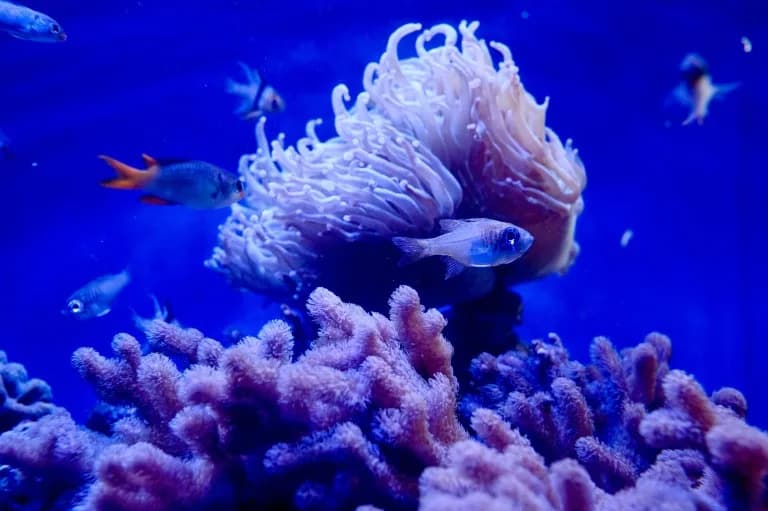
The port rebuild in Koror — a centre of Palau's tourism industry — has alarmed traditional chiefs, marine scientists and tour operators. An environmental impact assessment for the Malakal Harbour dredging predicts the loss of 4.26 hectares of coral and potential harm to endangered turtles, fish and dugongs. UNESCO has noted Koror's marine lakes, about two kilometres from the construction, as "natural laboratories" that host unique species and abundant coral.
"If we are pounding pilings and dredging coral, I have to imagine they are simply going to leave the neighbourhood," said biologist Ron Leidich, who monitors dugong herds at nearby Ngederrak Reef. He also expressed skepticism that construction pauses triggered by a dugong sighting would be realistic or effective.
Contractors plan to use underwater silt curtains to contain sediment, but scientists worry plumes could still reach sensitive lagoons. Public submissions to Palau's environment watchdog demanded stronger protections, independent monitoring and a larger remediation fund; Koror's state government has formally requested a higher damage-repair fund and independent environmental oversight.
Official Responses
Palau's President Surangel Whipps said the old port was "about to collapse" and welcomed an upgrade that could be used jointly for civilian benefit and defence. The US Joint Task Force–Micronesia said the project will expand Palau's commercial shipping capacity while enhancing US logistical options for regional defence.
As the islanders weigh economic and security arguments against environmental and existential concerns, many residents and scientists hope for clearer communication, stronger safeguards and guarantees that civilian welfare and fragile ecosystems will not be sacrificed. "The thought that all of these beautiful creatures and habitats could be compromised as superpowers slug it out for supremacy is sobering," Leidich said.
Help us improve.