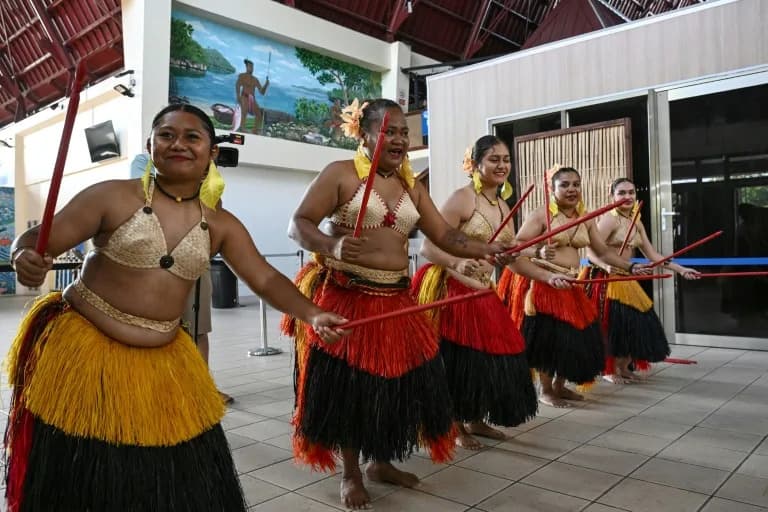
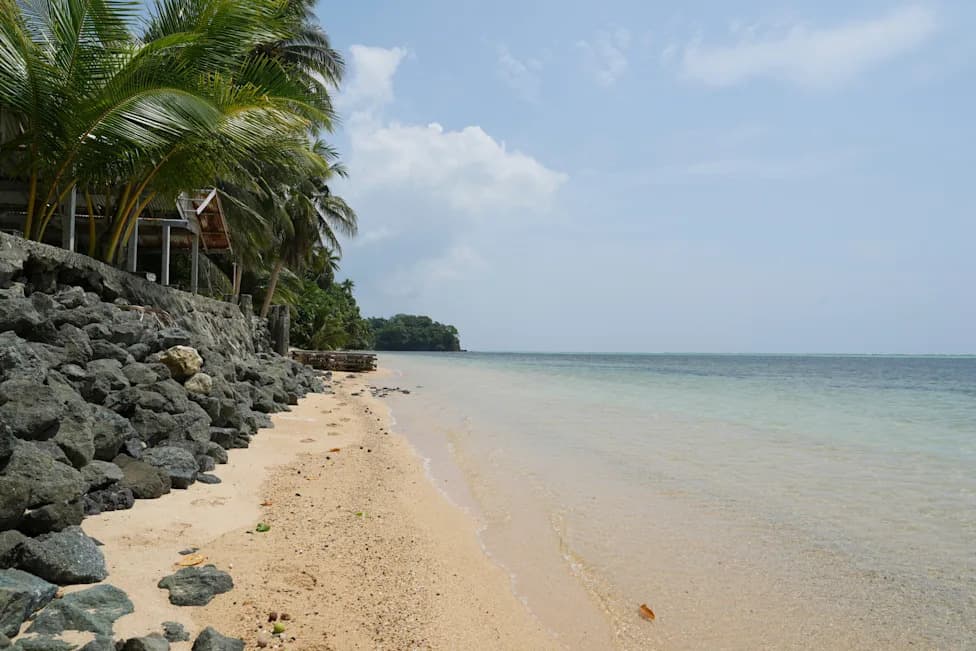
Several Pacific island nations — including Nauru, Papua New Guinea and Fiji — have moved to open embassies in Jerusalem, a shift experts attribute largely to strong Christian beliefs and Old Testament interpretations rather than purely strategic calculation. Samoa has announced plans to follow. While Israel gains symbolic diplomatic support, its material aid to the region has been modest compared with larger donors. The moves reflect a mix of religion, history and geopolitics rather than a single, transactional motive.
Faith and Foreign Policy: Why Pacific Nations Are Opening Embassies in Jerusalem
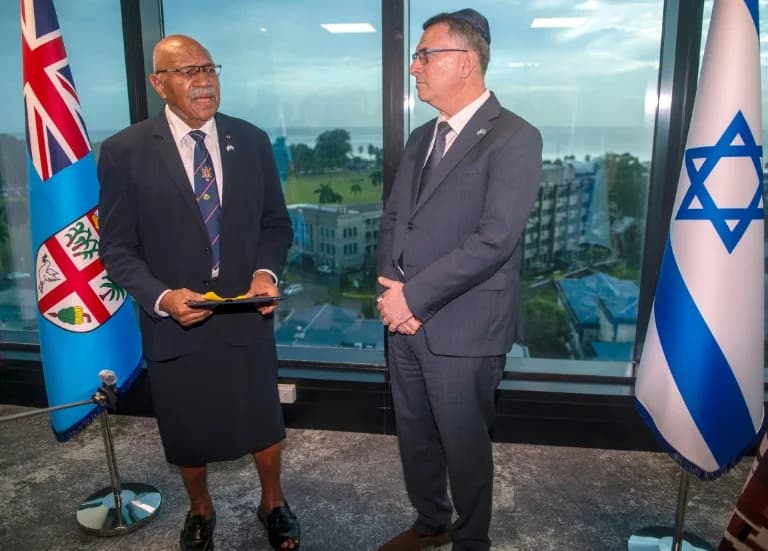
Fiji Prime Minister Sitiveni Rabuka speaks with Israeli Foreign Minister Gideon Sa'ar during an official ceremony at the new Israeli embassy in Suva earlier this year. (Leon Lord)
An enduring mix of religious conviction, historical missionary influence and strategic diplomacy helps explain why several Pacific island nations are recognising Jerusalem by opening embassies there. Experts and former diplomats tell AFP that faith — especially evangelical Christian beliefs rooted in 19th-century missionary activity — plays a major role alongside other political and diplomatic considerations.
Religious Conviction and Historical Ties
Many Pacific communities retain deeply held Christian beliefs, with some estimates suggesting around 90 percent of indigenous populations identify as Christian in parts of the region. For some leaders and communities, interpretations of Old Testament prophecy and the belief that Jewish people are "God's chosen people" create a moral or spiritual imperative to support Israel.
"Christianity is the biggest underlying factor," said former Fijian diplomat Salote Tagivakatini. "Their reading of the Bible and the idea of Jewish people as 'God's chosen people' obliges them to back Israel."
Anthropologists have documented striking cultural expressions of this affinity: in western Papua New Guinea, the Gogodala sing Hebrew hymns and raise Israeli flags at tribal ceremonies, and some groups in Papua New Guinea, the Solomon Islands and Fiji claim descent from the so-called "Lost Tribes of Israel." Religion and politics thus often overlap in the region, where several constitutions explicitly declare a Christian identity.
Which Nations Have Moved Their Embassies?
Tiny Nauru recently opened an embassy in Jerusalem, joining Papua New Guinea and Fiji — part of a small group of UN member-states that now maintain missions in the city. Samoa has announced plans to follow later this year. The international consensus that Jerusalem’s final status should be resolved through negotiation was disrupted in 2018 when the United States moved its embassy to Jerusalem; only a handful of countries have since taken similar steps.
What Do Pacific States—and Israel—Gain?
Observers say Israel benefits symbolically from endorsements by Pacific nations: such recognition helps normalise Israeli claims about Jerusalem on the world stage. International affairs expert Shannon Brincat observed that the symbolic value is significant even when material benefits are modest.
Data from the Lowy Institute indicates Israel has provided about US$2 million in aid and development assistance to the Pacific since 2015 — small compared with the hundreds of millions invested by major donors such as Australia and China. That has led some analysts to stress that for many Pacific leaders the relationship is not primarily transactional.
"Israel are the people of God to them. And there's this promise that God made to Israel," said Pacific security researcher Maima Koro. "It's not transactional. The connection is spiritual."
Geopolitics and Diplomatic Outreach
Beyond faith, history shows Pacific island states have long been courted by outside powers seeking diplomatic support. Examples include recognition battles over breakaway regions, competition between Beijing and Taipei for diplomatic recognition, and large donors engaging on development and strategic issues. These dynamics mean small island states can wield outsized influence in international forums.
At the same time, support for Israel in the region is not unanimous: small pro-Palestinian demonstrations have occurred during official visits to Fiji and elsewhere, and most countries continue to keep embassies in Tel Aviv pending a negotiated settlement over Jerusalem.
Ultimately, the Pacific decisions reflect a complex blend of faith, identity and international diplomacy — a reminder that domestic beliefs and global geopolitics often intersect in unexpected ways.
Help us improve.