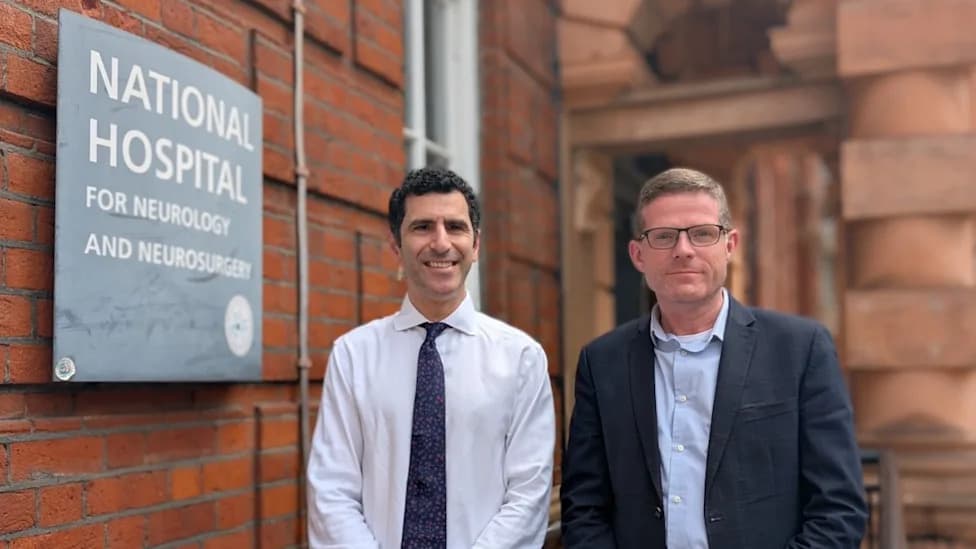
Consultant thoracic surgeon Sasha Stamenkovic demonstrated a lung tumour removal using the da Vinci 5 robotic system while training visiting surgeons. The platform translates console movements into multiple robotic arms and a 3D camera, offering finer control and potentially fewer complications. The government aims for robotic assistance in 9 of 10 keyhole procedures by 2035, but concerns remain about unequal access and inconsistent funding across the NHS.
Inside the NHS Push To Train the 'Surgeons of the Future' With Robotic Surgery
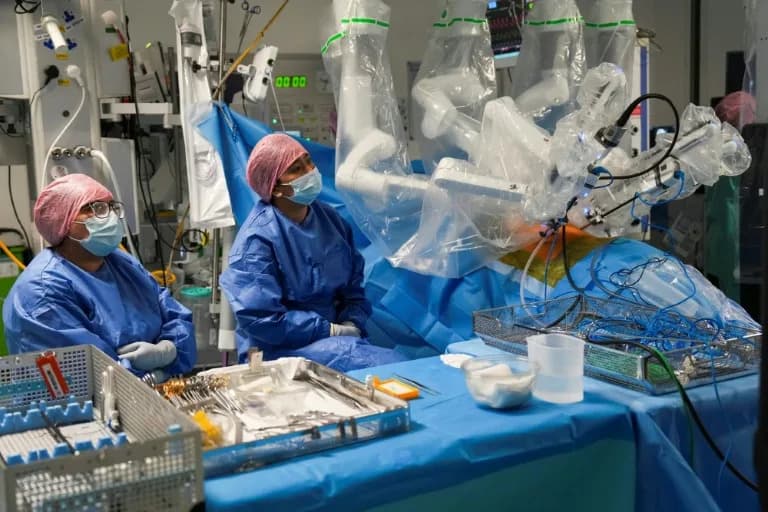
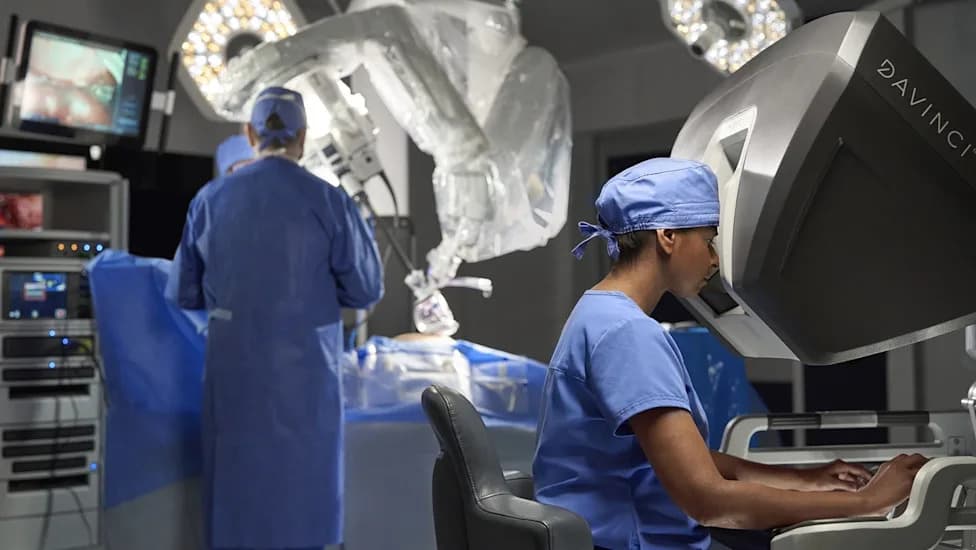
Sasha Stamenkovic showed fellow doctors how to use the Da Vinci 5 robotic-assisted surgical system (CARLOS JASSO)
Pulling back from an immersive 3D headset after operating deep inside a patient's lung, consultant thoracic surgeon Sasha Stamenkovic described the final stages of a tumour removal carried out with robotic assistance.
“We’ve done some very, very intricate operating today,” Stamenkovic said. “We’ve saved a lot of lung, we’ve gone around some really, really small vessels and really small airways.” He demonstrated the procedure to three visiting surgeons as St Bartholomew’s Hospital expands its robotic surgical programme.
How the System Works
Stamenkovic operated from a console at the side of the theatre. His hand movements were translated into the actions of three robotic arms holding surgical instruments while a fourth arm carried a high-resolution 3D camera that relayed a live feed to the surgeon and to screens in the room. The platform used was the da Vinci 5 robotic-assisted surgical system, produced by US firm Intuitive.
An 'Art Form' Reimagined
Although the setup looks futuristic, Stamenkovic argues robotic systems bring keyhole surgery closer to the dexterity of traditional open operations: the slim robotic instruments can manoeuvre in tight spaces and offer finer control than human hands alone. That precision can reduce complications such as air leaks, which commonly prolong hospital stays after lung surgery.
"Robotic surgery has brought you back to what surgeons wanted to do, which was to have an art form able to create something with their hands," Stamenkovic said.
Faster Recovery and System Benefits
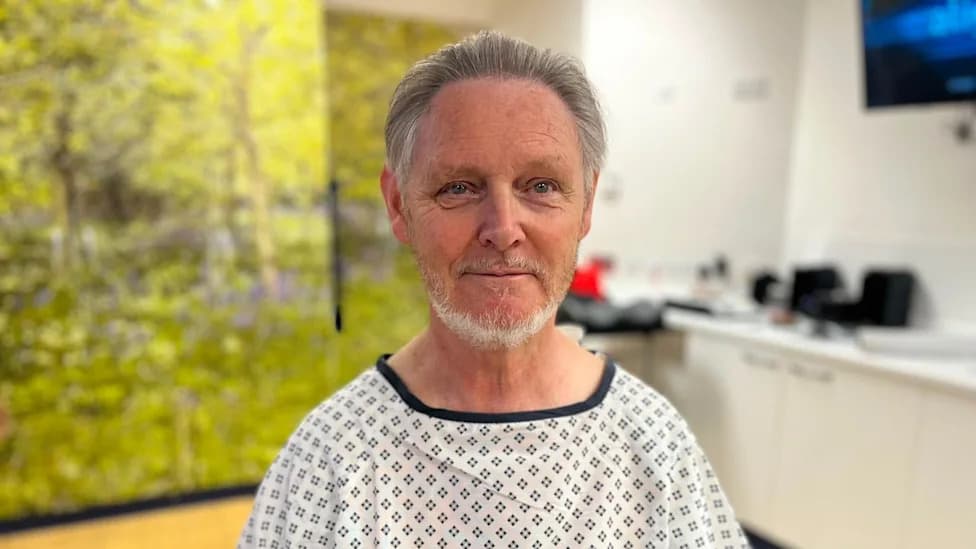
Smaller incisions and more precise dissection generally mean shorter hospital stays and faster recoveries. For an overstretched NHS, quicker discharges can free beds and help reduce waiting lists. Ian Macleod, a 76-year-old patient, said he was up within 30 minutes of returning to the ward, left hospital with a single stitch and was driving his wife less than a week later.
Training, Access and Funding
As director of robotic surgery and research at Barts Health NHS Trust, Stamenkovic runs fellowships at St Bartholomew’s to train surgeons and theatre staff, including nurses who act as robotic surgical first assistants. The government has set a target for robotic assistance to be used in 9 of 10 keyhole surgeries in England by 2035.
However, the Royal College of Surgeons has warned of a postcode lottery in access to robotic surgery and criticised the lack of a consistent funding model. Some hospitals have relied on charitable donations to buy systems, creating unequal access across the country.
Where Robotic Surgery Is Used
Robotic platforms are used across multiple specialties, including urology, gynaecology, colorectal, thoracic and abdominal/general surgery. Training programmes aim to harness younger surgeons’ technical fluency while ensuring safe, supervised adoption across the NHS.
Looking Ahead: The expansion of robotic surgery in the NHS promises greater precision and faster recovery for patients, but achieving equitable access and stable funding will be crucial to meet national targets and truly deliver the "surgeon of the future."
Help us improve.