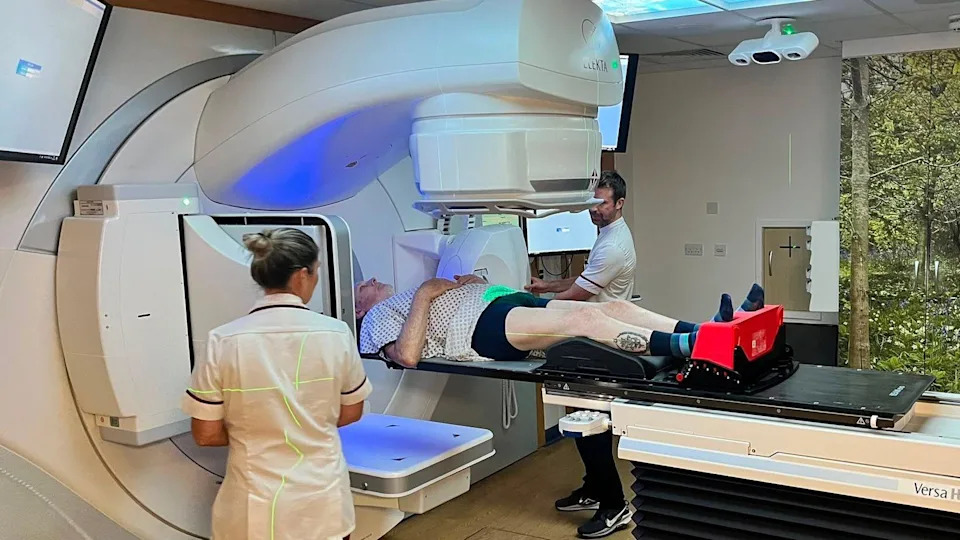
Torbay Hospital has treated its first local patient with SABR after NHS England approved a national rollout in June 2026. The precision radiotherapy technique reduces many prostate radiotherapy courses from about 20 sessions over four weeks to five sessions over roughly two weeks. Clinicians and Prostate Cancer UK say the change could cut travel, lower treatment burden and help eligible men with low or intermediate risk get back to everyday life more quickly.
Precision Radiotherapy a 'Huge Game-Changer' as SABR Rolls Out Nationally
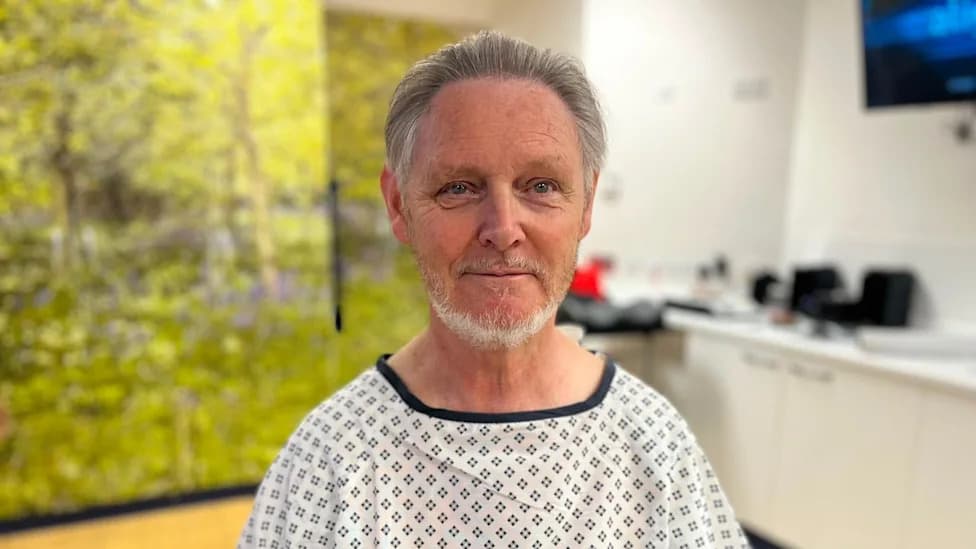
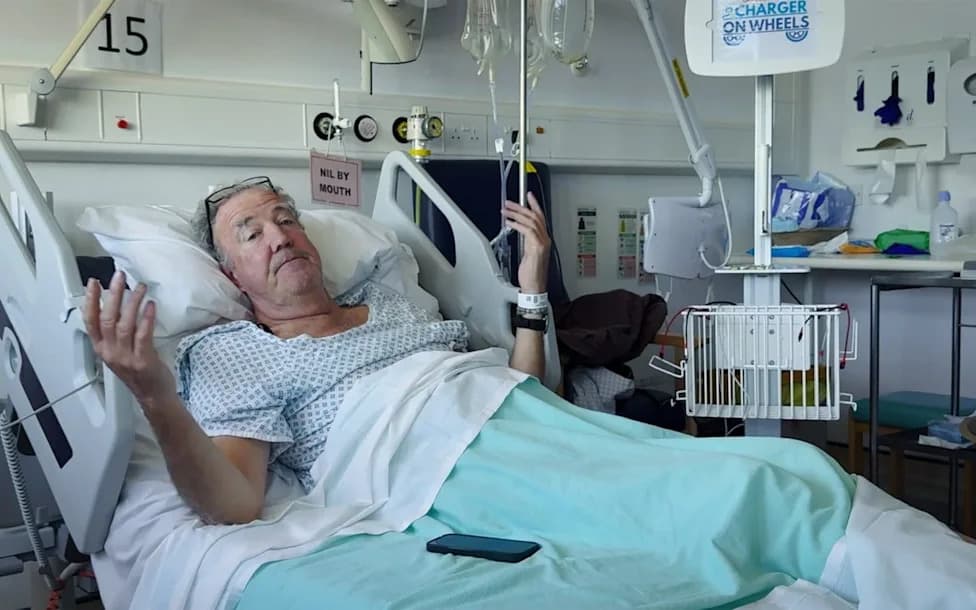
Stephen Dwyer-Lapthorne is the first man in Torbay and South Devon to receive the new treatment [BBC]
Advanced, high-powered precision radiotherapy has been hailed as a "huge game-changer" for prostate cancer patients in the South West by the charity Prostate Cancer UK.
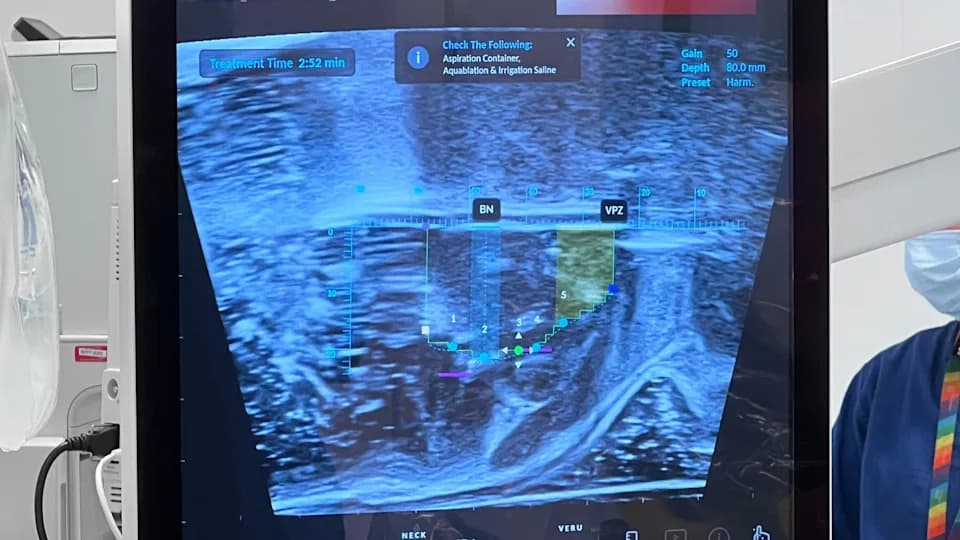
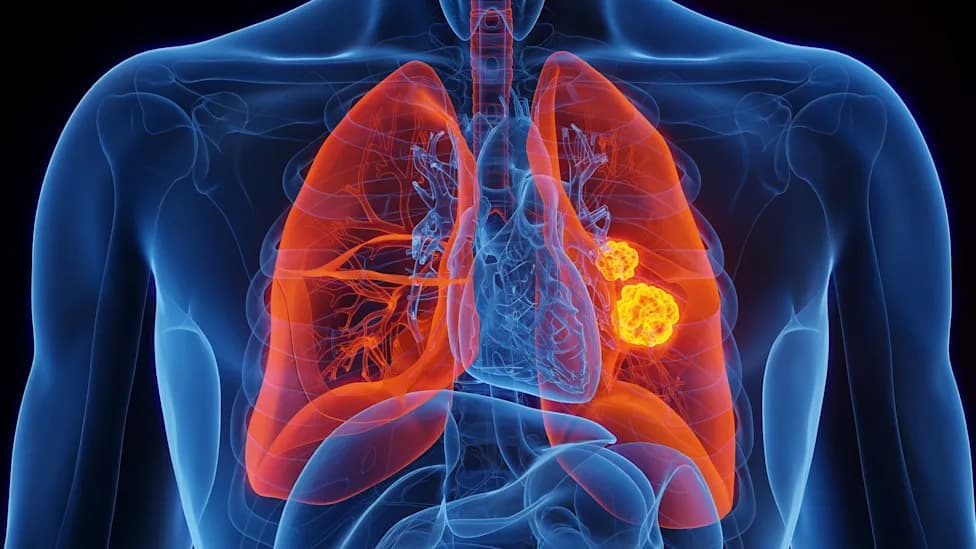
In June 2026, NHS England confirmed a national rollout of SABR (stereotactic ablative radiotherapy), saying the technique can target prostate disease more precisely than standard radiotherapy and may reduce treatment side-effects.
Torbay Hospital reported that Stephen Dwyer-Lapthorne became the first man in Torbay and South Devon to receive prostate SABR after a diagnosis of localised prostate cancer in October 2025.
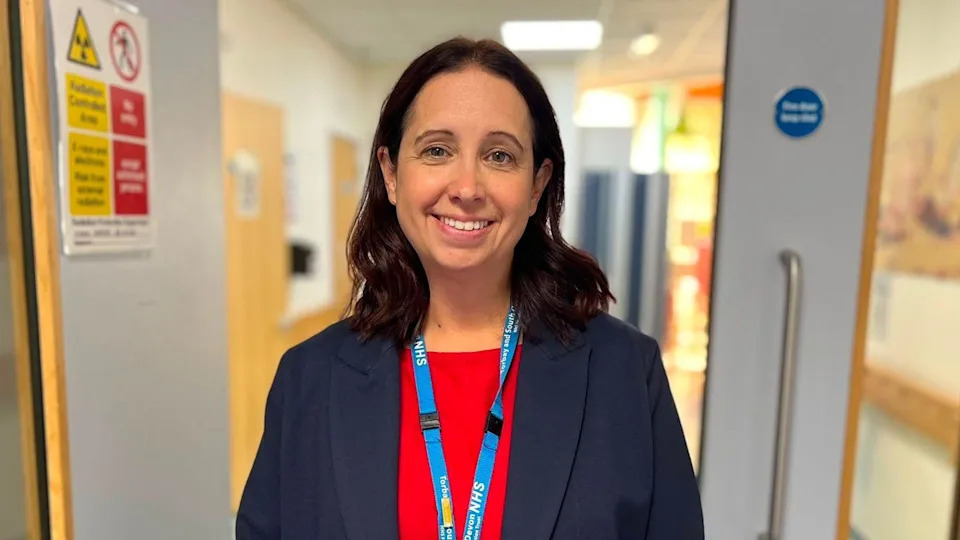
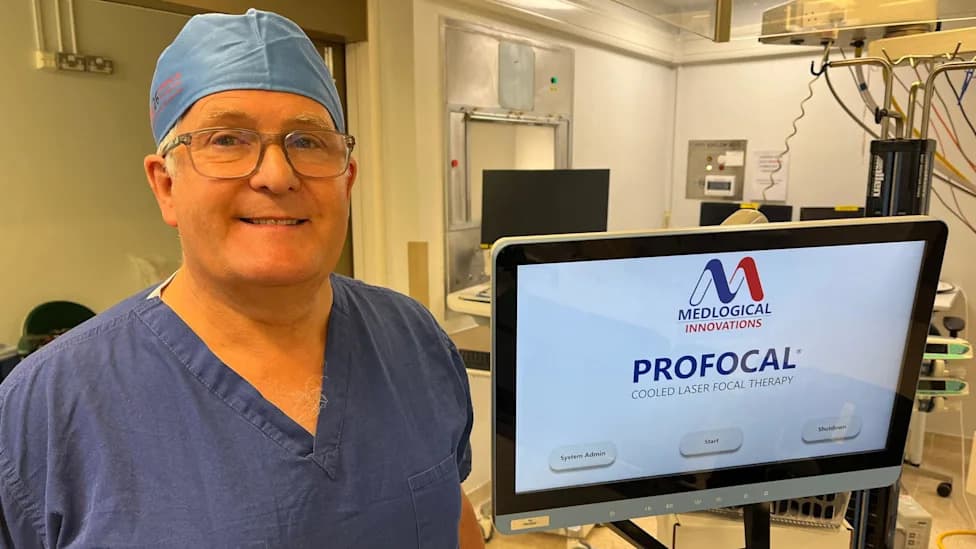
Naomi Hopkin, head of radiotherapy at Torbay, said they were "delighted" to deliver the treatment locally [BBC]
Shorter Course, Fewer Visits
Dwyer-Lapthorne welcomed the shorter treatment course and urged others to consider SABR if it is available:
"It's better to only have to do that five times as opposed to 20 times. It's all over much more quickly."
He said he had hoped for a shorter regimen and learned about SABR before treatment began. While preparing for a planning scan, an oncologist told him Torbay had commissioned SABR locally so he could receive the shorter course there. Nearing the end of his five planned sessions, he reported only mild fatigue so far but acknowledged some side-effects can appear later.
What Clinicians Say
Naomi Hopkins, Head of Radiotherapy at Torbay and South Devon NHS Foundation Trust, said the national rollout is "fantastic news for patients," allowing men with low or intermediate risk prostate cancer to access SABR closer to home.
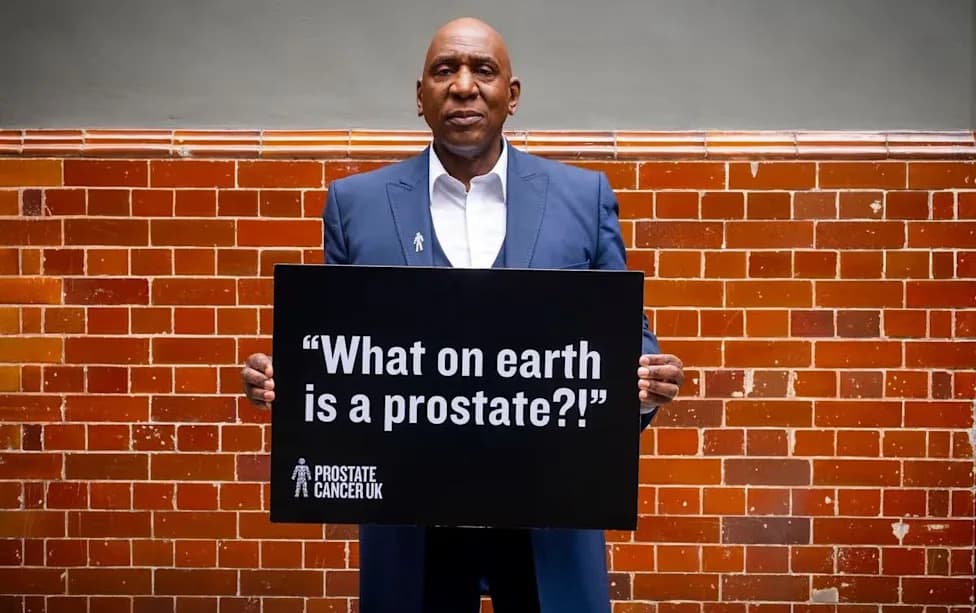
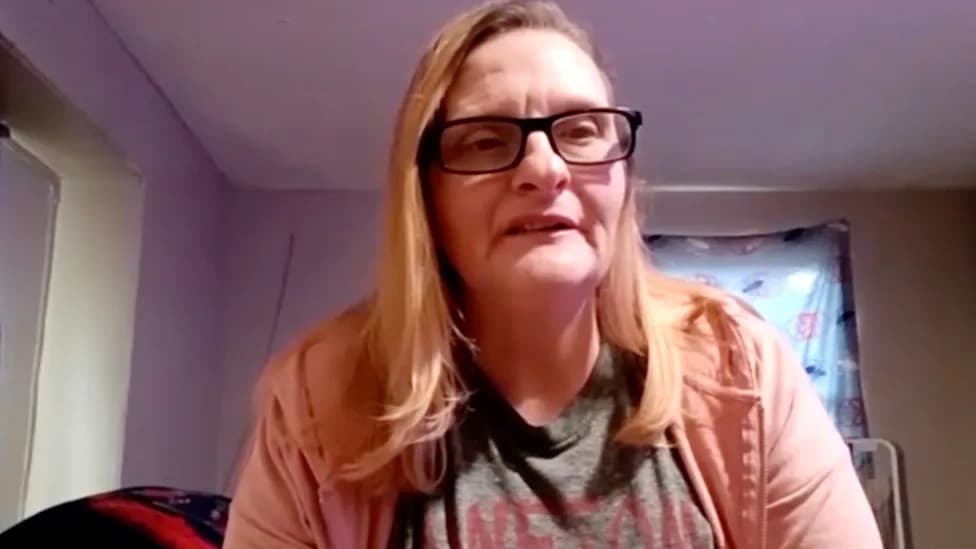
Meg Burgess from Prostate Cancer UK said the treatment would help people "get back to life as quickly as possible" [BBC]
"Patients are going through a difficult time having cancer treatment," Hopkins said. "Instead of attending perhaps 20 appointments, many can now come in for five shorter sessions, reducing travel and disruption to daily life."
Meg Burgess, a specialist nurse at Prostate Cancer UK, described the change as significant for both patients and the NHS: "This is a huge game-changer. Standard radiotherapy often involves about 20 doses across four weeks; SABR typically reduces that to five sessions over about two weeks, helping men recover and get back to life sooner."
Scope and Impact
Each year about 55,000 men in the UK are diagnosed with prostate cancer. Of those, around 17,500 are classified as low or intermediate risk and may be suitable for SABR, depending on individual clinical assessments. Delivering SABR locally can reduce travel time, hospital visits and pressures on radiotherapy services.
While SABR offers convenience and the potential for fewer side-effects, clinicians emphasise that suitability depends on individual circumstances and that patients should discuss risks and benefits with their oncology team.
Torbay Hospital's local delivery of SABR marks an early step in implementing the national programme, offering eligible patients a faster, more targeted option for prostate radiotherapy.
Help us improve.