The Liverpool School of Tropical Medicine has opened the £20m Liverpool Accelerate Laboratory, a robotic AI facility that will use human organoids to test vaccines and drugs. The CL3/Category 3 lab will handle pathogens such as salmonella and tuberculosis while reducing reliance on animal testing. It is expected to attract around £40m of investment in the first three years and will offer pilot studies for SMEs and start-ups.
LSTM Opens £20m Robotic AI Lab to Accelerate Infection Research Using Human Organoids
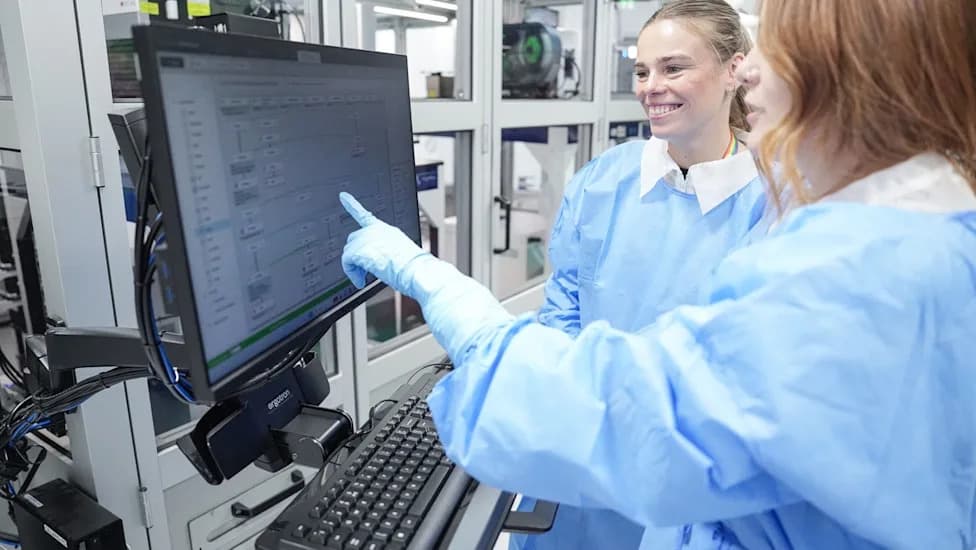
Researchers and companies will use human organoids
The Liverpool School of Tropical Medicine (LSTM) has launched the Liverpool Accelerate Laboratory, a £20m ($23.2m) robotic AI facility designed to speed up testing of drugs and vaccines against infectious diseases.
Purpose and Capabilities
The lab, developed with the LSTM-led iiCON: Infection Innovation Consortium and funded by the Liverpool City Region Combined Authority, will become operational next year. It is projected to attract about £40m in investment and create jobs in the region within its first three years.
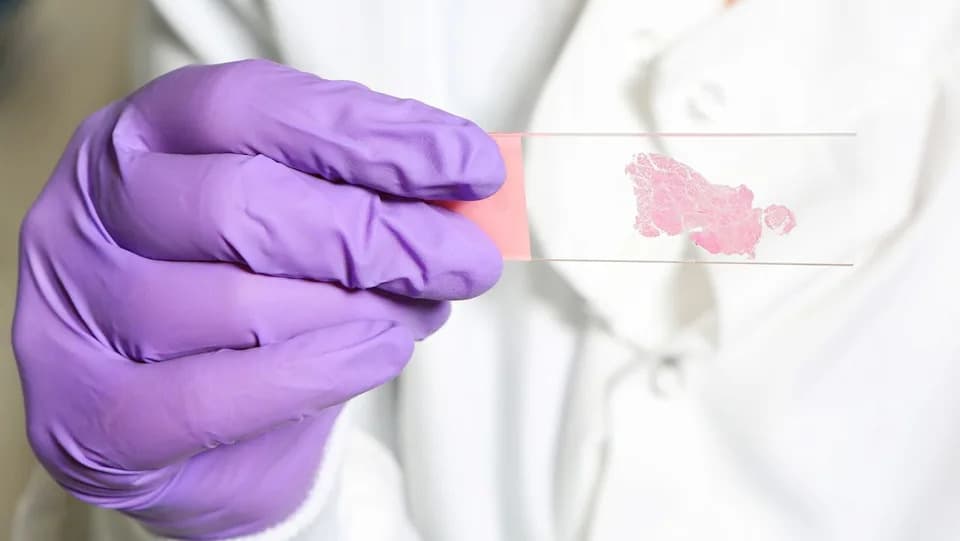
Researchers and commercial teams will use human organoids—three-dimensional tissue cultures grown in the lab—to evaluate how candidate treatments may behave in people, reducing the need for animal testing and supporting the UK Government's £75m roadmap toward human-relevant alternatives.
High-Security, Automated Research
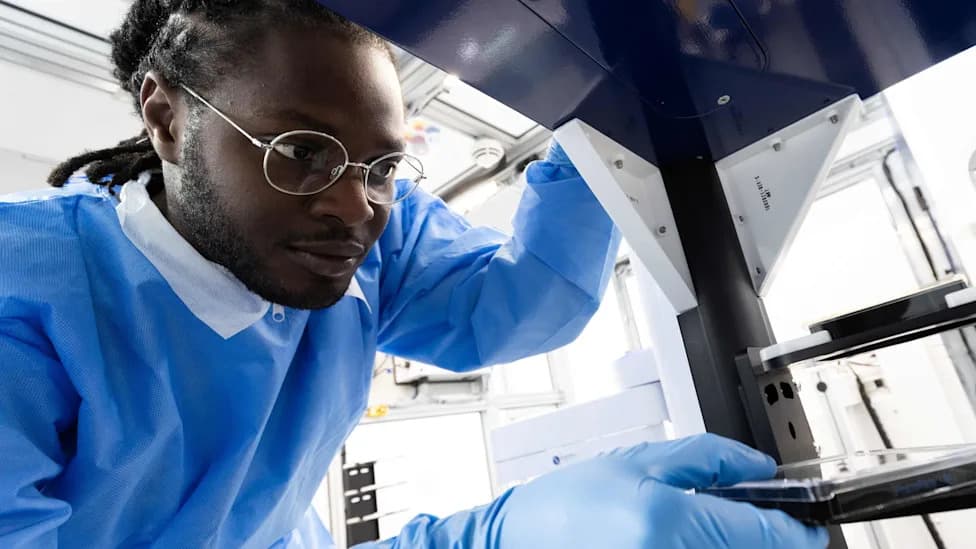
Work will be carried out in a Containment Level 3 (CL3) / Category 3 facility, allowing scientists to handle higher-risk pathogens such as salmonella and tuberculosis using automated robotics and AI-driven platforms. The steel-clad building has been designed to meet forthcoming changes to the Terrorism Act and other security requirements.
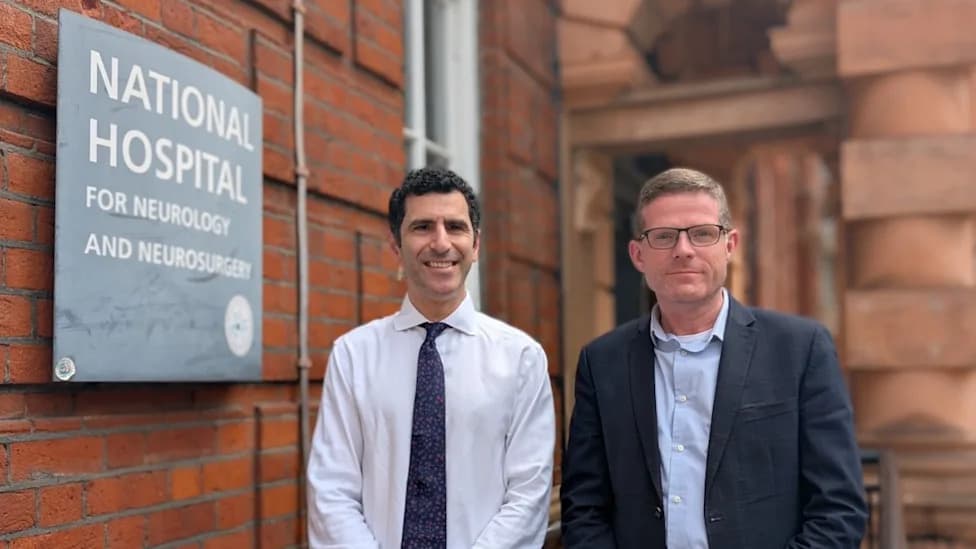
Professor Giancarlo Biagini, LSTM Pro Vice-Chancellor for Research and Innovation, said: "The Liverpool Accelerate Laboratory builds on years of pioneering organoid research and harnesses AI, machine learning and robotics to scale and speed the development of advanced human infection models while delivering precision and reproducibility."
Professor Janet Hemingway, founding director of iiCON, added that organoid-based research represents a cutting-edge shift in infection R&D, moving drug discovery away from animal testing and toward more targeted human-relevant models.
Access and Industry Support
The laboratory will be open to businesses of all sizes and will initially offer pilot studies aimed at small and medium-sized enterprises (SMEs) and start-ups developing new vaccines and therapeutics. Postdoctoral research staff, including Claire Caygill, are integrating the lab’s robotics and biological systems to prepare the facility for operation.
This initiative aims to accelerate translational research, shorten development timelines for promising treatments, and strengthen the regional life-sciences ecosystem.
Help us improve.