Rural communities face persistent shortages of clinicians and limited access to dementia care, creating "memory care deserts." The Northern Arizona Memory Study partnered with local senior centers to deliver screening tools, referrals and culturally informed digital solutions. Researchers recommend long-term community engagement, senior-center partnerships and programs built around local strengths to improve early detection and reduce dementia risk.
Senior Centers Can Close Memory Care Gaps in Rural America
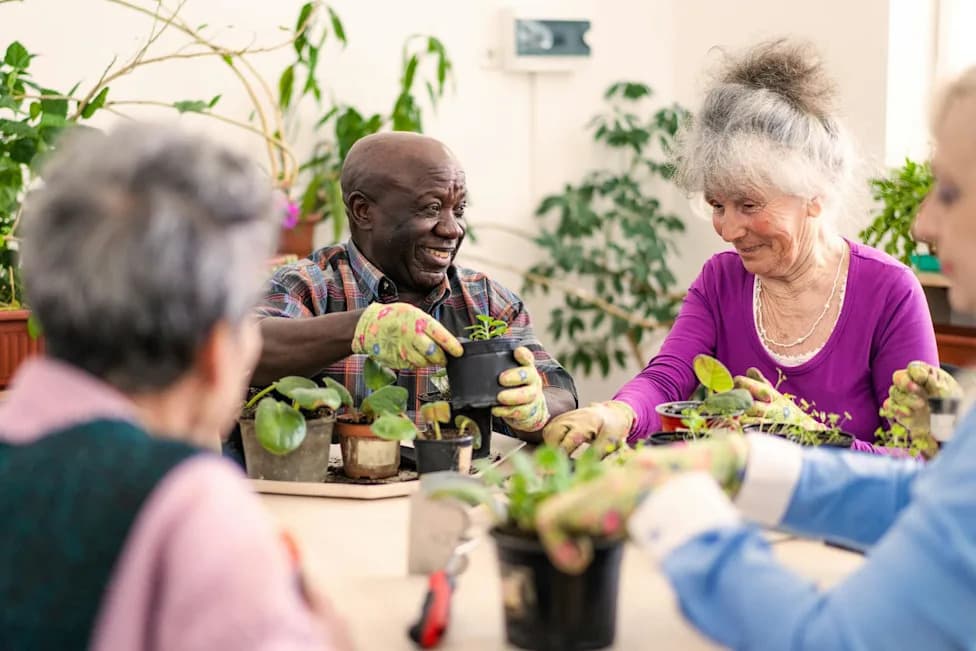
Senior centers are often vital community hubs for older adults.Vladimir Vladimirov/E+ via Getty Images
About 90 miles north of Phoenix, the small town of Yarnell sits along a winding mountain road. Phoenix, a metro area with more than 1.6 million residents, has roughly one physician for every 2,407 people. In contrast, Yarnell and other rural Arizona communities face far fewer clinicians—about one physician per 3,896 residents. Like many rural Americans, older adults in these towns confront major barriers to health care, especially for brain-related conditions.
Why This Matters
The U.S. Census Bureau projects the population aged 65 and older will grow by roughly 17 million between 2026 and 2050. That demographic shift is already contributing to a rapid rise in Alzheimer’s disease and related dementias. Today more than 7 million Americans live with dementia; research suggests this figure could exceed 13 million by 2060. Early detection of cognitive decline preserves quality of life, but access to screening, diagnosis and specialized care is uneven—particularly in rural areas.
Memory Care Deserts and Rural Barriers
Regions that lack specialized brain-health services are sometimes called memory care deserts. In these areas, people and families often do not know where to turn when cognitive problems appear. Rural communities face geographic isolation, financial strain and a shortage of specialists, which together create long delays to diagnosis and treatment. In our interviews and community roundtables across Northern Arizona, participants reported traveling more than two hours to reach the nearest primary care provider, and specialist visits could take an entire day.

Bringing digital health tools to residents in rural areas can improve early screening for dementia.Keeproll/E+ via Getty Images
Senior Centers as Community Hubs
A national network of roughly 11,000 senior centers serves over 1 million older adults, and about 43% of those centers operate in rural areas. For many older adults, senior centers are not only places for recreation but trusted hubs where staff know families and local context. That trust and local knowledge make senior centers ideal partners for public-health efforts to improve brain health.
As part of the Northern Arizona Memory Study, our team provided the Yarnell senior center with two free memory-screening tools. By learning the center’s culture and capacities, we built a sustained partnership that enabled timely referrals to memory clinics and connected residents to available resources.
Digital Tools: Promise and Limits
We use a community-based participatory research model to co-develop digital health tools tailored to rural older adults, caregivers and families. Digital technologies can support remote detection of cognitive changes, ongoing monitoring and caregiver support—especially where physical health infrastructure is sparse.
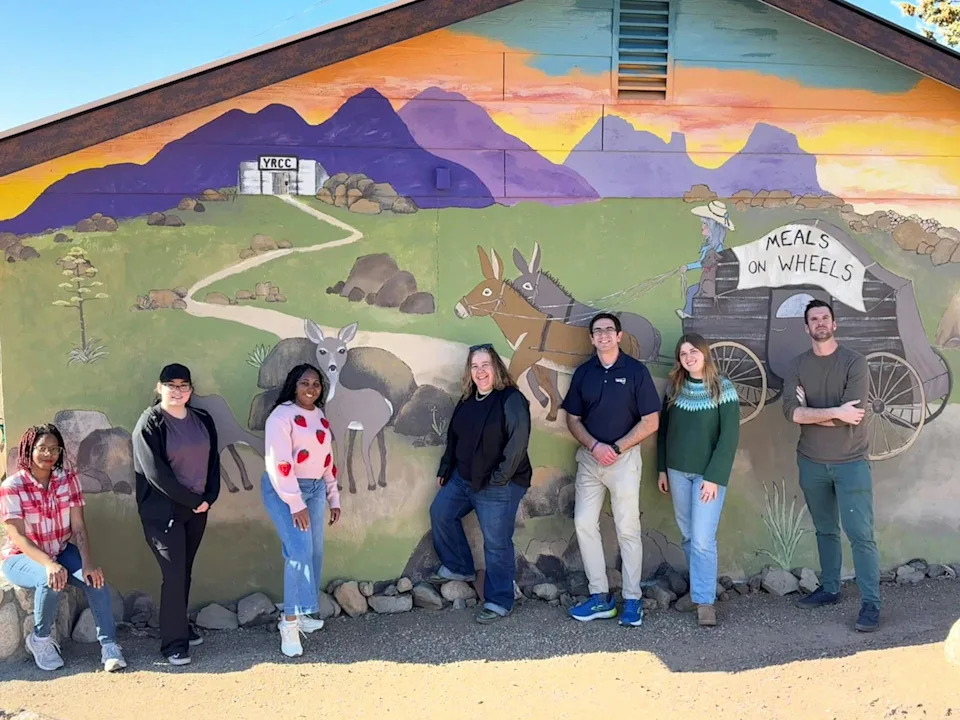
The Northern Arizona Memory Study research team in Yarnell, Ariz. Northern Arizona Memory Study Team,CC BY
However, telehealth and digital screening are constrained by unreliable internet and cellular service in many rural communities. Even when telehealth is embraced—"I've observed that the older we get… the narrower our world becomes," one participant said—connectivity problems can interrupt care.
Voices from Rural Families
"Growing up in the rural area, we don't have any resources here. We're just starting to get stuff."
Caregivers described everyday safety concerns—forgotten door locks, misplaced keys, confusion about the day of the week—and the stress of limited local supports. Both detected and undetected declines in brain health pose serious risks: untreated mild impairments can progress to Alzheimer’s disease and related dementias, and people with dementia in rural areas spend more days in nursing homes and have higher mortality compared with urban counterparts.
Practical Steps Forward
From our work with senior centers and community partners, including organizations serving sovereign tribal nations in the Southwest, we offer three practical strategies to reduce memory-care inequities in rural America:
- Build Long-Term, Trust-Based Relationships: Sustained engagement improves cultural competence and ensures programs are accepted and used.
- Partner Directly With Senior Centers: Bring screenings, education and referrals to trusted local hubs rather than relying solely on distant clinics.
- Design Community-Centered Solutions: Start with local strengths and barriers so programs are feasible, sustainable and reduce dementia risk.
Through collaborative efforts among researchers, healthcare providers and senior centers, resources can be allocated more equitably so individuals and families affected by cognitive impairment receive the support they need.
Note on authorship and funding: The Northern Arizona Memory Study involves researchers from Northern Arizona University and receives funding from the Arizona Alzheimer’s Consortium. Several authors are affiliated with Northern Arizona University and the NAU School of Social Work. The research team includes psychologists, social workers, graduate student researchers and public health experts; some team members serve in roles described in the study's disclosures.
Help us improve.