Two Indigenous Bolivian populations, the Tsimané and Mosetén, showed under 2% dementia prevalence at five-year follow-up in a study of 730 adults. Although 22 people developed dementia, mortality after diagnosis was high, and age plus the APOE ε4 allele remained the main risk factors. Many cases had vascular or parkinsonian features rather than classic Alzheimer’s, and researchers now aim to disentangle lifestyle, genetic and immune factors that might protect brain health.
Why Two Remote Bolivian Amazon Communities Have Exceptionally Low Dementia Rates
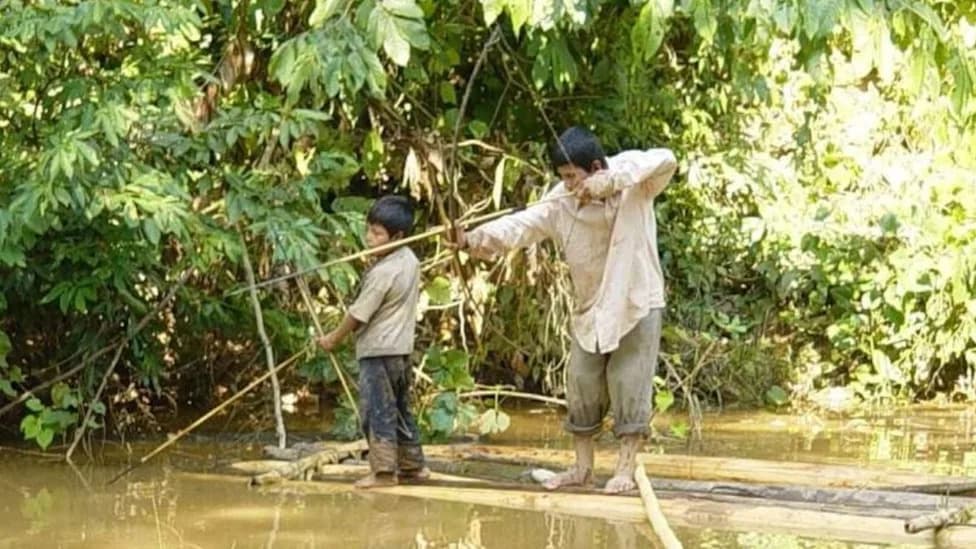
(Michael Gurven/UC Santa Barbara)
Researchers following older adults in two remote Indigenous Bolivian populations — the Tsimané and the Mosetén — have reported strikingly low dementia prevalence compared with high-income countries. A five-year longitudinal study tracked health outcomes and found fewer than 2% of participants met criteria for dementia at follow-up, prompting questions about protective factors in these traditional lifestyles.
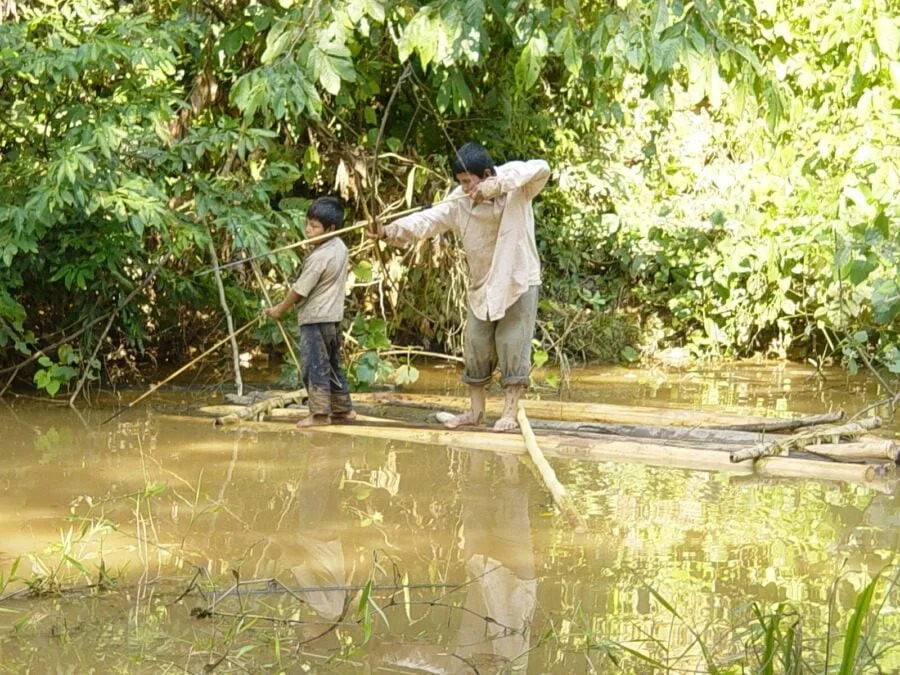
Tsimané people of lowland Bolivia have less food availability and must expend more effort to get it. (Michael Gurven/UC Santa Barbara)
Study Overview
The team followed 730 adults from Tsimané and Mosetén communities who were dementia-free at baseline. After five years, 22 individuals had developed dementia; some of those people had also died during the follow-up period. The observed incidence and prevalence were modestly lower than many U.S. and European studies, indicating that shorter survival after dementia onset does not fully explain the low rates.
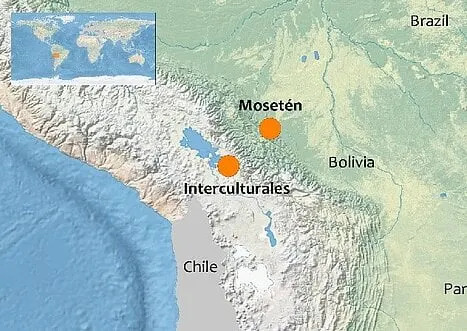
Location of the Mosetén population in Bolivia. (Max Planck Institute)
Who Are the Tsimané and Mosetén?
The Tsimané (≈17,000 people) live a physically demanding subsistence lifestyle — fishing, hunting and farming along an Amazon tributary, with limited access to electricity, treated water, sanitation and medications. The Mosetén (≈3,000 people) are related genetically and linguistically to the Tsimané but typically have greater Spanish fluency and somewhat better access to clean water, store-bought foods and health services.
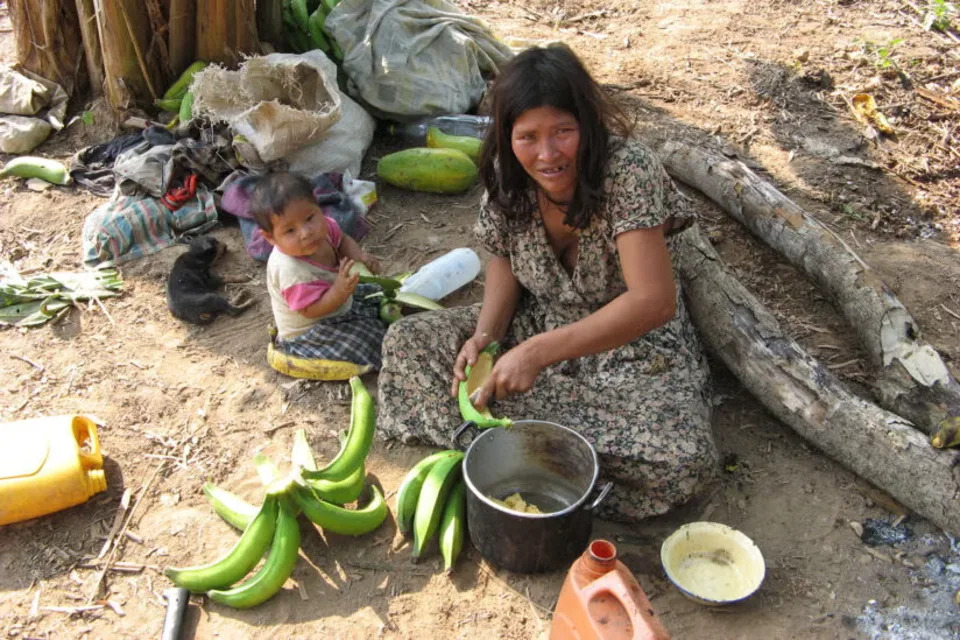
The Tsimané live much as they have for generations, offering researchers insights about the health benefits of a hunter-forager-farmer lifestyle. (Courtesy of Tsimané Health and Life History Project Team)
Key Findings
- Low Dementia Prevalence: Fewer than 2% of the cohort had dementia at five-year follow-up.
- Incident Cases: 22 of 730 participants developed dementia over five years.
- High Post-Diagnosis Mortality: People with dementia had more than six times the mortality risk of cognitively normal peers, and average survival after diagnosis was shorter than in the U.S.
- Risk Factors: Older age and possession of the apolipoprotein E (APOE) ε4 allele were the strongest predictors of incident dementia in these groups.
- Different Clinical Pattern: Many cases displayed parkinsonian signs and vascular features rather than the typical Alzheimer’s pattern on imaging and clinical profile.
- Biomarkers: Preliminary blood biomarker analyses indicated neurodegeneration and neuroinflammation among dementia cases; authors note these results are tentative and need further study.
Possible Explanations
The authors propose that a subsistence lifestyle — characterized by high physical activity, a high-fiber and low-saturated-fat diet, and lower prevalence of obesity, hypertension and diabetes — may reduce exposure to vascular risk factors linked to dementia. At the same time, these communities face a high infectious burden, limited antibiotic availability and low vaccination rates, factors that could increase neuroinflammatory risk, making the overall picture complex.
Limitations and Next Steps
Researchers caution that survival bias (shorter post-diagnosis survival) accounts for some of the low prevalence but not all. The predominance of vascular or parkinsonian features and the preliminary nature of biomarker data mean additional longitudinal follow-up, imaging, and genetic and immunologic studies are needed to disentangle contributions of lifestyle, genetics, diet, social engagement, physical activity and immune exposures.
'Our next step is to disentangle the relative contributions of genetics, lifestyle, diet, social engagement, physical activity and immune exposures to dementia risk,' says Ben Trumble, an evolutionary anthropologist involved in the study.
The study was published in the journal Alzheimer's & Dementia. If protective factors can be identified and their biological mechanisms clarified, they may inform new prevention strategies in higher-income settings.
Help us improve.