The University of Arizona paper argues that age-related shifts from hippocampal, episodic memory toward frontal-cortex, semantic memory may reflect an adaptive reorganization rather than simple decline. The authors compile human and animal studies and point to selective neural strengthening and energy-saving mechanisms that support a functional re-tuning in later life. They note implications for distinguishing healthy aging from disease (for example, Alzheimer’s) and call for longitudinal studies to test this adaptive-aging hypothesis.
Aging Brains May Be Optimizing, Not Declining — New Paper Argues

(Hill Street Studios/Digital Vision/Getty Images)
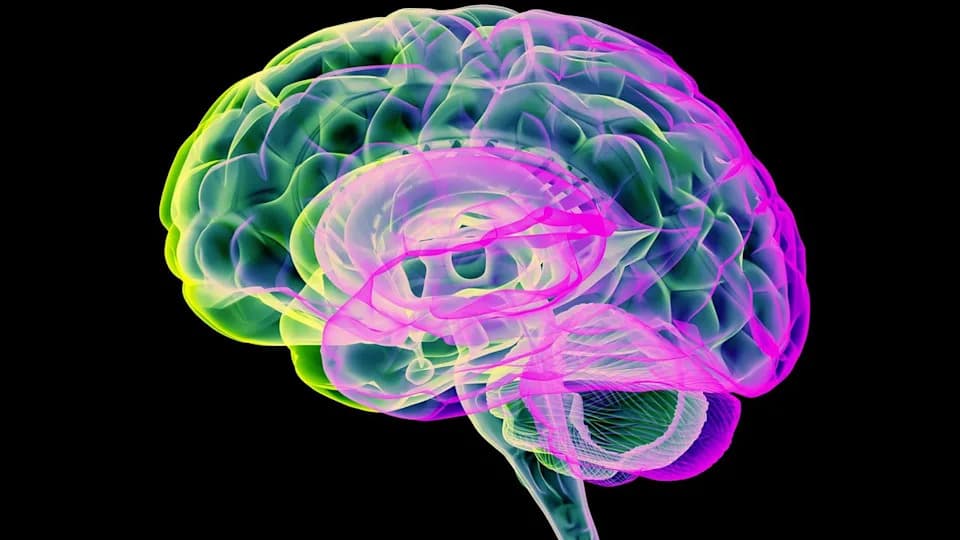
As people age, the ability to recall specific events and details — episodic memory, strongly linked to the hippocampus — often weakens. At the same time, older adults frequently rely more on semantic memory and frontal-cortex networks that store general knowledge, patterns, and the gist of past experience.
Researchers at the University of Arizona, writing in Perspectives on Psychological Science, argue that this shift should not be seen only as a compensatory response to neural wear-and-tear. Instead, they propose an adaptive-aging hypothesis: a deliberate, evolutionarily conserved reorganization of memory systems that optimizes the priorities of later life.

The brain may have evolved to share knowledge rather than retain it in later life. (Isaac Quesada/Unsplash)
What the Paper Proposes
"Prevailing theories of cognitive aging depict late life as a period of compensatory decline — an effort to preserve performance despite progressive neural deterioration. We propose instead that aging represents a continuation of development: a genetically conserved, adaptive reorganization of memory systems that parallels the brain's earlier-life transitions."
The authors synthesize human and animal research to support this perspective. They note that comparable shifts between memory systems occur across the lifespan — for example, early-life reorganization during childhood proceeds in the opposite direction — and argue that later-life changes may be part of a broader, ongoing developmental program.
Evidence and Mechanisms
Key points the paper highlights include:
YouTube Thumbnail
- The hippocampus is metabolically demanding; reallocating reliance toward frontal, semantic systems could conserve energy.
- Some white-matter tracts and cortical connections actually strengthen in older adults, indicating selective re-tuning rather than uniform decline.
- Animal studies show parallel patterns: older rats rely more on familiar cues, and older female African elephants act as repositories of social knowledge, suggesting memory-system reorganization may be common among long-lived, social species.
Implications For Disease and Research
The authors stress that their paper does not present new experimental data but reinterprets existing findings to build an alternative framework. This reframing has practical implications: distinguishing adaptive, normative changes from the pathological signs of conditions like Alzheimer’s could improve diagnosis and treatment.
For example, early Alzheimer's disease can involve hippocampal hyperactivity; if healthy aging normally reduces hippocampal dependence, disease-related disruptions might interfere with that beneficial shift. The next step the authors recommend is longitudinal research that follows individuals over time to directly observe whether memory-system reallocation occurs and how it relates to cognitive outcomes.
Psychologist Fabian-Xosé Fernandez sums up the perspective: "If we look at normative aging as a story of just decline, we are really missing the boat. The older brain is optimized for different things than the younger brain, predominantly the sharing of stored expertise and social relationships."
Overall, the adaptive-aging hypothesis encourages a more nuanced view of the aging brain — one that recognizes selective strengths and reorganization, not only losses.
Help us improve.